That first whisper of possibility—maybe you're late, maybe you feel different—starts a rollercoaster of anticipation. Before a test confirms it, your body often drops subtle (and sometimes not-so-subtle) hints. Understanding these positive signs of pregnancy in the first trimester isn't just about symptom-spotting; it's about connecting with the incredible process beginning inside you. It helps you distinguish normal changes from concerns that need a doctor's attention.
Let's be clear: every pregnancy is unique. My friend Lisa felt only intense fatigue, while I was battling nausea before I even missed a period. There's no universal checklist, but there are common themes. This guide walks you through them, week by week, with practical insights you won't find in a standard pamphlet.
What You’ll Find in This Guide
How to Distinguish Normal Pregnancy Fatigue from Exhaustion?
This isn't your regular "I need a coffee" tired. Early pregnancy fatigue hits like a wall. It's profound, often starting around week 5 or 6. You might find yourself struggling to stay awake at your desk by 2 PM or needing a nap just to make it to dinner.
Why does this happen? Your body is building a placenta—a brand new organ—and your progesterone levels are skyrocketing. Progesterone is a central nervous system depressant. Think of it as nature's sedative, ensuring your body conserves energy for the monumental task at hand.
The Key Difference Between Tired and Pregnancy-Fatigued
Normal exhaustion often improves with rest. Early pregnancy fatigue can feel relentless, even after a full night's sleep. A common mistake is fighting it with caffeine. While moderate intake is generally considered safe, over-reliance can mask your body's signal to slow down. Listen to it. If you can, sneak in a 20-minute power nap. Delegate tasks. Go to bed an hour earlier. This fatigue usually eases up as you enter the second trimester.
When Does Morning Sickness Start and How to Cope?
"Morning" sickness is a misnomer. For many, it's an all-day affair. It typically rears its head between weeks 6 and 8, peaking around week 9. The smell of coffee, perfume, or even your partner's cooking might suddenly become unbearable.
The cause? Rising levels of the pregnancy hormone hCG (human chorionic gonadotropin). Higher hCG levels often correlate with stronger nausea, which is ironically a positive sign of a robust pregnancy. But that's little comfort when you're hovering over the toilet.
Practical, Non-Medication Strategies That Actually Work
Forget just eating crackers. That's surface-level advice. The real trick is to never let your stomach get completely empty. An empty stomach churns acid, making nausea worse. Keep bland, easy-to-digest snacks by your bed—plain biscuits, a banana. Eat a few bites before you even sit up.
Protein is your friend. A small handful of almonds or a spoonful of peanut butter can stabilize your blood sugar better than carbs alone. Sip fluids constantly—water, ginger tea, electrolyte popsicles. If smells trigger you, carry a small vial of lemon or peppermint essential oil to sniff. For persistent cases, the American College of Obstetricians and Gynecologists (ACOG) considers Vitamin B6 (10-25 mg every 8 hours) and the antihistamine doxylamine a safe and effective first-line treatment. Always talk to your provider before starting any supplement.
Other Key First Trimester Pregnancy Symptoms
Beyond the headline acts, your body stages a whole ensemble of changes.
Breast Tenderness: This can be one of the very first signs, as early as 1-2 weeks after conception. It's more than PMS tenderness; it's a pronounced fullness, sensitivity, and tingling. Veins may become more visible, and areolas often darken and enlarge.
Frequent Urination: Blame it on increased blood flow to your pelvic area and the pregnancy hormone hCG. Your kidneys become more efficient, processing more fluid into your bladder. This starts around week 6 and, contrary to popular belief, doesn't let up until the baby drops later in pregnancy.
Food Aversions & Cravings: That sudden hatred for your once-favorite food is real. It's likely another protective mechanism steering you away from potential toxins. Cravings might be for specific textures (crunchy, creamy) or flavors (salty, sour).
Heightened Sense of Smell: Another superpower you didn't ask for. This hyperosmia is thought to be evolutionary, helping you avoid spoiled food or harmful substances.
Mild Cramping & Spotting: This one causes a lot of anxiety. Around the time of your missed period, you might experience light spotting (implantation bleeding) and mild cramping as the embryo burrows into the uterine lining. It's usually lighter and shorter than a period. However, any bleeding with severe pain warrants an immediate call to your doctor.
Your First Trimester Symptom Timeline & Tracker
Here’s a rough week-by-week map of when common positive signs tend to appear. Remember, this is a guide, not a prophecy.
| Weeks | Most Likely Signs to Appear | What's Happening & Notes |
|---|---|---|
| Weeks 3-4 | Implantation spotting/cramping, breast tenderness begins. | Fertilization and implantation occur. A pregnancy test may show a very faint positive at the end of week 4. |
| Weeks 5-6 | Fatigue sets in, frequent urination begins, nausea may start, heightened smell. | hCG levels are rising rapidly. The placenta begins to form. First ultrasound often scheduled around week 6-8. |
| Weeks 7-9 | Nausea often peaks, food avravings intensify, breast changes continue, bloating. | This is often the peak of first-trimester discomfort. The embryo's major organs are forming. |
| Weeks 10-12 | Nausea may start to ease for some, fatigue persists, visible uterine growth begins. | The placenta takes over more hormone production. Risk of miscarriage decreases significantly after week 12. |
A Crucial Note on Symptom Intensity: The absence or mildness of symptoms does NOT mean your pregnancy is less viable. Some women sail through the first trimester with minimal discomfort and have perfectly healthy pregnancies. Comparing your experience to others is a sure path to unnecessary worry.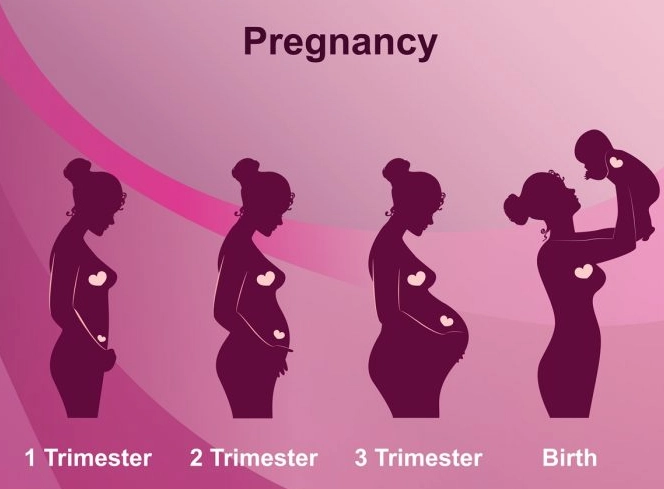
Why Your Symptoms Might Come and Go
This causes more panic than almost anything else. You've had steady nausea for weeks, then one morning you wake up feeling... normal. The mind races to the worst conclusion.
Take a breath. Fluctuations are completely normal. Hormone levels don't rise in a straight line; they can have plateaus and surges. Your body is also adapting. A day of feeling good is not a red flag. It's usually only a concern if all symptoms disappear abruptly very early on (before 8-9 weeks) accompanied by bleeding. Otherwise, enjoy the reprieve. It doesn't mean anything is wrong.
When should you call your healthcare provider? Trust your instincts, but here are clear guidelines: severe abdominal pain, heavy bleeding (soaking a pad in an hour), severe dizziness or fainting, or if you are unable to keep any food or liquids down for 24 hours (signs of hyperemesis gravidarum).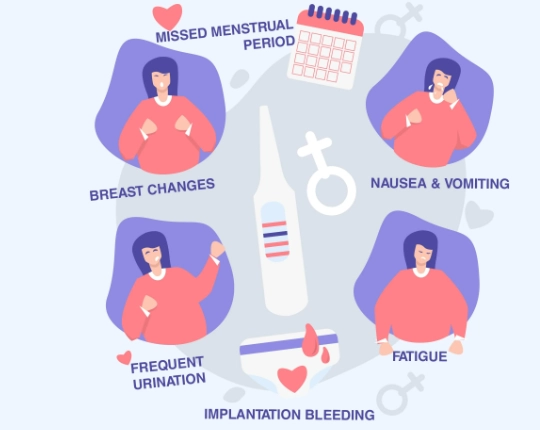
Your Top First Trimester Questions Answered
Navigating the first trimester is a blend of wonder, worry, and waiting. These positive signs, as uncomfortable as they can be, are signals that profound changes are underway. Track them, understand them, but don't let them define your entire experience. Listen to your body, communicate with your care provider, and know that this unique phase is the first step in an incredible journey.
Reader Comments