Let's clear this up right at the start. When you search for the "best 1st month pregnancy medicine," you're probably picturing a prescription bottle from your doctor. But here's the reality that often gets buried under marketing and generic advice: the single most critical, non-negotiable "medicine" for the first month of pregnancy is a specific vitamin—folic acid. Not a fancy cocktail of herbs, not an obscure supplement, but plain, proven, essential folic acid. By the time many women confirm their pregnancy, the first month—when the baby's neural tube is forming—is already happening or has passed. That's why this isn't just a recommendation; it's a foundational step.
Your Quick Guide to First Month Supplements
What is the Most Important "Medicine" in the First Month?
Folic acid. Full stop. I've worked with hundreds of expecting mothers, and the anxiety I see around this simple point is immense. The neural tube, which becomes your baby's brain and spinal cord, develops within the first 28 days of pregnancy—often before you've even missed a period. A deficiency in folic acid during this window significantly increases the risk of serious birth defects like spina bifida.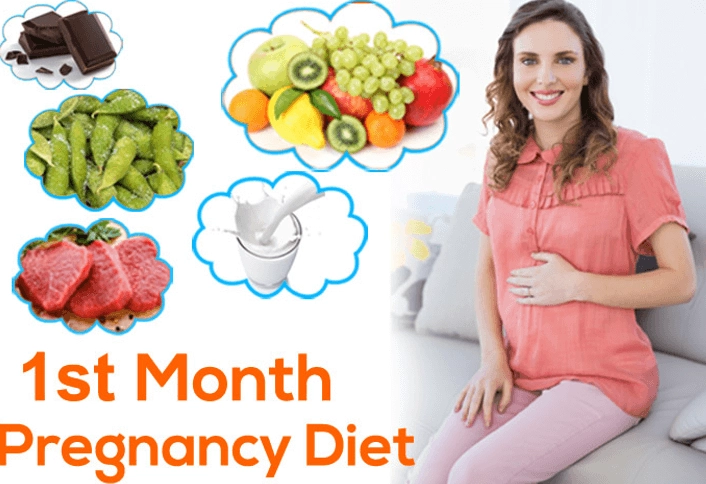
The Crucial Numbers: The Centers for Disease Control and Prevention (CDC) and the American College of Obstetricians and Gynecologists (ACOG) are crystal clear: all women of childbearing age should consume 400 to 800 micrograms (mcg) of folic acid daily. If you're already pregnant and haven't been taking it, start immediately. Don't wait for your first appointment.
Where do you get it? The most reliable way is a prenatal vitamin. Look for one that contains at least 600-800 mcg of folic acid (listed as folate or folic acid on the label). Some women opt for methylfolate, an active form that can be easier for some bodies to use, but the consensus for most is that standard folic acid is perfectly effective and recommended. Food sources like leafy greens, lentils, and fortified cereals help, but they're nearly impossible to rely on for the consistent, high dose you need during this critical time.
What Else Belongs in Your First-Trimester Toolkit?
Okay, folic acid is the undisputed champion of month one. But your prenatal vitamin should be a team player. Here’s what the rest of the starting lineup looks like, and why each one matters, especially when early pregnancy symptoms hit.
| Nutrient | Why It's Key in the First Month/Trimester | What to Look For |
|---|---|---|
| Iron | Your blood volume is starting to skyrocket to support the placenta. Fatigue? It might not just be hormones—it could be low iron. Early supplementation helps build reserves. | Around 27 mg. If it causes constipation (common), you may need a gentler form like ferrous bisglycinate. |
| Vitamin D | Critical for immune function and bone development for both you and baby. Many people are deficient even before pregnancy. | At least 600 IU (15 mcg), but many OBs now recommend 1000-2000 IU daily. Check your prenatal's dose. |
| DHA (an Omega-3) | Supports the incredible development of the baby's brain and eyes, which begins incredibly early. | 200-300 mg. Some prenatals include it; if not, a separate supplement is wise. |
| Vitamin B6 | This is your first-line defense against morning sickness. It's not a cure-all, but studies and my client experience show it can take the edge off. | Often included in prenatals. For nausea, a dose of 10-25 mg, 2-3 times a day is sometimes recommended (check with your doctor). |
Notice what's not on this must-have list? Exotic herbs, massive doses of vitamin C, or special "first month" blends. The basics, consistently taken, outperform the exotic every time. A client of mine once spent a fortune on a "boutique" prenatal packed with unusual ingredients but only had 200 mcg of folic acid. We switched her to a reputable drug-store brand with the right folic acid dose, and her anxiety levels dropped immediately. The fancy packaging didn't matter; the right science did.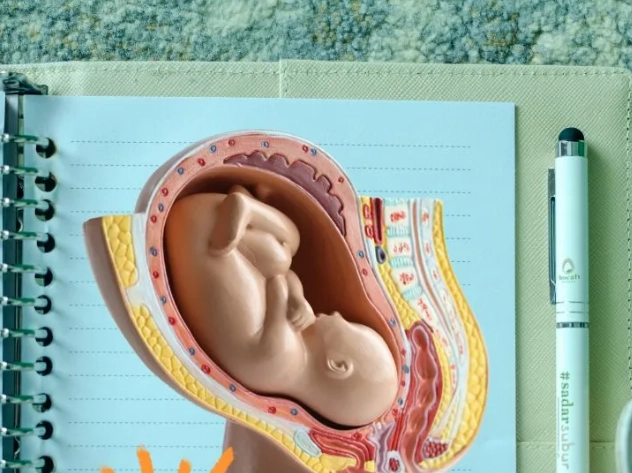
How to Choose and Take Your First Trimester Supplements
Walking down the pharmacy aisle is overwhelming. Gummies, capsules, powders, organic, non-GMO… how do you pick? Let's simplify it with a few decision points.
1. The Form Factor: Pill vs. Gummy vs. Liquid
Pills/Capsules: Most common and usually contain the most complete profile, including iron (which gummies often lack). If you struggle to swallow them, try taking them with a cold drink or a spoonful of applesauce.
Gummies: Easier to take and can help if you have pill aversion. Major caveat: They almost never contain iron, and the nutrient levels can be less precise. You might need a separate iron supplement.
Powders/Liquids: Great for severe nausea or if you have digestive issues absorbing pills. You can mix them into a smoothie.
2. Timing and Tricks for the Queasy Stomach
This is where many plans fall apart. You start taking your prenatal, it makes you nauseous, so you stop. Vicious cycle.
Try taking it at night, right before bed, with a small snack like crackers. You sleep through the worst of any stomach upset. If iron is the culprit, ask your doctor about switching to a slow-release or gentler form. Don't just quit—problem-solve.
Non-Negotiable Rule: Always, always run any supplement—even "natural" or herbal ones—by your doctor or midwife. Something like vitamin A in high doses (like in some liver supplements or acne medications) can be harmful in early pregnancy. Your healthcare provider needs the full picture.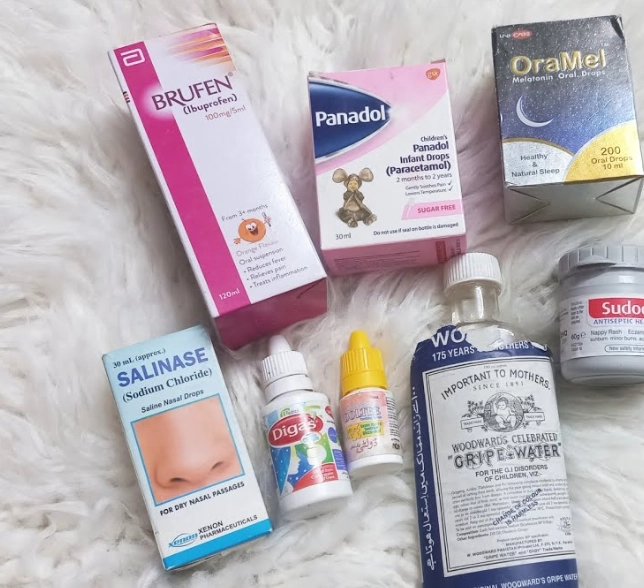
The Subtle Mistake Almost Everyone Makes (And How to Avoid It)
Here's the insider perspective you won't get from a basic listicle. The biggest mistake isn't picking the wrong brand. It's treating your prenatal vitamin as a substitute for medical care.
Let me explain. Prenatal vitamins are a safety net, a foundational support. They are not a treatment for underlying conditions like thyroid issues, severe anemia, or a history of neural tube defects. In those cases, your doctor might prescribe a specific, therapeutic-dose supplement (like 4 mg of folic acid, which is ten times the standard dose). If you just grab an over-the-counter prenatal, you're missing critical, personalized care.
The other subtle error? Obsessing over the "perfect" prenatal to the point of stress. If you have one with adequate folic acid, iron, vitamin D, and DHA, you're 95% there. Don't let the pursuit of the elusive 100% perfect pill rob you of peace during these early weeks. Consistency with a good-enough vitamin is far better than inconsistency with the "perfect" one.
Reader Comments