Your Journey at a Glance
- The Big Picture: Breaking Down the Trimesters
- The First Trimester (Weeks 1-12): The Foundation
- The Second Trimester (Weeks 13-27): The "Honeymoon" Phase
- The Third Trimester (Weeks 28-40+): The Final Countdown
- Essential Health & Wellness Tips for the Whole Journey
- Common Questions & Concerns (FAQs)
- Preparing for the Big Day: Labor & Delivery
- Embracing the Journey
Let's be real for a second. Finding out you're pregnant is a whirlwind. Excitement, nerves, a million questions—it all hits at once. And suddenly, you're supposed to be an expert on this whole pregnancy period thing. But where do you even start? The internet is a jungle of conflicting advice, old wives' tales, and scary stories. I remember when my sister was pregnant, she spent hours falling down rabbit holes, more confused than when she started.
That's why I wanted to put this together. Think of it as your no-nonsense, week-by-week companion. We're going to walk through the entire journey, from that first missed period to the final countdown. No fluff, just the practical stuff you actually need to know, mixed with a healthy dose of reassurance. Because let's face it, growing a human is pretty incredible, but it's also a marathon, not a sprint.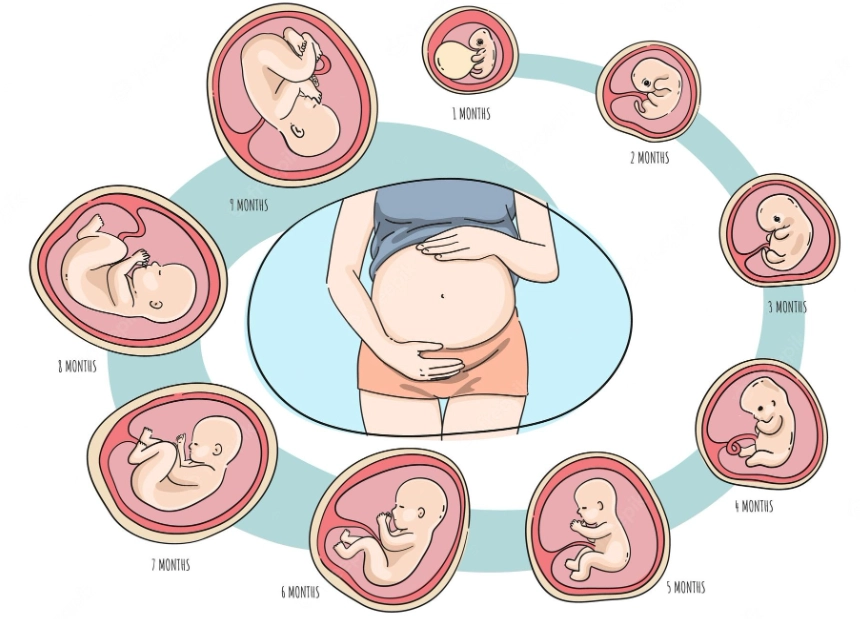
The Big Picture: Breaking Down the Trimesters
Before we dive into the weekly details, it helps to understand the chunk of the whole pregnancy period. Doctors and midwives break it down into three "trimesters," each lasting about three months. Each one has its own distinct vibe and challenges.
The First Trimester (Weeks 1-12): The Foundation
Okay, this is where it all begins, and honestly, it can be the toughest part for a lot of women. You might not look pregnant yet, but your body is working overtime. Hormones are surging, and that can lead to some... interesting side effects.
What's Happening with Your Body?
Fatigue is real. I'm talking about a tiredness that coffee can't touch. Then there's the infamous morning sickness (which, let's be honest, can strike at any time of day). Breast tenderness, mood swings that feel like you're on a rollercoaster, and frequent trips to the bathroom become your new normal. It's a lot.
Heads up: Don't panic if you don't have severe symptoms. Every pregnancy is different. Some women have terrible nausea; others feel perfectly fine. Neither is "wrong."
What's Happening with the Baby?
It's mind-blowing. In just these first 12 weeks, your baby goes from a single fertilized cell to a fully formed, tiny human. Major organs like the heart, brain, and lungs start developing. By the end of the first trimester, they have little arms and legs with fingers and toes. They're about the size of a lime!
Your First Trimester Checklist
- Schedule your first prenatal appointment. This usually happens around week 8. They'll confirm the pregnancy, run some initial tests, and answer your burning questions.
- Start taking prenatal vitamins. Folic acid is crucial right now for preventing neural tube defects. Don't wait.
- Re-evaluate your diet. This is the time to cut out alcohol completely and limit caffeine. Start thinking about pregnancy-safe foods.
- Listen to your body. If you're exhausted, rest. Your body is doing the most important work it will ever do.
The Second Trimester (Weeks 13-27): The "Honeymoon" Phase
Many women breathe a sigh of relief when they hit the second trimester. For a lot of us, the nausea starts to fade, energy levels creep back up, and you start to actually look pregnant instead of just feeling bloated. This is often called the "golden period" of the pregnancy period.
Hello, Baby Bump!
You'll likely start showing, which makes it feel much more real. And then comes one of the most magical moments: feeling the first flutters of movement. At first, it feels like gas bubbles or a little goldfish swimming around. Soon, those will turn into unmistakable kicks and rolls.
Key Developments and Your Mid-Pregnancy Scan
The baby is growing rapidly. They're practicing breathing motions, their senses are developing, and they can even hear your voice now. Around weeks 18-22, you'll have the anatomy scan. This detailed ultrasound checks on the baby's growth and development. It's also often when you can find out the sex, if you choose to.
| Milestone | Approximate Week | What's Happening |
|---|---|---|
| First Movements Felt ("Quickening") | 16-22 weeks | Feels like flutters or bubbles. |
| Anatomy Scan | 18-22 weeks | Detailed check of baby's organs and growth. |
| Baby Can Hear | Around 18 weeks | Start talking and singing to your bump! |
| Eyelashes and Eyebrows Form | Around 22 weeks | Those cute features are coming in. |
The Third Trimester (Weeks 28-40+): The Final Countdown
You're in the home stretch! The excitement (and impatience) builds, but so can the physical discomfort. Your belly is large and in charge, which can lead to back pain, heartburn, and trouble finding a comfortable sleeping position. Braxton Hicks "practice" contractions might start.
Preparing for Birth
This trimester is all about preparation—both physically and mentally. Your prenatal appointments will become more frequent (every two weeks, then weekly). Your healthcare provider will check the baby's position and discuss your birth preferences.
Your Third Trimester To-Do List
- Finalize your birth plan. Think about your preferences for pain management, who you want in the room, etc. Remember, flexibility is key!
- Take a childbirth education class. Knowledge is power. Understanding the stages of labor can help reduce fear.
- Get your hospital bag packed. Don't wait until your water breaks at 3 AM. Have it ready by week 36.
- Install the car seat. Most hospitals won't let you leave without it properly installed.
- Rest as much as possible. Seriously. Store up your energy.
When Will the Baby Come?
A "full-term" pregnancy is between 39 and 40+6 weeks. Only about 5% of babies arrive on their exact due date—most come a bit before or after. Don't stress if you go past your date; your provider will monitor you closely. The end of the pregnancy period is a unique mix of discomfort and eager anticipation.
Essential Health & Wellness Tips for the Whole Journey
Navigating the pregnancy period is about more than just tracking weeks. It's about caring for yourself and your growing baby.
Nutrition: Eating for Two (Wisely)
You don't need to "eat for two" in terms of calories, but you do need to eat for two in terms of nutrients. Focus on:
- Protein: Essential for baby's growth. Think lean meats, beans, lentils, eggs.
- Iron: Prevents anemia. Found in spinach, red meat, fortified cereals.
- Calcium: For baby's bones. Dairy, fortified plant milks, leafy greens.
- Folic Acid: Crucial in early pregnancy. Continue with leafy greens, citrus, and your prenatal vitamin.
Foods to Avoid: Steer clear of raw or undercooked meat/fish, unpasteurized dairy, deli meats unless heated, and high-mercury fish like shark or swordfish.
Exercise & Staying Active
Unless your doctor advises otherwise, staying active is hugely beneficial. It boosts mood, improves sleep, and can help with labor. Good options include walking, swimming, prenatal yoga, and modified strength training. Listen to your body and avoid high-impact or contact sports.
Mental Health Matters
Pregnancy is an emotional journey. It's normal to feel anxious, overwhelmed, or have mood swings. Don't bottle it up. Talk to your partner, friends, or healthcare provider. Prenatal depression and anxiety are real and treatable. Seeking help is a sign of strength, not weakness.
Common Questions & Concerns (FAQs)
Here are answers to some of the most frequent questions I hear about the pregnancy period.
Is it normal to have spotting in early pregnancy?
Light spotting can occur around the time your period would have been due (implantation bleeding) or after sex or an exam due to a sensitive cervix. While it can be normal, always report any bleeding to your healthcare provider immediately so they can check everything is okay.
Can I travel while pregnant?
Generally, the second trimester is the safest and most comfortable time for travel. Always check with your doctor first, especially for long trips or flights. Avoid travel to areas with Zika virus or other health advisories. Stay hydrated and move around frequently on long journeys.
How much weight should I gain?
This depends on your pre-pregnancy BMI. On average:
- Underweight (BMI < 18.5): 28-40 lbs
- Normal weight (BMI 18.5-24.9): 25-35 lbs
- Overweight (BMI 25-29.9): 15-25 lbs
- Obese (BMI ≥ 30): 11-20 lbs
Your doctor will give you personalized guidance. The focus should be on healthy nutrition, not the number on the scale.
What about sex during pregnancy?
In a normal, low-risk pregnancy, sex is generally safe throughout. It won't hurt the baby. You may need to get creative with positions as your belly grows. Libido can fluctuate wildly due to hormones and fatigue. Communicate openly with your partner. If you have any complications like placenta previa, your doctor will advise you to avoid intercourse.
Preparing for the Big Day: Labor & Delivery
As the pregnancy period draws to a close, thoughts naturally turn to birth. Feeling prepared can ease anxiety.
Signs of Labor
Know the difference between "false alarms" and the real deal:
- Braxton Hicks: Irregular, don't get stronger or closer together, often ease with movement or hydration.
- True Labor Contractions: Come at regular intervals, get progressively longer, stronger, and closer together. They don't stop with rest.
- Other Signs: Your "water breaking" (a gush or trickle of fluid), losing your mucus plug (a bloody show), a sudden burst of energy ("nesting"), or diarrhea.
When in doubt, call your provider.
Creating Your Birth Plan
A birth plan is a wish list, not a contract. It helps your care team understand your preferences. Consider:
- Who you want in the room (partner, doula, family).
- Pain management preferences (natural techniques, epidural, etc.).
- Positions you'd like to try during labor.
- Preferences for immediate skin-to-skin contact and delayed cord clamping.
Remember, the ultimate goal is a healthy mom and baby. Flexibility is key.
Embracing the Journey
The pregnancy period is a profound, transformative time. It's a mix of beautiful moments, challenging days, and immense personal growth. There is no "perfect" way to do it. Trust your body, trust your instincts, and build a support system of loved ones and trusted medical professionals.
Give yourself grace. Some days you'll feel like a glowing goddess of life; other days you'll feel huge and uncomfortable and just want your body back. Both are completely valid. This journey is preparing you for the incredible adventure of parenthood that lies ahead. Breathe, take it one week at a time, and remember—you've got this.
Reader Comments