That moment of wondering—"Could I be pregnant?"—triggers a unique mix of excitement, anxiety, and a frantic search for answers. Your body might be sending signals, but how do you decode them? The internet is flooded with lists of 20 possible symptoms, which often leads to more confusion than clarity.
Having spoken with hundreds of women over the years, I've found that focusing on the core, most reliable indicators cuts through the noise. While experiences vary, three early signs of pregnancy consistently rise to the top as the most common and telling. We're not talking about obscure cravings or a strange metallic taste (those might come later). We're talking about the foundational shifts your body makes in those first few weeks.
Let's strip away the guesswork and look at the evidence-based, most frequent heralds of pregnancy.
What You'll Find Inside
1. The Unmistakable Sign: A Missed Period
Let's start with the big one. For most women with regular cycles, a missed menstrual period is the single most prominent early pregnancy symptom that prompts taking a test. It's not just a late period; it's the absence of your expected flow.
Here's what's happening biologically: After a fertilized egg implants in the uterine lining, your body starts producing the hormone human chorionic gonadotropin (hCG). This hormone signals the corpus luteum (the structure left behind after ovulation) to keep producing progesterone. Progesterone's job is to maintain the uterine lining. Normally, if pregnancy doesn't occur, progesterone levels drop, the lining sheds, and you get your period. hCG halts that process entirely.
But here's the nuance everyone misses: A "missed period" isn't always a clean, obvious line in the sand. If your cycles are irregular, pinpointing a "miss" is harder. Some women experience what's called implantation bleeding—light spotting that happens as the embryo attaches to the uterus, roughly 10-14 days after conception. This is often lighter and shorter than a regular period and can be mistaken for one, leading to confusion about dates later on.
2. Beyond Morning Sickness: Understanding Pregnancy Nausea
Nausea, with or without vomiting, is famously dubbed "morning sickness," but that term is a bit of a misnomer. It can strike at any time—morning, noon, or night. This symptom typically rears its head between weeks 4 and 6 of pregnancy and peaks around week 9.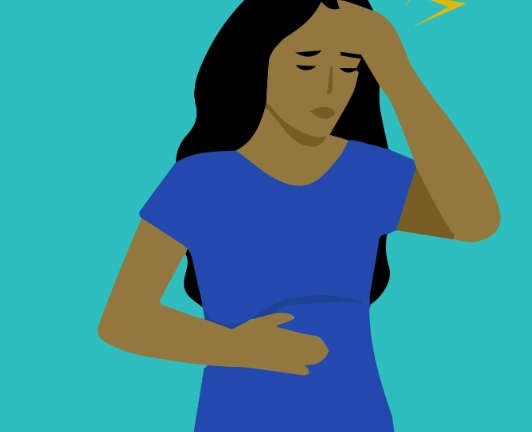
The exact cause isn't fully pinned down, but it's strongly linked to rapidly rising levels of hCG and estrogen. An enhanced sense of smell often accompanies it, turning previously neutral odors (like coffee, perfume, or cooking meat) into potent nausea triggers.
I remember a client, Sarah, who was convinced she had a stomach bug because her nausea was worst in the evenings. She didn't connect it to pregnancy for another week because she'd only ever heard the "morning" part of the story.
Let's break down what this nausea often feels like, compared to other common causes:
| Feature | Pregnancy Nausea | Stomach Bug/Food Poisoning |
|---|---|---|
| Onset | Gradual, persistent over days/weeks. | Sudden, often intense within hours. |
| Pattern | Can be constant or wave-like; not confined to morning. | Often relentless until the bug passes. |
| Associated Symptoms | Fatigue, breast tenderness, heightened smell. | Fever, diarrhea, body aches, chills. |
| Triggers | Often specific smells or an empty stomach. | Not typically smell-related. |
Not everyone gets it. About 70-80% of pregnant people do. Its absence doesn't mean something is wrong.
3. More Than Tenderness: Early Breast Changes in Pregnancy
This is one of the very first physical changes many women notice, sometimes as early as one to two weeks after conception. It's more profound than typical premenstrual breast soreness.
The surge in hormones (estrogen and progesterone) triggers a rapid increase in blood flow and begins the preparations for milk production. What does this translate to?
Soreness, heaviness, and sensitivity that makes even a gentle hug or sleeping on your stomach uncomfortable. Tingling or prickling sensations. The areolas (the darker skin around the nipples) may begin to darken and enlarge. You might notice small bumps on the areolas becoming more prominent (these are Montgomery's tubercles, oil-producing glands that lubricate the nipple).
The veins on your breasts might also look more visible or bluish due to increased blood supply.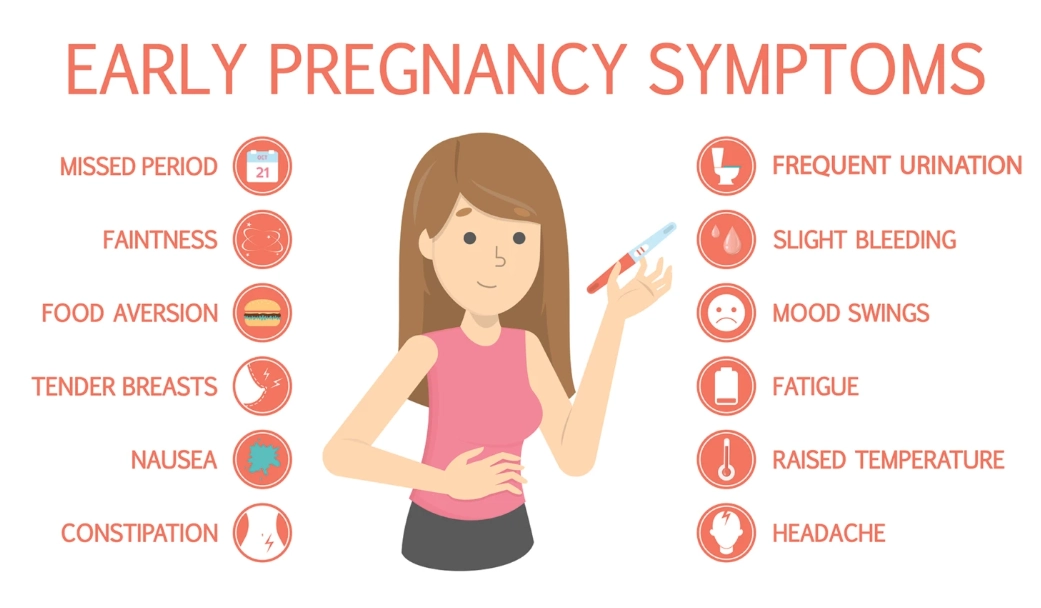
Why is this a top sign? While breast tenderness is common before a period, the combination of pronounced soreness plus these visual changes (darkening areolas, visible veins) that persist beyond your expected period date is a much stronger indicator of pregnancy.
I Think I'm Pregnant: What to Do Next
You've ticked one or more of these boxes. Your mind is racing. Here's a calm, step-by-step approach.
First, take a home pregnancy test. For the most accurate result, wait until the first day of your missed period. Use your first morning urine, as it's most concentrated with hCG. Follow the instructions precisely—yes, that means timing it and not checking an hour later. Modern tests are highly accurate when used correctly.
If it's positive, schedule an appointment with your doctor or a midwife. They will confirm the pregnancy with a blood test (which measures the exact amount of hCG) and a pelvic exam. This initial visit is for confirmation and to start planning your prenatal care.
If it's negative but your period still doesn't arrive and symptoms persist, wait 3-5 days and test again. You may have ovulated later than you thought, meaning you tested too early. If you still get negatives after a week with no period, see your healthcare provider to rule out other causes for your symptoms and missed period.
Start taking a prenatal vitamin with at least 400 mcg of folic acid immediately if you haven't already. This is crucial for early neural tube development.
Your Top Pregnancy Sign Questions, Answered
Recognizing these top three early pregnancy signs—a missed period, distinctive nausea, and significant breast changes—gives you a clearer framework to understand what your body might be telling you. Listen to it, but verify with a test. And remember, while these are the most common pathways, every pregnancy journey is unique. When in doubt, a conversation with a healthcare provider is always the best next step.
Reader Comments