Let's be real. When you first see that positive test, your mind races. One of the very first questions is almost always: "How big is my baby right now?" At 1.5 months pregnant—which is about 6 weeks along—the answer is both astonishingly small and unimaginably complex. It's a period of invisible, frantic activity where the foundation for everything is being laid down. I remember obsessively Googling fruit comparisons with my first, feeling a mix of awe and anxiety. This guide cuts through the noise to give you a clear, detailed picture of what's happening inside you at this precise moment.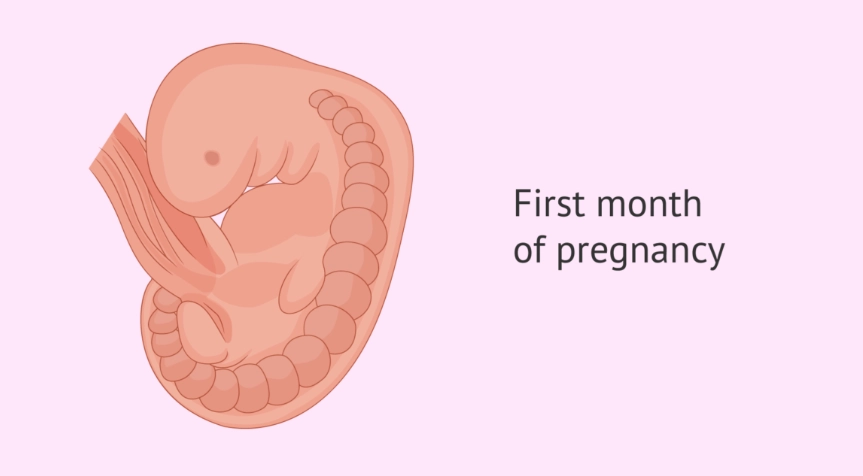
In This Article
The Exact Size of Your 1.5 Month Old Baby
So, how big are we talking? At 6 weeks gestation, your baby measures roughly 4-5 millimeters (mm) from crown to rump. That's about the size of a sweet pea, a pomegranate seed, or the nail on your pinky finger. The "poppy seed" comparison is often used for week 4, and by week 6, they've already graduated to something a bit more substantial.
But here's the thing most articles don't stress enough: size is a range, not a single number. A 4 mm embryo and a 5 mm embryo at this stage are both perfectly normal. The growth is exponential now, so a difference of a single millimeter represents significant progress. Obsessing over the exact millimeter is a common new-parent trap I fell into; your doctor is looking for growth progression, not an absolute number on a specific day.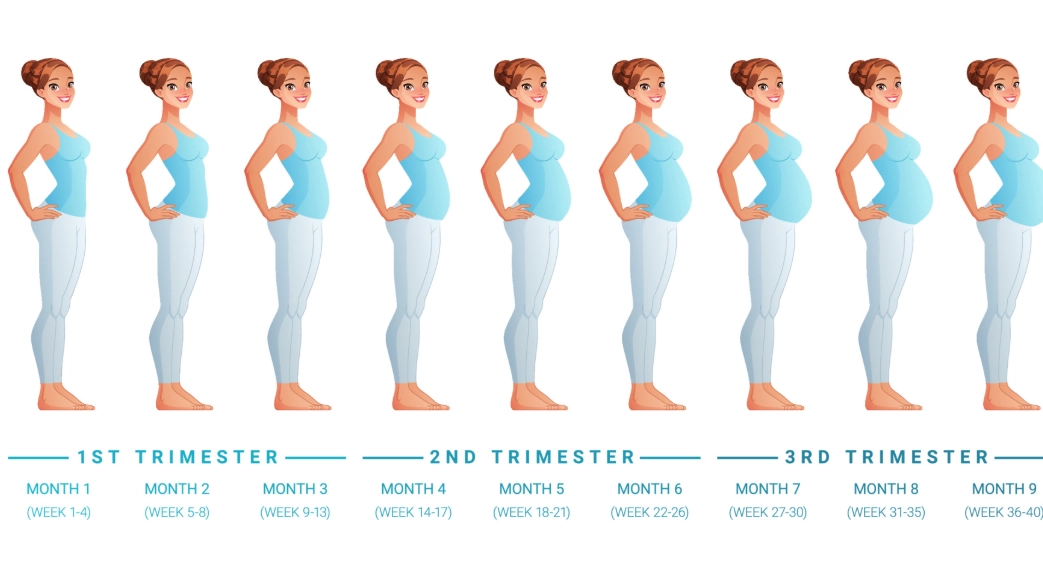
Visualizing It: Take a standard pencil and look at the eraser. Your baby is smaller than that eraser's width. It's incredible to think that within that tiny space, a heart has already begun beating.
Key Developmental Milestones Happening Now
While the size is tiny, the developmental leaps are massive. This isn't just a blob of cells; it's an embryo undergoing a breathtaking transformation. The primary structures are forming at a rate that will never be matched again in life.
The Heart Takes Center Stage
This is the headline act. Between weeks 5 and 6, the primitive heart tube begins to fold and beat. By the time you're 1.5 months pregnant, it's often possible to detect cardiac activity on a transvaginal ultrasound. It won't sound like the "lub-dub" you're imagining; it's more of a rapid flicker on the screen, but it's the first sign of that independent life. The American College of Obstetricians and Gynecologists (ACOG) notes this as a critical early milestone.
Building the Blueprint: Neural Tube and Buds
The neural tube, which will become the brain and spinal cord, is closing. This is why folic acid is so critical before and during these early weeks—it supports this vital process. Simultaneously, small buds are appearing that will grow into arms and legs. The face is also starting to form, with dark spots where the eyes will be and pits marking the future ears and nose.
It's a head-heavy time in terms of development. The embryo has a distinct tail (which will recede) and a pronounced curvature.
| Feature | Development at ~6 Weeks (1.5 Months) |
|---|---|
| Size (Crown-Rump Length) | 4-5 mm (Sweet pea size) |
| Heart | Tube folding and beginning to beat (100-160 bpm) |
| Neural Tube | Closing to form brain and spinal cord |
| Limb Buds | Small paddles appear for arms and legs |
| Facial Features | Eye spots, ear pits, and nasal pits forming |
| Circulation | Primitive blood cells begin to circulate |
What Your Body is Telling You: Common Symptoms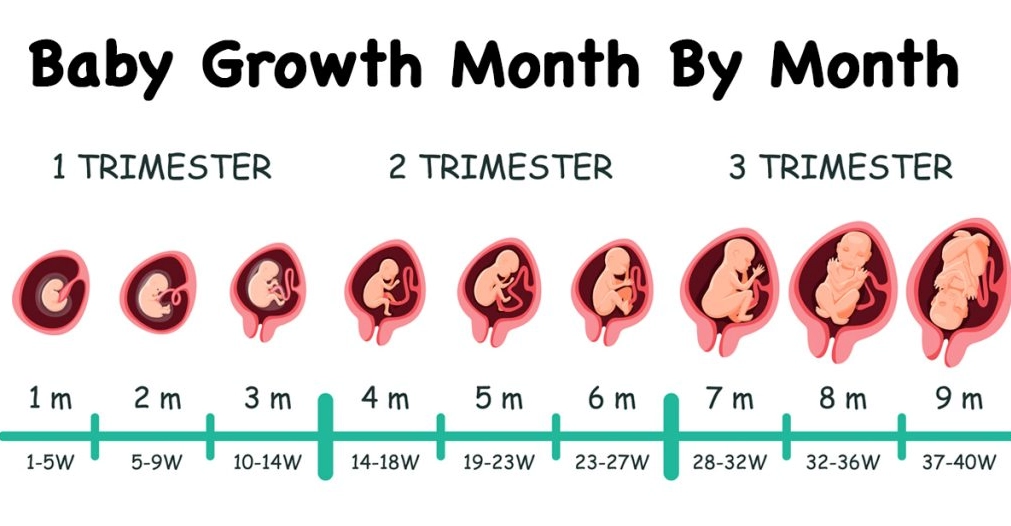
You might feel a lot, or you might feel surprisingly little. Both are normal. Hormones, particularly hCG and progesterone, are surging to sustain the pregnancy, and they come with side effects.
Fatigue is often profound. It's not just tiredness; it's a bone-deep exhaustion that can hit you at 2 PM. Your body is building a placenta, which is an enormous metabolic task. Nausea ("morning sickness" is a misnomer—it can strike anytime) may be starting or intensifying. Tender, swollen breasts, frequent urination, and mood swings are also common players.
You might also experience light spotting or cramping. While this always warrants a call to your provider for peace of mind, it's often due to the embryo implanting more deeply or increased blood flow to the cervix. It doesn't automatically signal a problem.
The Crucial Do's and Don'ts for This Stage
This is the time to solidify healthy habits. The embryo is incredibly vulnerable as its major organs begin to form.
Do's
Do take your prenatal vitamin with at least 400 mcg of folic acid. If you haven't started, start today. It's the single most important supplement at this stage for preventing neural tube defects.
Do schedule your first prenatal appointment. Even if it's weeks away, getting on the calendar is a concrete step.
Do listen to your body and rest. Nap when you can. Delegate chores. Your job right now is growing a baby.
Do stay hydrated and eat small, frequent meals to help manage nausea. Bland carbs like crackers, toast, and bananas can be lifesavers.
Don'ts
Don't smoke, drink alcohol, or use recreational drugs. There is no known safe amount during pregnancy.
Don't change cat litter due to the risk of toxoplasmosis.
Don't eat high-mercury fish, raw/undercooked meat, or unpasteurized dairy. The CDC has clear guidelines on foods to avoid.
Don't panic about every little cramp or symptom change. Easier said than done, but try to focus on the big picture of your overall health.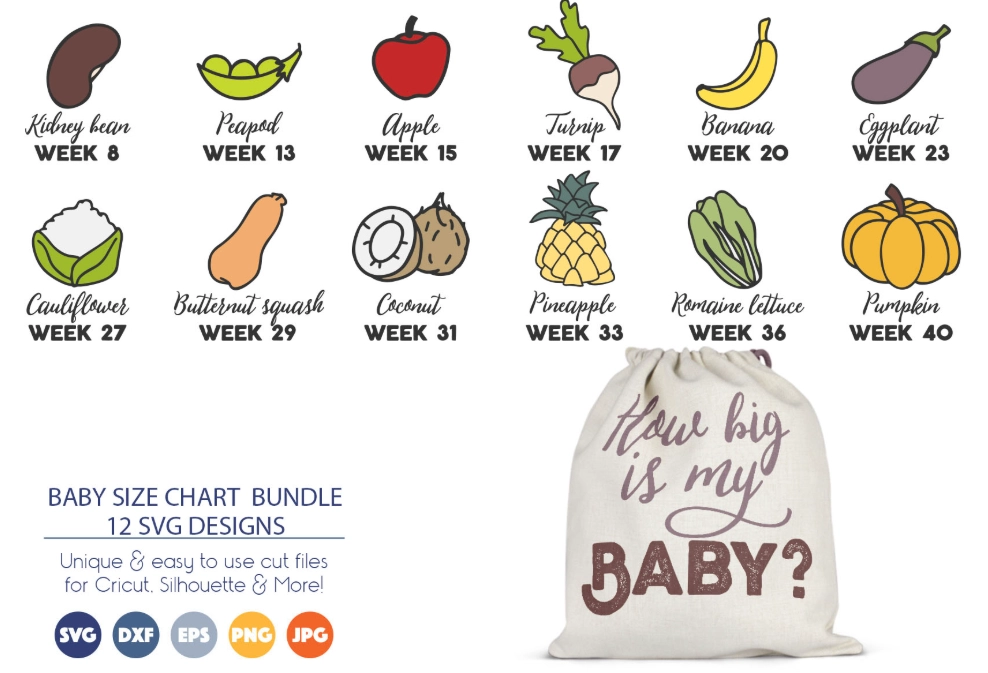
What to Expect at Your First Ultrasound
If you have an early scan around this time, it will likely be a transvaginal ultrasound for better clarity. Here's what they're looking for and what you'll see:
The Gestational Sac: This is the first thing visible, a black, fluid-filled circle in your uterus.
The Yolk Sac: A small, white circle inside the gestational sac that nourishes the embryo before the placenta takes over. Seeing it is a good sign.
The Fetal Pole: This is your baby! It will look like a tiny, white, curved structure attached to the yolk sac.
Cardiac Activity: The big moment. The sonographer will zoom in and look for a tiny flicker. You may or may not hear the sound, but seeing that flutter is monumental.
Not seeing a heartbeat at exactly 6 weeks doesn't always mean bad news. Dating might be off by a few days. Many practitioners will recommend a follow-up scan in 7-10 days to check for growth, which is the most important indicator.
Your Top Questions, Answered
My pregnancy app says my baby should be 5mm, but my scan measured 4mm. Should I be worried?
Measurement at this scale has a margin of error. A 1mm difference is within the normal range of variation and can even depend on the sonographer's angle. The key is consistent growth over time. Your doctor isn't looking for a textbook number on a specific day; they're looking for appropriate progression at your next scan. Jumping to conclusions based on a single millimeter is a fast track to unnecessary stress.
I have no morning sickness at 1.5 months pregnant. Does that mean something is wrong?
Not at all. Up to 30% of pregnant women experience little to no nausea. Symptom presence or severity is not a reliable gauge of pregnancy health. Some bodies simply tolerate the hormone surge better. The absence of symptoms can be a blessing, not a warning sign. Focus on the clinical signs from your healthcare provider, not the lack of a side effect.
 Is it safe to exercise during the first month and a half?
Generally, yes, if you were active before pregnancy. This is not the time to start a new, intense regimen. Stick to moderate exercise like walking, swimming, or prenatal yoga. Listen to your body—if you feel dizzy, short of breath, or exhausted, stop. The rule of thumb is you should be able to hold a conversation while exercising. Avoid activities with a high risk of falling or abdominal impact.
When will I start showing with a 1.5 month pregnancy baby size?
You won't show from the baby yet. Any bloating or slight rounding you might feel is due to hormonal changes (progesterone relaxes smooth muscle, including your digestive tract) and is completely normal. A true "baby bump" from the uterus expanding above the pelvic bone typically becomes noticeable between 12 and 16 weeks for first-time moms, sometimes earlier for subsequent pregnancies.
The 1.5-month mark is a time of silent, miraculous construction. Your sweet pea-sized baby is laying down the literal groundwork for its entire future. The anxiety is normal, but try to balance it with wonder. You're growing a human, and right now, its tiny, flickering heart is the most important thing in your world.
Reader Comments