Quick Guide to Taste Changes
- Why Does Your Taste Go Haywire When You're Pregnant?
- So, What Week Does Taste Change in Pregnancy? The Timeline
- What Does This "Changed Taste" Actually Feel Like?
- Practical, Tried-and-Tested Tips to Manage Pregnancy Taste Changes
- When Taste Changes Might Be a Sign to Talk to Your Doctor
- Your Questions Answered: Pregnancy Taste Change FAQ
- Wrapping It Up: Riding the Wave of Pregnancy Taste Buds
So you're pregnant, and suddenly your morning coffee tastes like pennies, or your favorite pasta sauce has this bizarre metallic edge you can't shake. You're not imagining things, and you're definitely not alone. One of the most common, yet oddly specific, early signs of pregnancy is a change in how things taste. It can be confusing, annoying, and sometimes just plain unpleasant. If you're sitting there asking, "What week does taste change in pregnancy?" you've come to the right place. Let's talk about it, no medical jargon, just straight talk from someone who's been in those weird-tasting trenches.
I remember with my first, it hit me around week 6. I took a sip of water – plain, filtered water – and it tasted like I was sucking on a rusty nail. It was so unsettling. I spent days wondering if something was wrong with our pipes before I connected the dots. That's the thing about pregnancy symptoms; they can be so bizarre you don't even recognize them at first.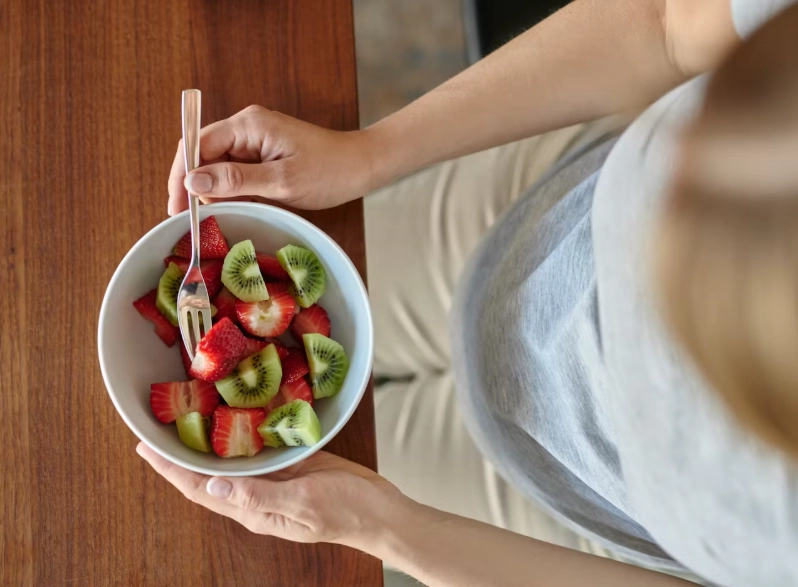
Why Does Your Taste Go Haywire When You're Pregnant?
It all boils down to hormones, as most pregnancy quirks do. But it's not just one thing causing the chaos. Think of it as a perfect storm inside your body.
The main culprit is that rapid surge in estrogen and human chorionic gonadotropin (hCG). These hormones have a direct line to your brain's olfactory (smell) and gustatory (taste) centers. When they're running the show, the signals get crossed. Your taste buds themselves don't change, but the way your brain interprets their signals gets completely rewired. It's like your brain's taste software got a glitchy, hormonal update.
Increased blood volume plays a role too. More blood flow can cause minor swelling, even in your gums and the tiny capillaries around your taste buds, subtly altering your perception.
And let's not forget the evolutionary theory. Some researchers think this heightened, often negative, taste and smell sensitivity was a protective mechanism for our ancestors. A strong aversion to potentially spoiled meats or bitter plants (which could contain toxins) might have helped protect the developing fetus. Not super helpful when it makes your partner's breath or the smell of your fridge unbearable, but it's a fascinating thought.
The Bottom Line: Your taste changes because pregnancy hormones, primarily estrogen, are messing with the communication lines between your taste buds and your brain. It's a physiological side effect, not a sign that anything is wrong with you or your diet.
So, What Week Does Taste Change in Pregnancy? The Timeline
This is the million-dollar question, right? What week does taste change in pregnancy? The answer isn't a single day on the calendar, but there's a very common pattern.
For the vast majority of women, taste alterations kick in during the first trimester. Many notice it as one of their very first symptoms, even before a missed period for some, though it more commonly becomes noticeable between weeks 5 and 8 of pregnancy.
That's when hormone levels, especially hCG, are skyrocketing. It often peaks around the end of the first trimester (weeks 12-14) and then, thankfully for many, starts to ease up in the second trimester as hormone levels stabilize a bit.
But here's the personal part – it's not universal. I've had friends who didn't get the metallic taste but developed a sudden hatred for chicken. Others sailed through the first trimester only to find certain smells and tastes becoming offensive in the third trimester as the baby grew and pressed on things. So while we can talk about the most common timeline, your body has its own schedule.
Let's break down the typical taste journey:
| Trimester | Common Taste Changes & Timing | Why It Happens |
|---|---|---|
| First Trimester (Weeks 1-12) | Onset: Often begins between weeks 5-8. Hallmark: Metallic taste (dysgeusia), sudden food aversions, heightened sensitivity to bitter/sweet. Peak: Usually most intense around weeks 8-12. |
Rapid rise in hCG and estrogen levels directly impacting taste/smell brain centers. Morning sickness can exacerbate it. |
| Second Trimester (Weeks 13-27) | Relief for Many: Taste often normalizes or significantly improves after week 14. New Cravings: May emerge as taste returns to "normal." For Some: Changes can persist, but usually less intense. |
Hormone levels plateau and stabilize. The body adjusts to the new hormonal environment. |
| Third Trimester (Weeks 28-40+) | Possible Return: Some women report taste changes or aversions returning. Contributing Factor: Heartburn/acid reflux (very common now) can leave a bitter or sour taste. Late Cravings: Specific, strong cravings are common. |
Increased uterine size causing acid reflux. Hormonal shifts preparing for labor might play a role. |
See? Asking what week does taste change in pregnancy leads you down a path of understanding the whole journey, not just a start date.
What Does This "Changed Taste" Actually Feel Like?
It's not just "things taste different." It's specific, and often downright strange. The medical term for a distorted sense of taste is dysgeusia (dis-GOO-see-uh).
The most famous version is the metallic taste. It's like you have a handful of old coins in your mouth, all the time. It can be more noticeable with certain foods or drinks, or it can just be a constant background flavor, especially in the morning.
But it goes beyond metal. Here are some of the common taste distortions women report:
- Bitter or Sour Overload: Foods that are mildly bitter (like coffee, dark chocolate, some greens) can become intensely and unpleasantly bitter. Even water can taste sour or off.
- Sweetness Muting or Intensifying: Some women find sweet things don't taste sweet enough, while others find even mildly sweet things cloying and overwhelming.
- Salt Craving or Aversion: You might find yourself dumping salt on everything, or conversely, finding normal food way too salty.
- Phantom Tastes: Tasting something that isn't there, like a persistent sweet or metallic flavor, even when you're not eating.
- Total Food Aversions: This is a big one. It's not just "I don't feel like chicken." It's a deep, visceral, sometimes nauseating reaction to the thought, smell, or taste of a food you used to love. For me, it was garlic. Couldn't stand it for months.
A Quick Rant: The advice to "eat bland crackers" in the first trimester always made me laugh. For some women, even the smell of a saltine was a trigger. There's no one-size-fits-all solution, and pretending there is just makes you feel more isolated when the standard advice fails.
Practical, Tried-and-Tested Tips to Manage Pregnancy Taste Changes
Okay, so you know what week taste changes in pregnancy might start, and what it feels like. Now, what can you actually do about it? You can't turn off the hormones, but you can definitely try some tricks to make life more palatable.
Combating the Dreaded Metallic Taste
This one is a top complaint. Here’s what sometimes helps:
- Acid to the Rescue: Sucking on lemon drops, drinking lemon water, or eating citrus fruits can cut through the metallic flavor. The sourness seems to reset your palate. I lived on sugar-free lemon candies.
- Go Cold and Crunchy: Cold foods often have less pronounced aromas, which are tied to taste. Try cold fruit salads, yogurt, smoothies, or crunchy veggies like cucumbers and bell peppers.
- Switch Up Your Metal: If you use metal utensils, try switching to bamboo or plastic for a while. Some women find the metal-on-metal sensation makes the taste worse.
- Frequent, Small Sips: Keep a water bottle with you and add a squeeze of lemon, lime, or a few berries. Staying hydrated can dilute the taste. Herbal teas like peppermint or ginger can also help.
- Minty Freshness: Brushing your teeth more frequently, using a minty mouthwash (alcohol-free), or chewing sugar-free mint gum can provide temporary relief.
Dealing with Food Aversions and Cravings
Listen to your body, but within reason.
- Don't Force It: If the thought of broccoli makes you gag, don't eat broccoli. There are other sources of vitamins. Forcing a food you're averse to can make nausea worse and create negative associations.
- Follow Safe Cravings: Wanting pickles and ice cream? Go for it (in moderation). Cravings often point to something your body needs—salt, calcium, calories. Just ensure overall nutrition stays balanced.
- Experiment with Temperature & Texture: If you can't stand warm chicken, maybe cold chicken in a salad is okay. If cooked spinach is a no-go, try a raw spinach salad. Blending foods into smoothies can also bypass some of the texture/taste issues.
- Focus on Survival Foods: In the peak of the first trimester, nutrition is about getting through the day. If all you can keep down is toast, applesauce, and a prenatal vitamin, that's okay for a short period. The American College of Obstetricians and Gynecologists (ACOG) emphasizes taking your prenatal and doing your best, which sometimes means just getting calories in.
Pro-Tip: If meat is a major aversion (very common), don't panic about protein. Try eggs, Greek yogurt, cottage cheese, nuts, nut butters, beans, lentils, or protein shakes. Your protein needs increase in the second and third trimester, so you'll have time to reintroduce meat later if it becomes appealing again.
When Taste Changes Might Be a Sign to Talk to Your Doctor
Most of the time, a weird taste in your mouth is just a normal, annoying part of pregnancy. But there are a few situations where it's worth mentioning to your healthcare provider.
First, if your taste changes are accompanied by severe nausea and vomiting (hyperemesis gravidarum) where you can't keep any food or liquids down, that requires medical attention. Dehydration and nutrient deficiency are real risks.
Second, a sudden loss of taste or smell (not just distortion) could be a sign of something else, like a sinus infection or, as we've all become more aware, certain viral illnesses. It's good to rule those out.
Third, if the metallic taste is extreme and persistent, and you're also experiencing increased thirst, dry mouth, and fatigue, it's worth getting your blood sugar checked. While not common, drastic taste changes can sometimes be associated with gestational diabetes. Your provider will screen for this around 24-28 weeks anyway.
Lastly, if the taste changes are causing you significant distress, anxiety, or preventing you from eating entirely for a day or more, talk to your doctor or midwife. They can offer reassurance and may have additional suggestions. You can find more on managing general pregnancy discomforts from trusted sources like the Mayo Clinic's pregnancy guides.
Important: Never start taking supplements, herbs, or excessive amounts of anything (like lemon juice) to combat taste changes without discussing it with your prenatal care provider. What's safe for a non-pregnant person isn't always safe during pregnancy.
Your Questions Answered: Pregnancy Taste Change FAQ
Does the metallic taste mean I'm having a boy or a girl?
This is a classic old wives' tale. There's no scientific evidence linking the metallic taste (or any specific food craving/aversion) to the baby's sex. It's all down to your individual hormonal response. So don't start painting the nursery based on your distaste for coffee!
Will my taste ever go back to normal?
Yes, absolutely. For most women, taste returns to normal shortly after delivery, as hormone levels plummet. It can take a few days or a couple of weeks for everything to reset completely, but you will stop tasting metal and your old favorites will (likely) taste good again. Breastfeeding can keep some hormones elevated, so a few taste quirks might linger for some, but nothing like the first trimester intensity.
Can prenatal vitamins cause a metallic taste?
They can, actually. The iron in prenatal vitamins is notorious for causing a metallic aftertaste or even making some women feel nauseous. Tips: try taking it with a larger meal or just before bed. If it's unbearable, ask your doctor about alternative formulations (like slow-release iron or a different brand). Don't stop taking them without medical advice.
Is it dangerous if I'm only eating a few foods because of aversions?
Short-term, no. As mentioned, the first trimester is often about survival. Your baby is tiny and takes what it needs. The priority is your prenatal vitamin (especially folic acid) and staying hydrated. If aversions persist deep into the second trimester and are severely limiting your diet, a consultation with a registered dietitian who specializes in prenatal nutrition can be incredibly helpful. They can help you build a balanced diet within your new taste parameters.
Wrapping It Up: Riding the Wave of Pregnancy Taste Buds
So, we've traveled from wondering what week does taste change in pregnancy to understanding the why, the when, and the how-to-cope. It's a fascinating, if annoying, window into the incredible hormonal remodeling happening in your body.
The key takeaways? It usually starts early, between weeks 5 and 8. It's driven by hormones messing with your brain's taste center. The metallic taste is the hallmark, but aversions are just as powerful. Management is about practical hacks—sour flavors, cold foods, mint, and not forcing yourself to eat what revolts you.
Most importantly, give yourself grace. This phase is temporary. One day, you'll sip your coffee and it will just taste like coffee again. You'll eat a salad with garlic dressing and enjoy it. Your taste buds will come home.
Until then, experiment, find your new temporary "safe foods," and know that this weird sensory journey is a shared experience for millions of pregnant people. It's a sign your body is doing its profound work, even if it feels like it's playing a bizarre trick on you at dinner time.
Reader Comments