Quick Navigation
- The Most Common Early Pregnancy Symptoms
- Other Potential Early Clues
- Positive Signs of Pregnancy vs. PMS: The Great Confusion
- When Should You Take a Pregnancy Test?
- Signs That Need a Doctor's Attention (Sooner Rather Than Later)
- Frequently Asked Questions About Early Pregnancy Signs
- Listening to Your Body and Next Steps
Let's talk about those early days. The waiting, the wondering, the over-analyzing every little twinge. If you're reading this, you're probably in that zone—scouring the internet for clues, trying to decode what your body is up to. I remember that feeling well. It's a mix of excitement, anxiety, and a desperate need for clear information.
So, let's cut through the noise. We're going to walk through the real, tangible positive signs of pregnancy. Not the old wives' tales, but the physiological changes that many women experience in the first weeks. It's crucial to remember that every single pregnancy is unique. Your best friend might have been glued to the toilet from week five, while you might just feel unusually tired. Neither experience is more "valid" than the other.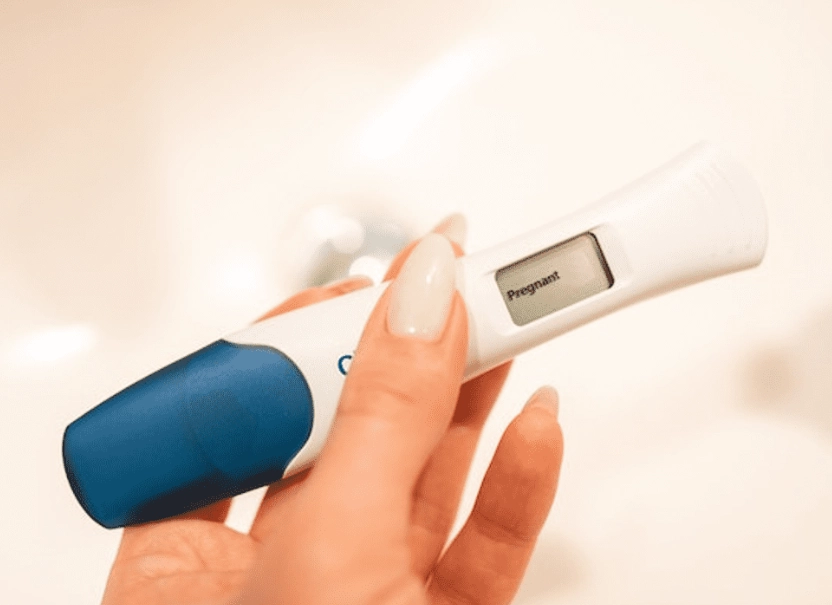
The Most Common Early Pregnancy Symptoms
These are the usual suspects. The symptoms that show up on almost every list for a reason—they're incredibly common in early pregnancy due to the surge of hormones, primarily progesterone and human chorionic gonadotropin (hCG).
A Missed Period
This is the big one, the headline act. For women with regular cycles, a missed period is often the first glaring hint. But here's the thing I wish someone had told me: it's not always black and white. You might experience what's called "implantation bleeding," which is light spotting that can happen when the fertilized egg attaches to the uterine lining, around the time your period is due. It can trick you into thinking it's a light period. Annoying, right?
The mechanism is simple: after conception, your body starts producing hCG, which signals the ovaries to keep producing progesterone. This hormone prevents the uterine lining from shedding—hence, no period. If your cycle is irregular, this sign is less reliable, which can make the whole process even more stressful.
Tender, Swollen Breasts
This isn't your standard pre-menstrual tenderness. For many, it's more intense. A feeling of heaviness, soreness, or tingling that starts as early as one to two weeks after conception. The areolas (the area around the nipples) might darken and the little bumps on them (Montgomery's tubercles) may become more prominent. Your veins might look more visible, too. It's all due to increased blood flow and hormonal prep work for breastfeeding. Honestly, it can make putting on a bra or even rolling over in bed a calculated maneuver.
Fatigue That Knocks You Out
We're not talking about feeling a bit sleepy after lunch. This is profound, bone-deep exhaustion. You might find yourself needing a nap just to get through the day, or falling asleep on the couch at 8 PM. Progesterone is a central nervous system depressant, and your body is also starting the massive project of building a placenta. It's expending a huge amount of energy. I found this to be one of the most undeniable early positive signs of pregnancy—the kind of tired that coffee couldn't touch (and you might not even want coffee, but we'll get to that).
Nausea (With or Without Vomiting)
"Morning sickness" is a terrible name for it. It can strike any time of day or night, and for some unlucky souls, it lasts all day. It often starts around week 6, but can begin earlier. The exact cause isn't fully understood, but it's strongly linked to rising hCG levels. For some, it's just a persistent queasiness, a heightened sensitivity to smells (the office microwave becomes your enemy). For others, it involves actual vomiting. There's a spectrum. A weird tip that worked for me? Keeping plain crackers by the bed and eating one before even sitting up in the morning. Simple, but it sometimes helped settle the stomach.
Increased Urination
You might find yourself making more trips to the bathroom, even early on. This isn't because the baby is pressing on your bladder—it's way too small for that yet. This early frequency is due to your kidneys working more efficiently and the increased blood volume in your body, which leads to more fluid being processed and ending up in your bladder. It's one of those sneaky positive signs of pregnancy that you might blame on drinking more water, until you realize the pattern.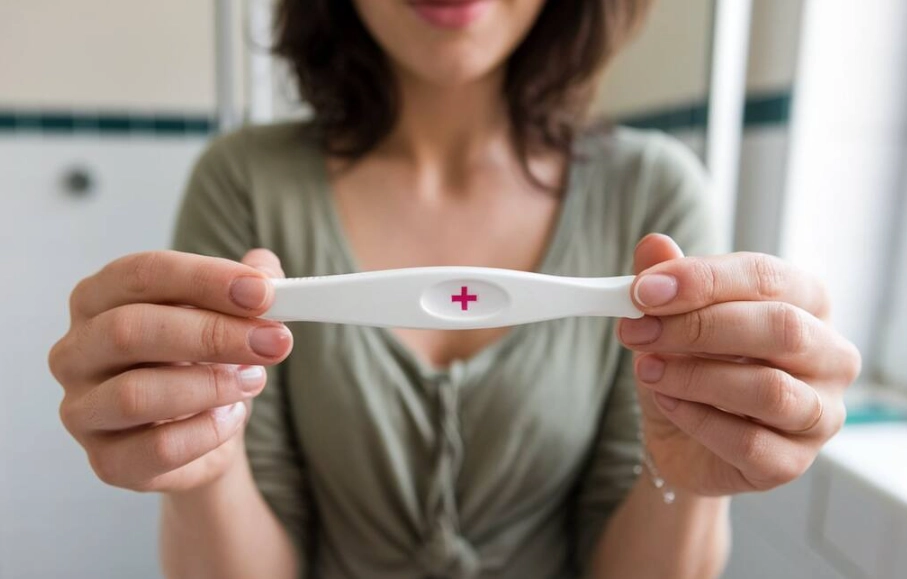
Other Potential Early Clues
Beyond the classic symptoms, your body might send other signals. These are less universal but still very real for many women.
- Food Aversions or Cravings: Suddenly, the smell of your once-favorite food makes you gag. Or you develop an intense, specific desire for a particular food. Hormones are again the likely culprit, affecting your sense of smell and taste.
- Mood Swings: The hormonal rollercoaster can make you feel euphoric one minute and tearful the next. It can feel eerily similar to PMS, but often more amplified.
- Bloating and Constipation: High progesterone relaxes smooth muscle tissue throughout your body, including your digestive tract. This slows everything down, leading to bloating, gas, and constipation. Lovely.
- Elevated Basal Body Temperature (BBT): If you've been tracking your BBT to conceive, a sustained elevated temperature for more than two weeks after ovulation is a strong indicator.
- A Metallic Taste: Some women report a strange metallic taste in their mouth, a condition called dysgeusia.
A Personal Aside: With my first, my earliest sign was an insane sense of smell. I could smell a banana being peeled two rooms away, and it smelled overwhelmingly chemical and foul. It was bizarre and started well before a missed period. It just goes to show how individual these signs can be.
Positive Signs of Pregnancy vs. PMS: The Great Confusion
This is where it gets tricky. So many early pregnancy symptoms mirror premenstrual syndrome. It's enough to drive you crazy while you're in the two-week wait. Let's break down the nuances, because sometimes the devil is in the details.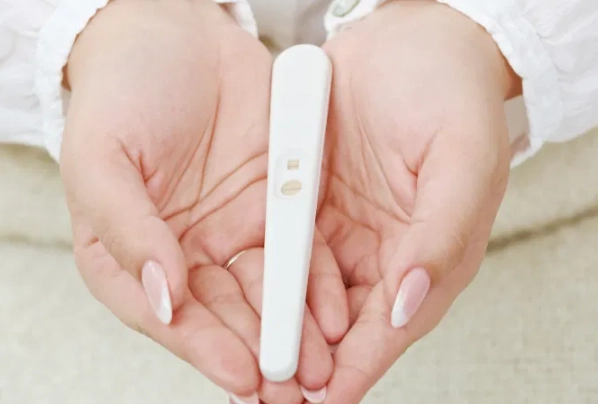
| Symptom | Early Pregnancy | PMS |
|---|---|---|
| Breast Tenderness | Often more pronounced, with a feeling of fullness/heaviness. May last longer. | Tenderness is common but usually subsides once menstruation begins. |
| Cramping | Mild, intermittent "twinges" or pulling sensations (implantation cramps). | Cramps are typically more intense, persistent, and lead directly to menstrual flow. |
| Bleeding/Spotting | Light pink or brown spotting for 1-2 days (implantation bleeding). | Heavier, bright to dark red flow that lasts several days. |
| Fatigue | Profound, sudden, and persistent exhaustion. | Can feel tired, but usually less extreme and lifts with your period. |
| Nausea | Common, often triggered by smells or an empty stomach. | Not a typical PMS symptom. Upset stomach, maybe, but not true nausea. |
| Food Preferences | Strong aversions are very common. Cravings can be specific and intense. | Might crave sweets or salty foods, but less likely to have strong aversions. |
The overlap is real, which is why symptom-spotting can be an anxiety-inducing hobby. The most reliable differentiator is, frankly, the passage of time and that missed period.
When Should You Take a Pregnancy Test?
This is the million-dollar question. Pregnancy tests work by detecting the hCG hormone in your urine. Here’s the straightforward advice from experts: The most reliable result comes from a test taken on or after the first day of your missed period.
Why wait? If you test too early, you might get a false negative because your hCG levels haven't yet risen high enough to be detected, even if you are pregnant. This is called a "false negative," and it's heartbreaking and confusing. Some ultra-sensitive tests claim you can test earlier, like 6-8 days after ovulation, but your chances of an accurate result go up significantly if you just have a little patience.
Pro Tip: For the most accurate result, take the test with your first morning urine, as it's more concentrated. And if you get a negative but your period still doesn't show up in a few days, test again. Sometimes you just ovulated later than you thought.
If you see a positive line, congratulations are likely in order! The next step is to schedule an appointment with your doctor or a midwife for confirmation and to start prenatal care. The American College of Obstetricians and Gynecologists (ACOG) recommends scheduling your first prenatal visit around 8 weeks of pregnancy, but you should call as soon as you have a positive test to get on the schedule and discuss any immediate concerns. You can find their general guidance on early prenatal care on their official website, acog.org.
Signs That Need a Doctor's Attention (Sooner Rather Than Later)
While most early positive signs of pregnancy are normal, some symptoms can indicate a potential problem. Don't hesitate to contact your healthcare provider if you experience any of the following, even if you haven't had your first official appointment yet:
- Severe abdominal pain or cramping: More than just mild twinges.
- Heavy bleeding: Soaking through a pad in an hour, or bleeding with clots and severe pain. (Remember, light spotting can be normal, heavy bleeding is not).
- Severe dizziness or fainting.
- Painful urination: This could indicate a urinary tract infection, which is common in pregnancy and needs treatment.
- Severe, persistent vomiting: If you can't keep any food or liquids down (this is called hyperemesis gravidarum and requires medical attention to prevent dehydration).
- High fever (over 101°F or 38.3°C).
Trust your gut. If something feels seriously wrong, don't talk yourself out of seeking help because you think you're "bothering" someone. It's always better to get checked.
Frequently Asked Questions About Early Pregnancy Signs
Let's tackle some of the specific questions that keep people up at night. These are the things you type into Google at 2 AM.
Listening to Your Body and Next Steps
Navigating the early potential positive signs of pregnancy is a journey of observation and patience. Your body is embarking on an incredible process, and it communicates in its own way and on its own timeline.
The most empowering thing you can do is arm yourself with accurate information. Understand the common signs, know the red flags, and have a realistic timeline for testing. Once you get that positive test, your next move is to connect with a healthcare professional to start your prenatal care journey. Organizations like the March of Dimes offer fantastic, easy-to-understand resources on what to expect and how to have a healthy pregnancy from the very start.
Try to breathe through the uncertainty. Whether you're hoping for a positive or a negative result, the waiting is tough. But paying attention to these early signals—the tender breasts, the unusual fatigue, the shifted sense of smell—is the first step in a much longer conversation with your body.
Good luck.
Reader Comments