Quick Navigation
- How Do These Little Sticks Actually Work?
- Navigating the Aisle: How to Choose the Right Home Pregnancy Kit
- The Big Moment: How to Use a Home Pregnancy Kit Correctly (And Common Mistakes)
- The Art of Line Spotting: Understanding Your Results
- What to Do After You See the Result
- Your Home Pregnancy Kit Questions, Answered
- Final Thoughts: Trust, But Verify
Let's be real. That moment when you're standing in the pharmacy aisle, staring at a wall of home pregnancy kits, is equal parts nerve-wracking and confusing. Which one is best? When should I even take it? And what in the world does a faint line actually mean? If your brain is buzzing with these questions, you're in the right place. I've been there, and so have millions of others.
This isn't a dry medical textbook. Think of it as a long chat with a friend who's done a ton of research (and maybe made a mistake or two along the way). We're going to break down the whole home pregnancy kit experience, from picking one off the shelf to understanding what happens next.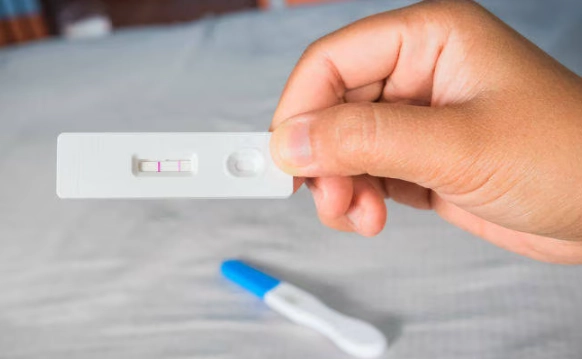
How Do These Little Sticks Actually Work?
The science behind a home pregnancy kit is pretty clever, even if the box makes it look simple. Inside the absorbent tip or the little window, there are antibodies that are specifically designed to bind to the hCG hormone if it's present. When you pee on the stick (or dip it), the urine travels up. If hCG is there, it gets caught by these antibodies, which then trigger a chemical reaction that produces a colored line. No hCG? No reaction. No line (or just one line, which is the control).
It's like a very specific molecular search party happening on a tiny piece of paper. The control line is just there to prove the test strip itself is working properly. Seeing that control line appear is a good sign that you did the test right.
Navigating the Aisle: How to Choose the Right Home Pregnancy Kit
Okay, back to that pharmacy wall. Digital vs. analog? Pink dye vs. blue dye? Early detection or standard? The choices can make your head spin. Honestly, the marketing can be overwhelming. Let's cut through the noise.
Most home pregnancy kits you find at major retailers are reliable when used correctly. The biggest differences come down to sensitivity, readability, and, of course, price. Sensitivity is measured in mIU/mL (milli-international units per milliliter). A lower number means the test can detect a smaller amount of hCG, so it can theoretically give you a positive result earlier. Some brands advertise they can detect hCG at levels as low as 10 mIU/mL, while standard tests might detect at 25 mIU/mL or higher.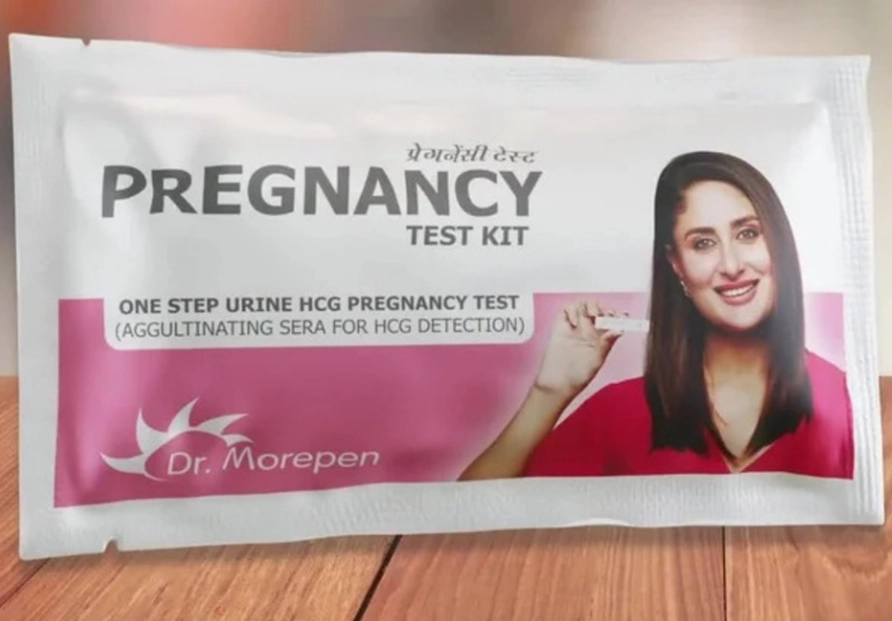
Here’s a quick look at some common types and what they offer:
| Type of Kit | How It Works | Biggest Pro | Potential Con |
|---|---|---|---|
| Midstream Stick | You hold the absorbent tip directly in your urine stream. | Super convenient and less messy. | Can be more expensive. Easy to misread faint lines. |
| Test Strip/Cassette | You collect urine in a cup and dip the strip in. | Usually cheaper. Often more sensitive. | More steps involved (need a clean cup). Can feel less discreet. |
| Digital | Uses a midstream or dip method, but shows "Pregnant" or "Not Pregnant" on a screen. | No line interpretation! Takes the guesswork out. | Most expensive. Can't see if the line is faint. Requires more hCG to trigger a positive. |
I have a friend who swears by the cheap dip strips she buys in bulk online because they let her test without guilt. Another friend only trusts the digital readout because she once spent an hour agonizing over whether a line was pink or grey. There's no single right answer for everyone.
The Dye Debate: Pink vs. Blue
This is a huge topic in online forums. Many experienced testers prefer pink dye tests. The reason? Blue dye tests have a reputation for being more prone to something called an "evaporation line"—a faint, colorless mark where the positive line would be, which can sometimes grab a tiny bit of blue dye and look like a false positive. Pink dye lines tend to be sharper. It's not that blue dye tests are bad, but if you know you're going to be scrutinizing that window under every light in your house, a pink dye home pregnancy kit might save you some sanity.
The Big Moment: How to Use a Home Pregnancy Kit Correctly (And Common Mistakes)
You've bought the kit. Now, the execution. This is where a lot of errors happen, leading to unnecessary confusion.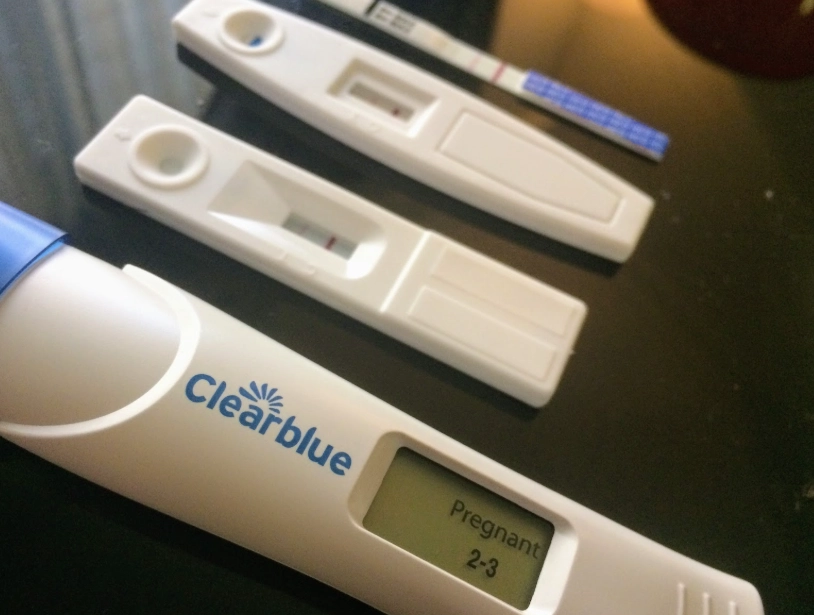
First, read the instructions. I know, I know. But every brand is slightly different. The wait time between peeing and reading the result is critical. Some say 3 minutes, some say 5. Setting a timer on your phone is a lifesaver.
Here’s a simple step-by-step that applies to most tests:
- Check the expiration date. An old test can give unreliable results.
- Decide if you're doing a midstream or dip test. Have a clean, dry cup ready if dipping.
- Remove the test from its foil pouch just before you use it.
- Either hold the absorbent tip in your urine stream for the time specified (usually 5-10 seconds) OR dip the strip into the collected urine for the recommended time.
- Lay the test flat on a clean, dry surface. Do not hold it upright. This can cause the urine to run and create weird lines.
- Start your timer. Do NOT peek during the wait time. Seriously, walk away. Staring at it won't make a line appear faster.
- Read the result only within the time window given in the instructions (e.g., between 3 and 5 minutes). Results read after 10 minutes are not valid and can show evaporation lines.
- Dispose of the test properly.
Top Mistakes People Make
- Testing too early. This is the number one cause of false negatives. Implantation can happen between 6-12 days after ovulation, and hCG needs time to build up. If your period is just one day late, your hCG might still be below the test's detection threshold.
- Reading the results too early or too late. Inside the time window is gospel. Outside of it is chaos.
- Drinking tons of water before the test. While staying hydrated is good, chugging a liter of water right before will dilute your urine and could dilute the hCG concentration, leading to a false negative or a fainter line.
- Assuming a digital test is always more accurate. It's not. It just interprets the lines for you. If your hCG is low, a digital might say "Not Pregnant" while a sensitive line test shows a faint positive.
So, when is the best time to use a home pregnancy kit? The short answer is: the day after your missed period. For the most reliable result, that's your sweet spot. If you have irregular cycles, wait until the longest your cycle usually is before testing.
The Art of Line Spotting: Understanding Your Results
This is where hearts race. You've waited the three minutes. You take a deep breath and look.
A Clear Negative: One line (the control line). This means no hCG was detected at a level high enough for the test's threshold. If your period is significantly late, it's likely you are not pregnant. But if you tested very early, you might want to test again in a few days if your period still hasn't arrived.
A Clear Positive: Two distinct lines. Even if the second line (the test line) is fainter than the control line, it is usually considered a positive result. A line is a line. The test reacts to the presence of hCG, and the intensity of the line can vary based on how concentrated your urine is and how much hCG is present. A faint line often just means early pregnancy.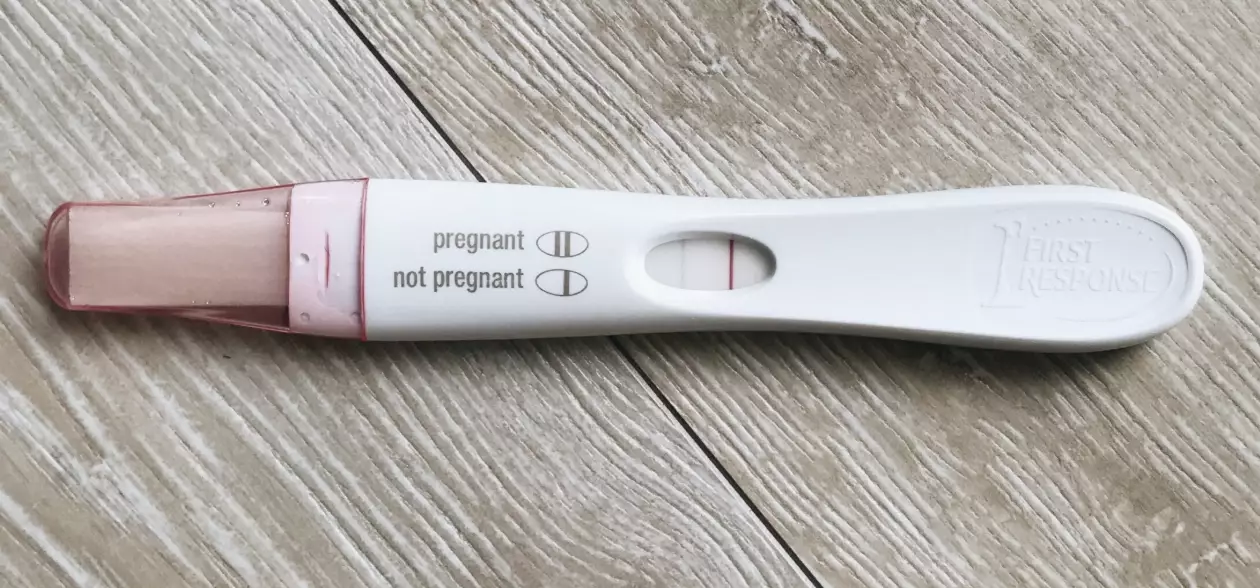
The Dreaded Faint Line / Evaporation Line: This is the source of most anxiety. How do you tell the difference?
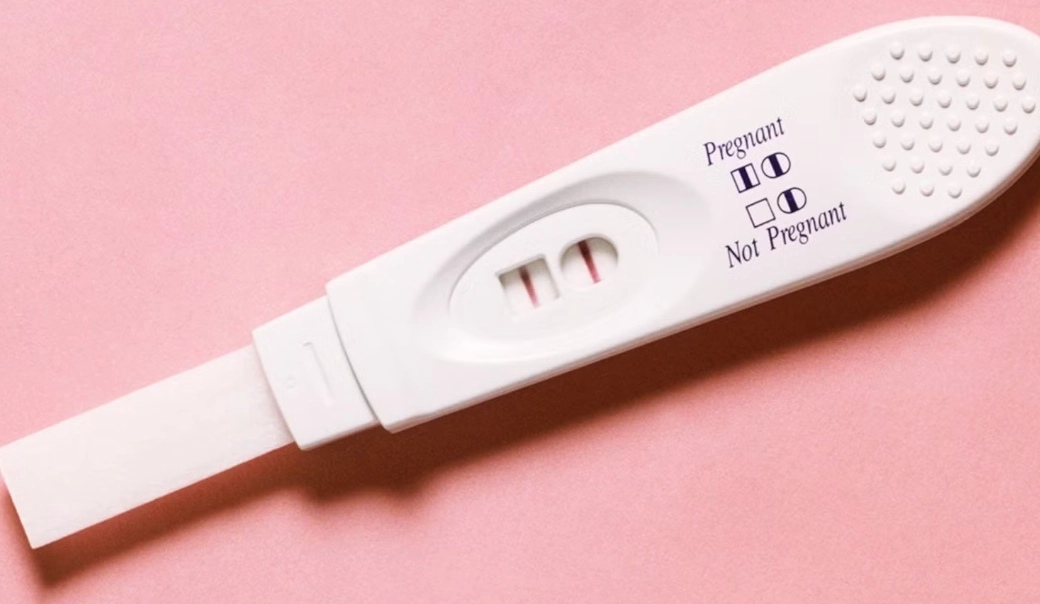
- A True Faint Positive: Has color (pink or blue, depending on the test). It appears within the valid reading window. It's in the right place.
- An Evaporation Line: Is often colorless or greyish. It typically appears after the valid reading time has passed (like 10+ minutes later). It's a shadow where the positive line would be, caused by the test strip drying.
If you see a faint line within the time frame, treat it as a positive.
Can You Get a False Positive?
It's rare, but it can happen. Certain medications containing hCG (like some fertility drugs) will obviously cause a positive. Very rarely, medical conditions like certain ovarian cysts or cancers can produce hCG. A chemical pregnancy (a very early miscarriage) will also produce hCG and thus a positive test, followed by a period. If you get a positive, it's a strong indicator that hCG is present. The next step is to call your healthcare provider to confirm the pregnancy and discuss next steps.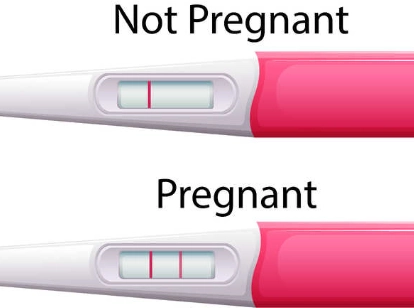
What to Do After You See the Result
If it's negative... but your period is still MIA, wait a few days and test again. Stress, illness, changes in routine, or hormonal fluctuations can all delay ovulation and thus your period. If you've gone several weeks without a period and negative tests, it's a good idea to check in with your doctor.
If it's positive... Congratulations! The first thing to do is schedule an appointment with your doctor or a midwife. They will confirm the pregnancy, usually with a blood test that measures the exact amount of hCG, and start your prenatal care. They can also provide you with resources and answer your immediate questions.
It's a good idea to start taking a prenatal vitamin with folic acid immediately if you aren't already. Folic acid is crucial in the very early weeks for preventing certain birth defects.
Your Home Pregnancy Kit Questions, Answered
Let's tackle some of the most common and often-Googled questions head-on.
When used correctly on or after the day of your missed period, most major brands claim about 99% accuracy. That's pretty darn good. But remember, "used correctly" is the key phrase. Testing too early is the main reason for inaccuracies (false negatives). False positives are much less common.
This is frustrating, but it happens. If one was positive and one negative, it could be that:
- You tested too early with the first (negative) one, and your hCG rose enough to be detected by the second.
- There was a user error with one test (diluted urine, read too late, etc.).
- Extremely rarely, one test was defective.
Typically, a positive result is more trustworthy than a negative in this scenario, as it's harder to get a false positive. Take a third test in 48 hours with first-morning urine.
Most common medications (pain relievers, antibiotics, birth control pills) do NOT affect home pregnancy kit results. The big exception is fertility drugs containing hCG (like Pregnyl, Ovidrel). These can cause a false positive for days or even weeks after your last injection. Other medications like antihistamines or diuretics do not interfere.
Yes. An ectopic pregnancy (where the embryo implants outside the uterus, usually in a fallopian tube) still produces hCG. So, a home pregnancy kit will show positive. This is why it's crucial to see a doctor after a positive test. They will work to confirm the pregnancy is located in the uterus. Severe one-sided pain, shoulder pain, or dizziness with a positive test are medical emergencies.
A home test tells you "yes" or "no" for hCG above a certain threshold. A quantitative blood test (beta hCG) gives you an exact number. Doctors use this to see if your hCG levels are rising appropriately in early pregnancy (they should roughly double every 48-72 hours). The blood test is more sensitive and can detect pregnancy even earlier than a urine test.
Final Thoughts: Trust, But Verify
A home pregnancy kit is an incredible tool for privacy and instant information. It empowers you to find out on your own terms. But it's just the first step. It's a screening tool, not a final diagnosis.
My biggest piece of advice? Be kind to yourself during the process. The wait, the uncertainty, the line-squinting—it's an emotional rollercoaster whether you're hoping for a positive or a negative result. Buy a two-pack. Follow the instructions to the letter. And remember, no matter what the result, you have options and support available. Your healthcare provider is your best resource for confirmation and guidance on the journey ahead.
That little stick holds a lot of power, but you hold the power to use it wisely and understand what it's telling you.
Reader Comments