Quick Navigation
- What's Actually Happening Inside That Little Stick?
- The Ultimate Guide to Using a Pregnancy Test Kit Correctly
- How to Pick the Right Pregnancy Test Kit for You
- Reading the Results: Lines, Words, and That Dreaded "Maybe"
- Just How Accurate Are These Things, Really?
- Your Pregnancy Test Kit Questions, Answered
- What Comes After the Test?
Let's be honest. That moment when you're standing in the pharmacy aisle staring at a wall of boxes, or worse, sitting on your bathroom floor waiting for a result, is one of the most nerve-wracking experiences. Your mind races. Did I do it right? Is this line real or am I seeing things? What if it's wrong? I remember the first time I used one, my hands were shaking so much I almost dropped the stick. It felt like the instructions were written in another language. That's why I wanted to write this. Not as a medical expert, but as someone who's been through the confusion and wants to help clear it up for you.
A pregnancy test kit, at its heart, is a simple piece of technology trying to answer a life-changing question. But the simplicity ends the moment you open the box. There are strips, sticks, mid-stream, digital, early detection, standard... it's enough to make your head spin. And the questions don't stop after you pee on it. That's where most guides drop the ball. They tell you the basics, but they don't sit with you in that anxious quiet minute, or help you decipher that frustratingly faint line.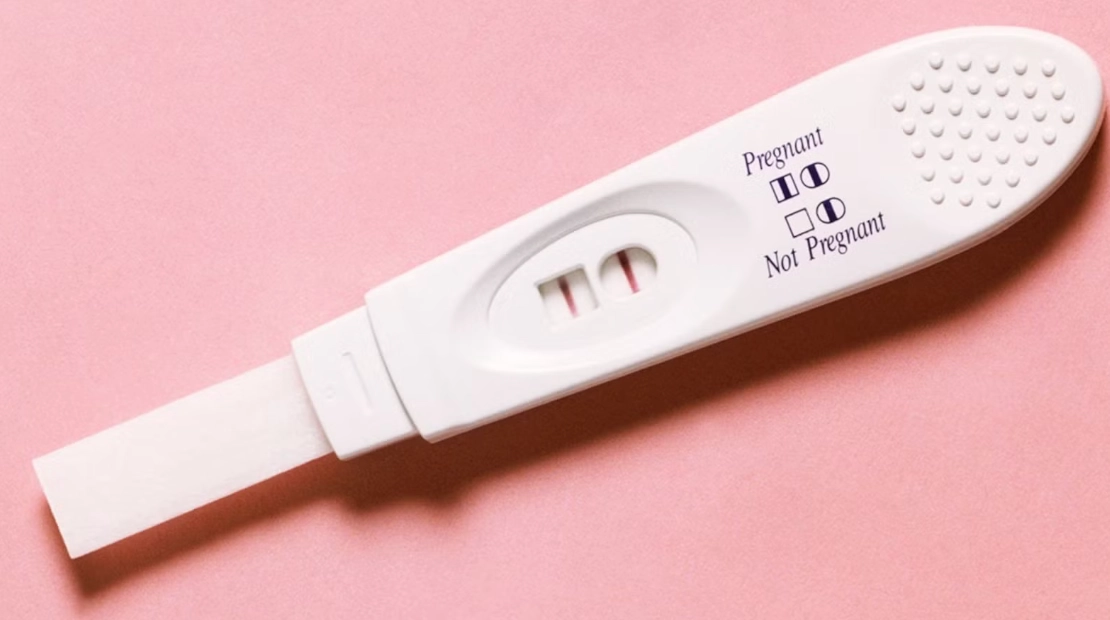
What's Actually Happening Inside That Little Stick?
Before we get into brands and techniques, let's understand the magic (which is really just biology and chemistry). It demystifies the whole process. All home pregnancy test kits work by detecting one specific hormone: human chorionic gonadotropin, or hCG for short. Your body only starts making this hormone in significant amounts after a fertilized egg attaches to the lining of your uterus, an event called implantation.
Think of the test strip as having tiny, invisible antibodies stuck to it that are designed to grab onto hCG molecules. When your urine passes over the strip, if hCG is present, these antibodies catch it. A chemical reaction then happens, usually causing a colored line (or a plus sign, or the word "pregnant") to appear. No hCG? No reaction. No line. It's a pretty elegant system, really.
The key thing to know is that hCG isn't there in detectable amounts immediately after conception. It takes time. After implantation, the hormone levels start very low but double roughly every 48 to 72 hours in early pregnancy. That's why timing is everything with a pregnancy test kit. Test too early, and there might not be enough hCG for the test's antibodies to catch, even if you are pregnant. This leads to what's called a false negative, and it's the most common reason for confusion and disappointment.
The Ultimate Guide to Using a Pregnancy Test Kit Correctly
This is where most mistakes happen. You'd think peeing on a stick is foolproof, but there's a bit more to it. Doing it wrong can waste your money, your time, and a whole lot of emotional energy.
First, The Golden Rule: When to Test
This is the single most important piece of advice. Ignore the "5 days before your missed period!" claims on some boxes. While some super-sensitive tests *might* work then, you're playing a risky game with accuracy.
The most reliable time to use a pregnancy test kit is on or after the first day of your missed period. Why? For most women with regular cycles, this is when hCG levels have had enough time to rise to a point where even standard, non-early tests can detect them reliably. If your cycles are irregular, it's even trickier. The best bet is to wait until at least 14 days after you had unprotected sex, or 19 days if you're being extra cautious, as recommended by experts like the Planned Parenthood guide.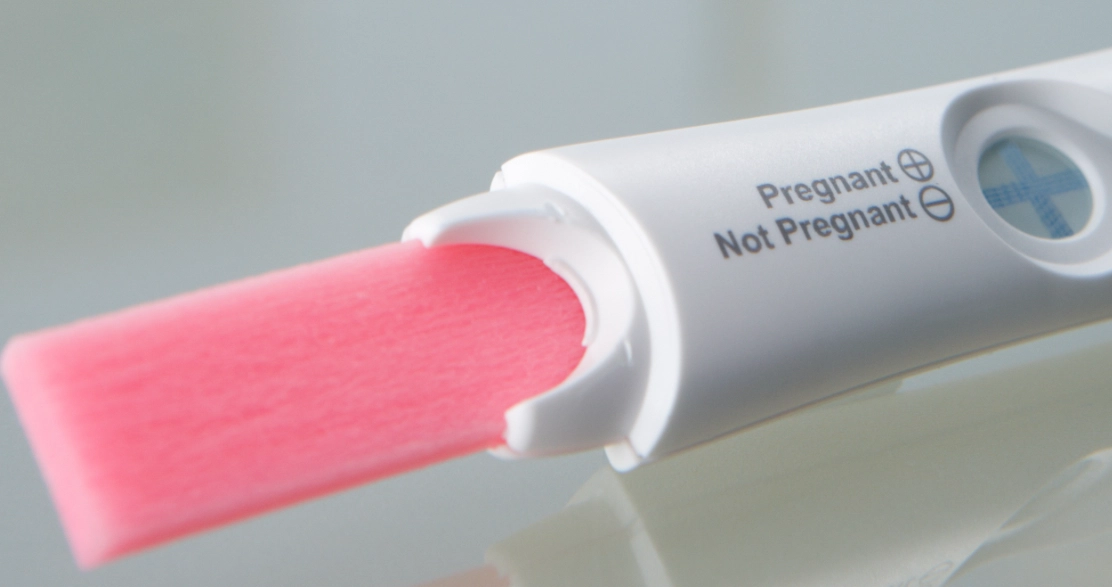
A Step-by-Step Walkthrough (Without the Panic)
- Read the instructions. I know, I know. Everyone skips this. But different brands have different rules. One might say hold the tip in your stream for 5 seconds, another for 10. One says read results in 2 minutes, another says 3. Don't guess. Take 60 seconds and read the leaflet.
- Get your supplies ready. Have a clean, dry surface (like the edge of the sink), a timer (your phone is perfect), and the test ready. If you're using a cup-and-dip style test, have your clean cup ready.
- Collect the sample. For a midstream test: Hold the absorbent tip (usually covered by a cap) in your urine stream for the exact time stated. Don't get the rest of the stick wet. For a dip test: Pee into a clean cup, then dip just the tip of the strip into the urine for the specified time.
- Wait. This is the hard part. Place the test flat on that dry surface. Set your timer. Do NOT stare at it. Go do something else for those few minutes. Seriously. Staring at it makes every shadow and evaporation line look real.
- Read the results within the time window. Check the result only after the minimum time stated (e.g., 2 minutes) and before the maximum time (e.g., 10 minutes). Reading it too soon can give a false reading; reading it hours later is meaningless because evaporation lines can appear.
How to Pick the Right Pregnancy Test Kit for You
Not all tests are created equal. The choice isn't just about pink dye vs. blue dye (though that matters, more on that later). It's about sensitivity, ease of use, and frankly, how much information you can handle seeing in that moment.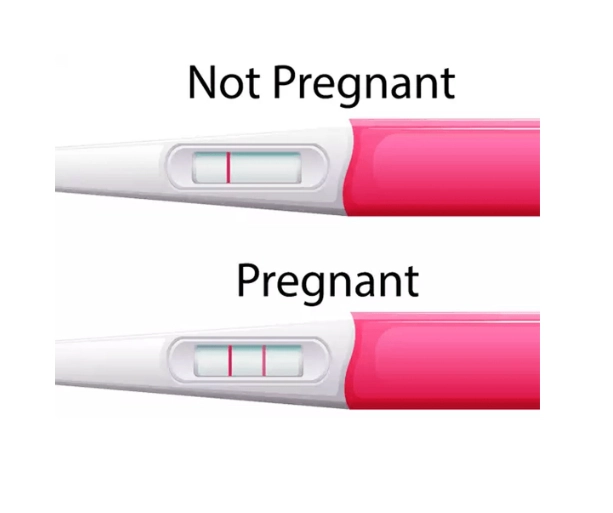
Here’s a breakdown of the main types you'll encounter on the shelf:
| Type of Test | How It Works | Best For | Things to Consider |
|---|---|---|---|
| Standard Midstream | You hold the absorbent tip directly in your urine stream. | Most people. It's straightforward and less messy than cup methods. | Easiest to use correctly. Avoids contamination from dirty cups. |
| Dip Strip Tests | You pee into a cup and dip the thin paper strip into it. | Budget-conscious buyers. These are often cheaper, especially in bulk. | Can be trickier to handle. You must ensure you don't dip past the marked line. |
| Digital Tests | Uses the same tech, but displays "Pregnant" or "Not Pregnant" in words. | Anyone who hates interpreting lines. Great for clarity and reducing "line eye." | More expensive. The words are final, but the mechanism can be less sensitive than some line tests. |
| Early Detection Tests | Extra-sensitive to lower levels of hCG. | Those who want to test several days before a missed period. | Higher chance of false negatives if used *too* early. Can be pricier. The anxiety of early testing is real. |
Now, about the Pink vs. Blue Dye debate. In my experience and from scouring countless forums where women share their stories, pink dye tests tend to have fewer complaints about confusing evaporation lines or faint, hard-to-read results. Blue dye tests can sometimes show a faint grayish "evap" line that looks like a positive, causing unnecessary stress. I personally lean towards pink dye tests for this reason, but many brands with blue dye are also highly accurate when used correctly.
Sensitivity is a big deal. It's measured in mIU/mL (milli-international units per milliliter). A test with a sensitivity of 10 mIU/mL can detect lower levels of hCG than one with 25 mIU/mL. So, a "10 mIU/mL" test is more sensitive and can theoretically give a positive result earlier. But remember, "can" is the operative word. It still depends on your body's unique hCG production. The U.S. Food and Drug Administration (FDA) provides oversight on these tests, and most on the market are 99% accurate *from the day of your missed period* when used perfectly.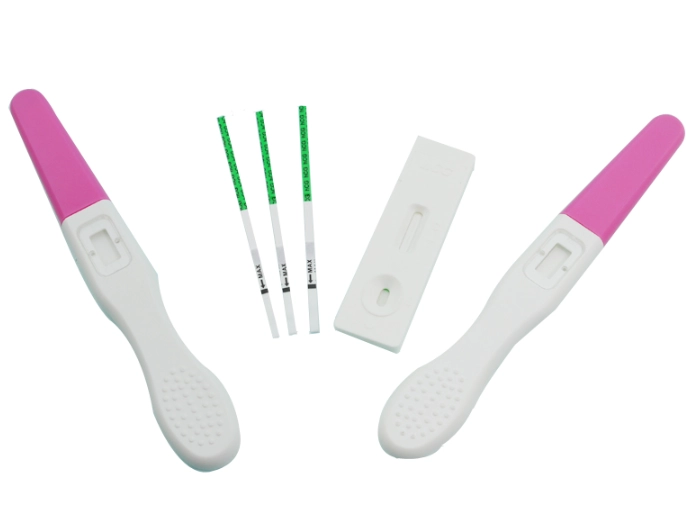
Reading the Results: Lines, Words, and That Dreaded "Maybe"
This is the moment of truth, and it's not always black and white. Or pink and white.
The Clear-Cut Results
A Positive Result: On a line test, this means you see two distinct colored lines. The test line (T) can be lighter than the control line (C), but if it's there with color, it's usually positive. On a digital test, it will say "Pregnant." A positive result is very reliable. False positives are rare. They can happen due to certain medications (like some fertility drugs containing hCG), very recent pregnancy loss, or, in extremely rare cases, certain medical conditions. But generally, if you see a positive, you should consider yourself pregnant and schedule an appointment with a healthcare provider to confirm.
A Negative Result: On a line test, you see only one line (the control line). On a digital test, it says "Not Pregnant." This means the test did not detect hCG at or above its sensitivity threshold.
The Confusing, Gray-Area Results
This is what causes sleepless nights and frantic Google searches.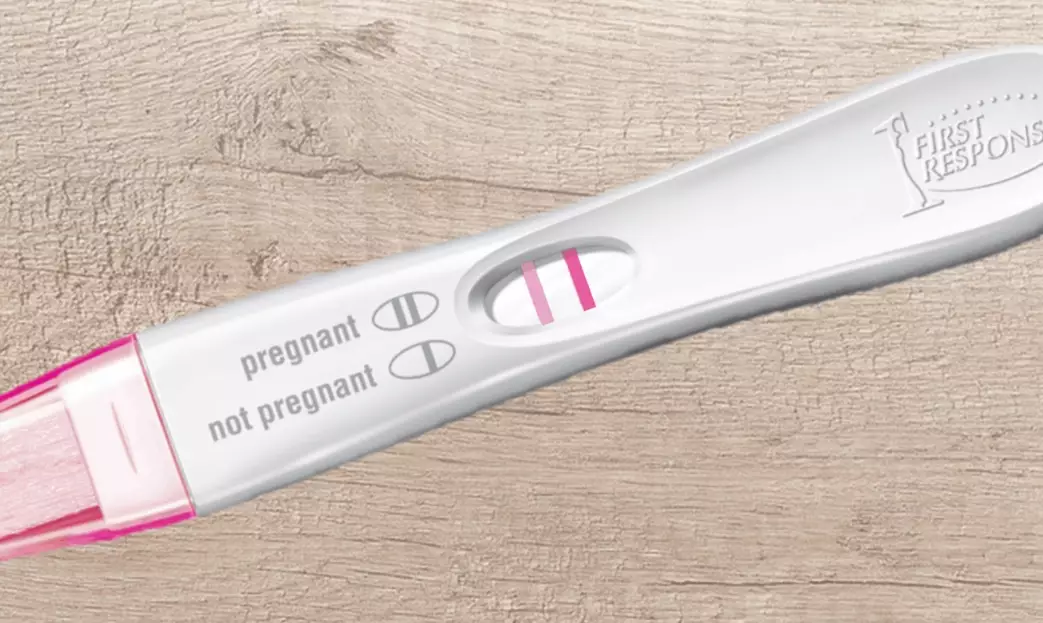
The Faint Line: You see a second line, but it's so light you have to squint and hold it to the light. Is it pink? Is it gray? First, check the timing. If it's within the read window (say, 5 minutes in), a faint line usually indicates a positive result, but with low levels of hCG. This is common if you test very early. If the line appeared *after* the time window (like 30 minutes later), it's likely an evaporation line—a faint mark caused by urine evaporating off the test strip. Evap lines are typically colorless or grayish, not pink or blue.
No Control Line: If the control line doesn't appear, the test is invalid. It didn't work. This could be due to not enough urine, a faulty test, or doing the test incorrectly. Grab another test kit and try again.
Digital Test Errors: Sometimes a digital test will show an error message or a blank screen. This is also an invalid result, usually due to a malfunction or improper use. Annoying, especially given the price, but it happens.
What should you do if you get a faint line or are unsure? Wait 48 hours and test again. If you are pregnant, your hCG levels should have approximately doubled, and the line on your second pregnancy test kit should be noticeably darker. Use your first-morning urine again for the best comparison.
Just How Accurate Are These Things, Really?
The "99% accurate" claim is plastered on every box. It's true, but with a massive, crucial caveat: that accuracy is based on using the test from the day of your missed period under perfect laboratory conditions. Real life is messier.
User error is the biggest factor that lowers accuracy in the real world. Testing too early, misreading the instructions, reading results too late—all these things can lead to incorrect results.
False Negatives (test says not pregnant, but you are) are much more common than false positives. Causes include:
- Testing too early. The #1 reason.
- Using diluted urine (from drinking lots of water before the test).
- Checking the results too soon before the chemical reaction has time to complete.
- A faulty or expired test.
False Positives (test says pregnant, but you are not) are rare but possible. Causes include:
- Certain fertility medications containing hCG.
- A recent miscarriage or abortion (hCG can remain in your system for weeks).
- Rare medical conditions like ovarian cysts or certain cancers that produce hCG.
- A chemical pregnancy (a very early pregnancy loss that occurs shortly after implantation).
The bottom line? No home pregnancy test kit is infallible. A positive result is a strong indicator you should see a doctor. A negative result, especially if your period is still MIA, means you should test again in a few days if it doesn't arrive.
Your Pregnancy Test Kit Questions, Answered
What Comes After the Test?
That little stick gives you information, but it's just the first step.
If your test is positive: Congratulations! Your first move is to make that healthcare appointment. Start taking a prenatal vitamin with at least 400 mcg of folic acid immediately if you aren't already. Avoid alcohol, smoking, and recreational drugs. Check with your doctor about any prescription medications you're on. Begin thinking about your prenatal care options.
If your test is negative, but your period is late: Don't assume you're in the clear just yet. Wait a few more days. If your period still doesn't come, take another pregnancy test kit. Stress, illness, significant weight changes, hormonal imbalances, and changes in exercise can all delay ovulation and your period. If you've gone several weeks without a period or a positive test, it's time to see a doctor to explore other causes.
If you're experiencing severe pain, dizziness, or heavy bleeding: This is important. Stop reading and seek medical attention immediately. These can be signs of an ectopic pregnancy (a pregnancy growing outside the uterus, usually in a fallopian tube), which is a medical emergency. Don't wait.
Using a pregnancy test kit is a moment packed with hope, fear, and uncertainty. The goal is to make the process as clear and calm as possible. Choose a test you trust, wait for the right time, follow the instructions to the letter, and read the results within the window. And then, whatever the result, know your next step. The test doesn't define your journey; it's just a tool to help you start navigating it.
And breathe. However it turns out, you've got this.
Reader Comments