I remember staring at my positive test, thrilled, then immediately panicking about food. What was safe? What would help my tiny poppy seed of a baby? The internet was a mess of conflicting lists. After two pregnancies and talking to countless moms and a brilliant nutritionist, I realized the first trimester isn't about perfection. It's about strategic eating to manage your body's wild changes and lay a solid foundation. This isn't just another generic list. This is a practical, week-by-week roadmap—a true 1 to 3 month pregnancy diet chart—built for real life with nausea, cravings, and exhaustion.
Quick Navigation: Your First Trimester Food Map
How to Use This First Trimester Diet Chart
Think of this as a flexible framework, not a rigid rulebook. If you can only stomach crackers and lemon water on Week 7, that's okay. The goal is to aim for these nutrient targets when you can. The chart below gives you the "what" and "why" for each phase.
Week-by-Week Nutrition Focus: Weeks 1-12
Here’s where we get specific. This breakdown aligns with your baby's developmental milestones and your likely symptoms.
Weeks 1-4: The Foundation Phase
You might not even know you're pregnant yet. This is the most critical window for folic acid. If you're trying to conceive, you should already be on a prenatal. If not, start one the moment you get a positive test.
Food Priority #1: Folate-rich foods. Think spinach, kale, black-eyed peas, lentils, avocado, and fortified cereals. I made a big lentil soup during this time and ate it for days.
Weeks 5-8: The Survival & Nausea Phase
This is where most diet plans fall apart. Forget elaborate meals. Your job is to get calories and key nutrients in any form you can keep down.
Pro Tip: Eat a small, bland snack before you get out of bed. Keep saltines or plain rice cakes on your nightstand. Dry, cold, and bland is your mantra. Try smoothies (you can hide spinach in a berry smoothie), cold watermelon, yogurt, and toast.
Weeks 9-12: The Rebalancing Phase
As food becomes slightly more appealing, it's time to intentionally rebuild a balanced plate. Focus on protein and iron stores, which your blood volume is rapidly expanding.
Food Priority: Lean proteins (chicken, fish, tofu), iron-rich foods (lean red meat, spinach, fortified oatmeal), and vitamin C (bell peppers, oranges) to help absorb that iron. A common mistake here is jumping straight back to heavy, greasy foods. Go slow with easily digestible proteins like eggs and Greek yogurt.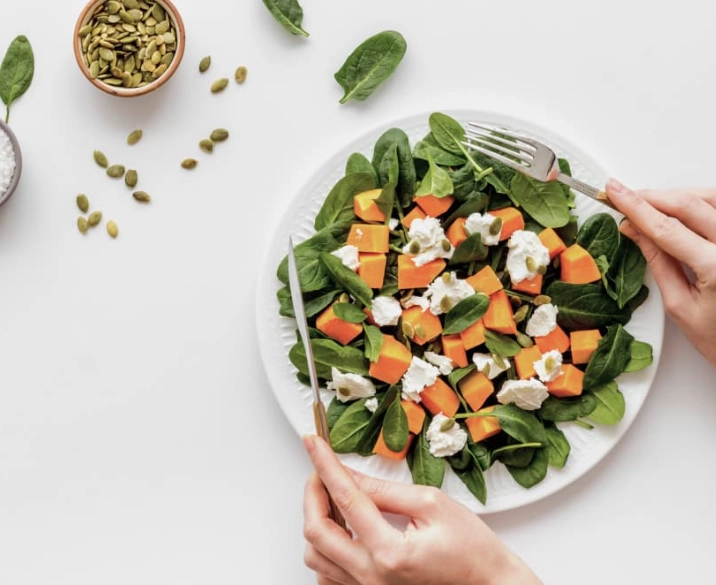
The Non-Negotiable Nutrients & Where to Find Them
Let's break down the key players. This table is your cheat sheet for building meals.
| Nutrient | Why It's Vital (Weeks 1-12) | Top Food Sources (First-Trimester Friendly) |
|---|---|---|
| Folic Acid / Folate | Prevents neural tube defects (spina bifida). Crucial for DNA synthesis. | Fortified cereals, lentils, spinach, asparagus, avocado, oranges. A prenatal vitamin is essential. |
| Iron | Supports massive increase in maternal blood volume to supply placenta and baby. | Lean beef, chicken, turkey, spinach, lentils, fortified oatmeal. Pair with Vitamin C for better absorption. |
| Choline | Critical for baby's brain development and preventing neural tube defects. Often overlooked. | Eggs (the yolk!), lean beef, chicken, fish, broccoli, peanuts. Two eggs cover nearly half your daily need. |
| Vitamin B6 | May help reduce nausea and is key for baby's brain and nervous system. | Chickpeas (hummus!), tuna, salmon, chicken, bananas, fortified cereal. |
| Calcium & Vitamin D | Baby takes what it needs for bone building from your stores. Protect yours. | Fortified milk/yogurt, canned sardines (with bones), tofu, kale. Sunlight for D, but a supplement is often needed. |
| Protein | Building blocks for every single cell in your growing baby. | Greek yogurt, eggs, chicken, lentils, tofu, fish. Aim for a palm-sized portion at meals. |
Notice I didn't just list the food. I highlighted the most practical, nausea-friendly options. No one wants liver in their first trimester, even if it's packed with iron.
Eating to Manage First Trimester Symptoms
The theory is great, but you need tactics for reality.
For Nausea & Vomiting: Eat small amounts every 1-2 hours. An empty stomach makes nausea worse. Stick to cold, bland, dry foods. Ginger tea or candies can help. Sip fluids slowly between meals, not with them. If you're losing weight or can't keep liquids down for 24 hours, call your doctor—that's beyond standard morning sickness.
For Food Aversions: Don't force it. If chicken suddenly disgusts you, switch to eggs, dairy, or plant-based proteins like lentils. Your aversions often pass after a few weeks.
For Constipation (thanks, progesterone!): Up your fiber slowly with oats, pears, prunes, and chia seeds. Drink plenty of water. A stool softener approved by your OB can be a lifesaver.
For Extreme Fatigue: Pair complex carbs with protein for sustained energy. An apple with cheese, whole-wheat toast with peanut butter. Avoid sugary snacks that cause a crash. And listen to your body—rest is not lazy, it's productive.
Putting It All Together: A Sample Day
Here’s what a day might look like, adaptable for good and bad symptom days.
See the pattern? Small, frequent, nutrient-dense. Hydrate throughout.
Your Top First Trimester Diet Questions Answered
The first trimester is a marathon, not a sprint. Use this 1 to 3 month pregnancy diet chart as your guide, but listen to your body above all. Some days, survival is the win. When you can, reach for those nutrient-packed choices. You're building a human—and that's incredible work.
Reader Comments