Quick Navigation
Let's cut right to the chase. If you're reading this, you're probably in that nerve-wracking two-week wait, analyzing every single twinge in your body, or maybe you just have a hunch. You're typing things into search bars like "what is the earliest you start feeling pregnancy symptoms?" hoping for a clear answer.
I get it. I've been there. Staring at the ceiling at 3 AM, wondering if that weird cramp was something more. The internet is full of vague answers and conflicting stories. One person says they knew at 3 days past ovulation (DPO), another says they felt nothing until week 6.
It's enough to drive you a bit nuts, right?
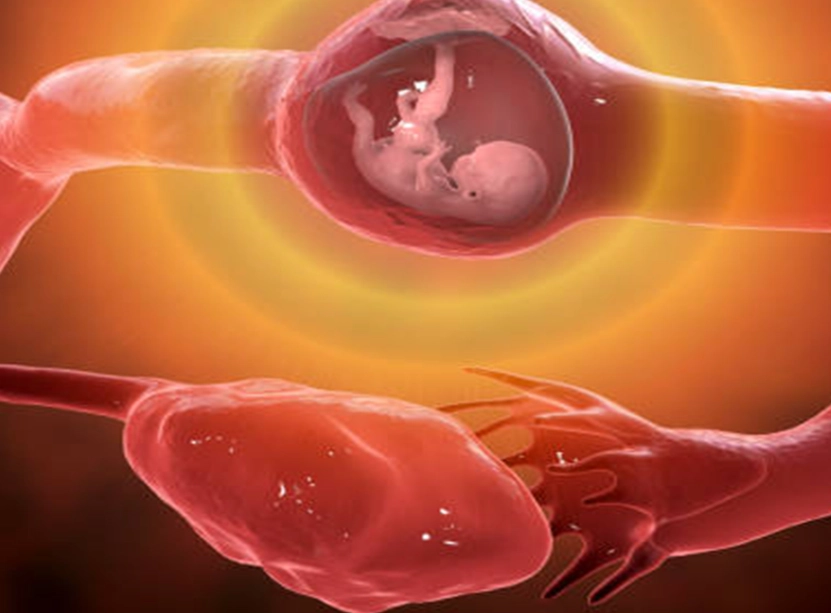
The truth isn't one-size-fits-all, but there is a medical and biological timeline we can follow. The absolute earliest sensations are tied to one specific event: implantation. That's when the fertilized egg burrows into the lining of your uterus. This usually happens between 6 to 12 days after ovulation, with day 8, 9, or 10 being pretty common.
Why the huge range? Your body doesn't start producing the pregnancy hormone hCG (human chorionic gonadotropin) in detectable amounts until after implantation. No hCG, no classic symptoms. It's that simple. So asking "what is the earliest you start feeling pregnancy symptoms?" is really asking "when does my body start reacting to hCG?" And that depends on your personal sensitivity to hormonal shifts and how quickly your hCG levels rise.
The Nitty-Gritty Timeline: From Implantation Onward
Let's break this down day-by-day. I find a timeline helpful, even if it's just a guide. Remember, this is based on averages and typical hormone patterns.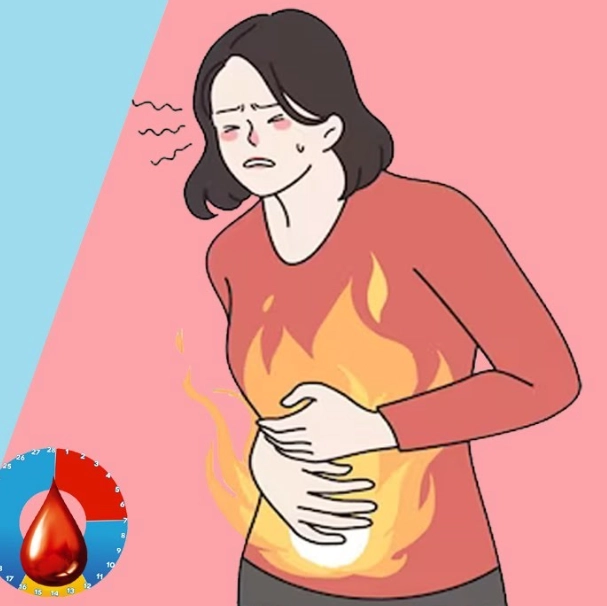
| Days Past Ovulation (DPO) | What's Happening Biologically | Potential Earliest Symptoms You Might Feel | How Common This Is |
|---|---|---|---|
| 6-12 DPO | Implantation Window. The fertilized egg attaches to the uterine lining. | Implantation bleeding/spotting (light pink or brown discharge), mild cramping (different from period cramps for some). | Spotting: ~25-30% of pregnancies. Cramping: Very common but easily confused with PMS. |
| 7-14 DPO | hCG production begins and starts to double every 48-72 hours. | Most women still feel nothing. A small minority with high sensitivity might notice very mild breast tenderness or fatigue. | Feeling anything definitive this early is quite rare. |
| 12-14 DPO | hCG levels are often high enough to turn a sensitive early pregnancy test positive. Missed period expected around 14 DPO. | This is where many first notice changes: tender, swollen breasts, pronounced fatigue, heightened sense of smell, subtle nausea ("queasiness"), frequent urination. | This is the most common timeframe for symptom onset. The question "what is the earliest you start feeling pregnancy symptoms?" is often answered here. |
| Weeks 5-6 | hCG rises rapidly. The placenta begins to form. | Symptoms usually intensify: Morning sickness (which can really be all-day sickness) may begin, food aversions/cravings, noticeable bloating, mood swings. | Classic pregnancy symptoms are in full swing for most. |
See that 12-14 DPO range? That's your ground zero. Before that, it's a whisper. After that, it often becomes a shout.
I remember talking to a friend who swore she knew at 8 DPO because of a "metallic taste" in her mouth. She was right, but honestly, that's more of an outlier story. For every one of her, there are ten women who had zero clue until they peed on a stick after a missed period.
Decoding the Earliest Signs: Symptom Deep Dive
Okay, so you're in the implantation window or just past it. Every little thing feels significant. Let's look at the common early candidates and how they might differ from your regular pre-period feelings.
1. Implantation Bleeding & Cramping: The True Earliest Contenders
These are the only symptoms directly tied to the physical event of implantation. Everything else is a hormonal reaction.
- Implantation Bleeding: This isn't a period. It's usually light spotting—a few drops of pink or brown discharge when you wipe. It lasts a few hours to a couple of days max. It doesn't get heavier. If it turns red and heavy, it's likely your period. The American College of Obstetricians and Gynecologists (ACOG) notes that light spotting in early pregnancy can be common, but it's always worth mentioning to your doctor to rule out other causes. You can read more about causes of bleeding in early pregnancy on the ACOG website.
- Implantation Cramping: These are usually milder than period cramps. Some describe them as a dull ache, light pulling, or tingling in the lower abdomen. They're intermittent, not constant and worsening like menstrual cramps can be.
2. Breast Changes: Tender, Full, Tingly
This is often the first non-implantation symptom women notice. Pregnancy breast tenderness is on another level compared to PMS for many. It's not just soreness; it's a feeling of heaviness, fullness, and extreme sensitivity. The areolas might darken or look bumpy (those are Montgomery's tubercles, and they're normal!). Veins might become more visible. This can start as early as 1-2 weeks after conception for some.
3. Fatigue That Knocks You Out
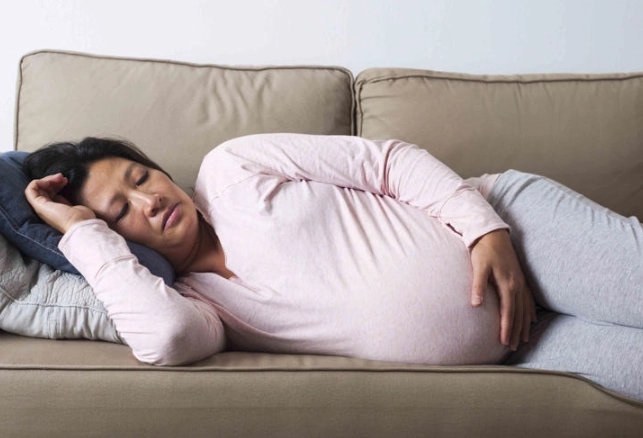
We're not talking about "I need an extra coffee" tired. This is profound, bone-deep exhaustion. You might feel like you could fall asleep at your desk at 2 PM. It's caused by soaring progesterone levels and your body starting the massive project of building a placenta. This can hit hard around the time of your missed period.
4. Nausea (With or Without Vomiting)
Ah, the infamous morning sickness. It rarely waits for a positive test. Early on, it's more of a persistent queasiness or a sudden aversion to a smell (like coffee, meat, or your partner's cologne) that never bothered you before. True vomiting often starts around week 6. The Mayo Clinic has excellent resources on managing this symptom, which they confirm can start as early as two weeks after conception.
So, what is the earliest you start feeling pregnancy symptoms like nausea? For a lucky few, that weird off-feeling can creep in just before the missed period.
5. The Other Usual Suspects (That Also Mimic PMS)
This is where it gets muddy. Bloating, mood swings, mild pelvic cramping, even lightheadedness—these are all classic PMS symptoms too. In early pregnancy, they're caused by progesterone, the same hormone that rises before your period. It's your body's way of keeping things confusing.
Why Your Experience Might Be Totally Different
You might read all this and think, "Well, I felt nothing at all until week 7." That is completely normal and valid. Here’s why the answer to "what is the earliest you start feeling pregnancy symptoms?" is so personal:
- hCG Sensitivity: Some bodies are like finely tuned hCG detectors. Others are more stoic. Your brain's sensitivity to hormonal shifts plays a role.
- Attention & Anxiety: If you're hyper-focused on every sensation (like during the two-week wait), you might notice subtle cues you'd otherwise ignore. Conversely, if you're not expecting pregnancy, you might brush off early signs as stress or an off cycle.
- Underlying Health & Lifestyle: Conditions like PCOS, stress levels, sleep quality, and general health can mask or mimic symptoms.
- It's Your First vs. Subsequent Pregnancy: Many women report noticing symptoms earlier in second or third pregnancies. You know your body's baseline better and can recognize deviations more quickly.
The short paragraph.
And sometimes, there's just no good reason. Bodies are weird and wonderful like that.
Red Flags: When Early Symptoms Signal Something Else
While we're focused on the earliest signs of pregnancy, it's crucial to know when to switch gears from anticipation to contacting a doctor. Some "symptoms" aren't normal early pregnancy signs.
- Severe one-sided abdominal pain: This could indicate an ectopic pregnancy, a medical emergency.
- Heavy bleeding: Bleeding that fills a pad, is bright red, or is accompanied by clots.
- Severe dizziness or fainting.
- Sharp, persistent pelvic pain.
Your Burning Questions, Answered
Can you feel pregnancy symptoms before a missed period?
Absolutely, yes. For many women, the 2-3 days leading up to their expected period is when subtle symptoms begin. Fatigue, breast tenderness, and nausea are the most common pre-missed-period guests. But can you feel them at 7 DPO? It's biologically possible but statistically less likely.
What is the earliest you can take a pregnancy test?
This is the practical companion to the symptom question. Some ultra-sensitive tests (that detect 10 mIU/mL of hCG) can theoretically give a positive result as early as 7-8 DPO if implantation happened early and your hCG is rising quickly. But for the most accurate, heartbreak-avoiding result, testing on or after the day of your missed period is the gold standard. Testing too early can give a false negative, which is just emotional torture.
Is it possible to be pregnant with zero symptoms?
100% yes. A complete lack of early symptoms does not mean you're not pregnant. Some women sail through the first trimester with barely a blip. Consider yourself lucky if that's you! Symptom severity is not an indicator of pregnancy health.
How can I tell the difference between early pregnancy symptoms and PMS?
This is the million-dollar question. Honestly, it's often impossible to tell them apart definitively before a positive test. However, pregnancy symptoms tend to be more intense (that next-level breast pain, the profound fatigue) and persistent (they don't go away when your period is due, they stay or intensify). Tracking your basal body temperature (BBT) can help—if your temperature stays elevated for 18+ days after ovulation, that's a strong sign. But really, the test is the only decoder ring.
What is the earliest you start feeling pregnancy symptoms in your second pregnancy?
This is a great question. Many, many women report feeling symptoms earlier and more acutely in subsequent pregnancies. You might notice bloating, fatigue, or breast tenderness just a week after conception. Your body has been through it before and seems to recognize the hormonal shift faster. It's like a seasoned veteran versus a new recruit.
The Bottom Line: Patience & a Test
So, after all that, what's the final answer to "what is the earliest you start feeling pregnancy symptoms?"
For the vast majority of women, the recognizable, consistent symptoms begin around the time of a missed period (about 14 days after ovulation). A smaller group might notice subtle hints in the days just before that. A rare few might have implantation-specific signs around 6-10 DPO.
The journey to finding out is a mix of biology, patience, and a bit of luck. Your body will tell its story on its own schedule. Listen to it, but don't let the symptom-spotting consume you. The most reliable early sign of pregnancy isn't a cramp or a wave of nausea—it's a positive pregnancy test, confirmed by a healthcare provider.
Hang in there. The wait is the hardest part.
Reader Comments