You just looked at your pregnancy app or your doctor's notes. It says you're 12 weeks pregnant. A quick mental calculation—12 divided by 4 equals 3—so you must be 3 months pregnant, right? Hold on. If you ask your doctor, they might say you're at the end of your third month or just entering the fourth. This tiny discrepancy causes massive confusion. Let's settle it. Technically, at 12 weeks, you are not quite 3 full calendar months pregnant. You're in the final week of the third month. The reason is simple but rarely explained: pregnancy is tracked in weeks, not months, because months are messy and inconsistent in length. Your 12-week ultrasound is the real milestone everyone's talking about, and it has little to do with month labels and everything to do with your baby's health.
What's Inside This Guide?
The Pregnancy Math That Confuses Everyone (And How to Get It Right)
We're taught that a month is about 4 weeks. 4 x 3 = 12. Seems airtight. But here's the catch most websites don't mention: a calendar month averages 4.345 weeks. Think about it—February has 28 days (4 weeks), while July has 31 days (over 4.4 weeks). When medical professionals say "first trimester," they mean weeks 1-13. The second trimester begins at week 14. So, at 12 weeks, you're still in the first trimester, wrapping up month 3.
The American College of Obstetricians and Gynecologists (ACOG) standardizes dating from the first day of your last menstrual period (LMP), not from conception. This adds about two "phantom" weeks before you even ovulate. So when you see "12 weeks pregnant," your baby's actual fetal age is closer to 10 weeks from conception. This LMP method is why the month calculation feels off.
Here's a clearer way to think about it: Don't force the week-to-month conversion. Your healthcare team doesn't. They live and breathe by the week count because fetal development is a weekly script. Saying you're "12 weeks" gives them precise, actionable information. Saying you're "almost 3 months" is vague. Focus on the week. It's your pregnancy's universal language.
What Really Happens at Your 12-Week Ultrasound?
Forget the month debate. The 12-week scan is where the magic—and the medicine—happens. This is often the first detailed look at your baby, and the emotional impact is huge. It's not just a blurry blob anymore.
You'll lie back, the sonographer will apply some warm gel, and glide a transducer over your abdomen. If your uterus is still tucked behind your pelvic bone (common in first pregnancies), they might use a transvaginal probe for a clearer image. Don't stress; it's uncomfortable but not painful.
The scan has two main parts: the exciting "meet your baby" part and the crucial medical screening part.
The Medical Screening: The Nuchal Translucency (NT) Scan
This is the core of the 12-week ultrasound. The sonographer takes a very precise measurement of the fluid-filled space at the back of your baby's neck. This is the nuchal translucency. All babies have some fluid there, but an increased measurement can be a soft marker for certain chromosomal conditions, like Down syndrome (Trisomy 21).
It's critical to understand: An increased NT measurement is NOT a diagnosis. It's a risk assessment tool. The measurement is combined with a blood test (the first part of the integrated or combined screening) and your age to calculate a probability. I've seen many parents spiral into anxiety over a slightly thick NT scan, only to have a perfectly healthy baby. The scan is a piece of a puzzle.
The "Wow" Factor: What You'll Actually See
While the tech is taking measurements, you'll get to watch. At 12 weeks, your baby looks undeniably human.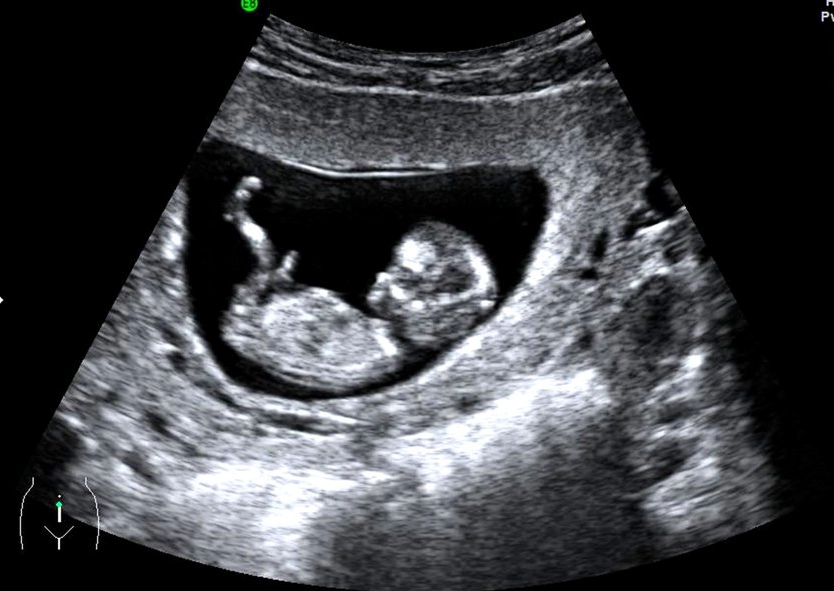
| What You Can See | What It Means |
|---|---|
| A distinct, rounded head | The brain is developing rapidly. |
| Arms and legs with tiny hands and feet | Your baby is moving, maybe even waving or kicking, though you might not feel it yet. |
| A flickering heartbeat | The heart is fully formed and beating between 120-160 beats per minute. They'll measure this. |
| The nasal bone | The presence of a visible nasal bone is another soft marker screened for. |
| The stomach and bladder | They're starting to function! The baby swallows amniotic fluid. |
You might also get confirmation if you're having twins (or more!). This scan checks for separate amniotic sacs and placentas, which is vital information for your care.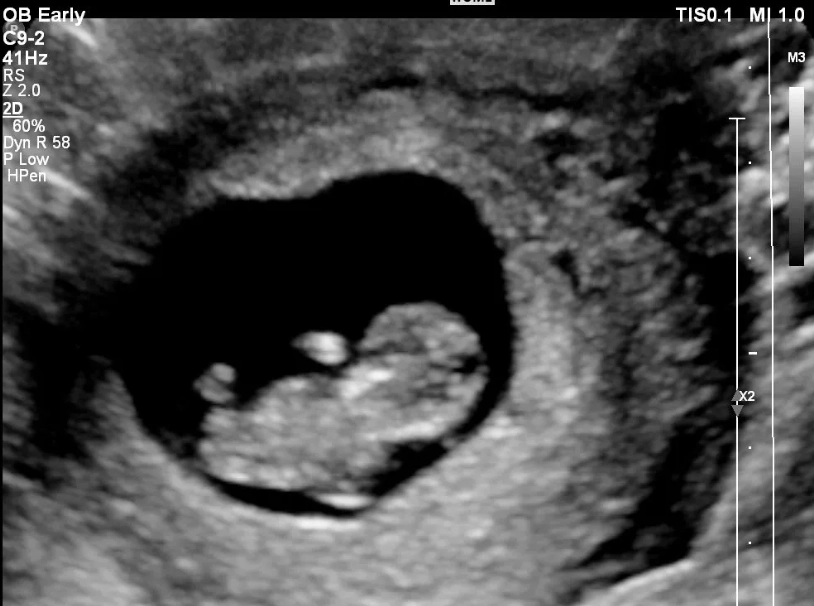
Why This Scan is More Critical Than You Might Think
Beyond the emotional high, the 12-week ultrasound provides non-negotiable medical data that guides the rest of your pregnancy.
First, it confirms your due date with much greater accuracy. Early ultrasounds (before 14 weeks) are the gold standard for dating a pregnancy. They measure the baby from crown to rump (CRL). If this measurement differs by more than 5-7 days from your LMP date, your due date will be officially changed. I've had my own due date adjusted by 5 days based on this scan—it's incredibly common, especially if your cycles aren't a perfect 28 days.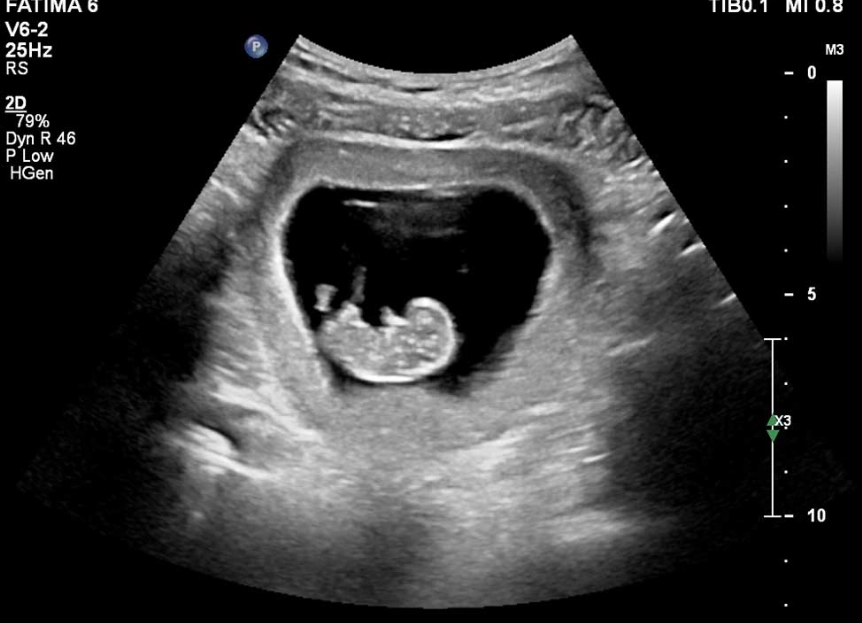
Second, it's a major anatomy check. The sonographer is verifying that all the major structures are forming in the right place. They check the brain, the abdominal wall, the insertion of the umbilical cord, and the spine. Finding certain major issues early allows for more time for counseling, planning, and specialized care.
Third, it assesses your own anatomy. They look at your uterus and ovaries for any cysts or fibroids that could affect the pregnancy. They check the location of the placenta. Is it low-lying? That's something to monitor later.
Think of this scan as the foundational report for your pregnancy. It sets the baseline. Everything that follows—the 20-week anatomy scan, growth scans—will be compared back to the story that began at 12 weeks.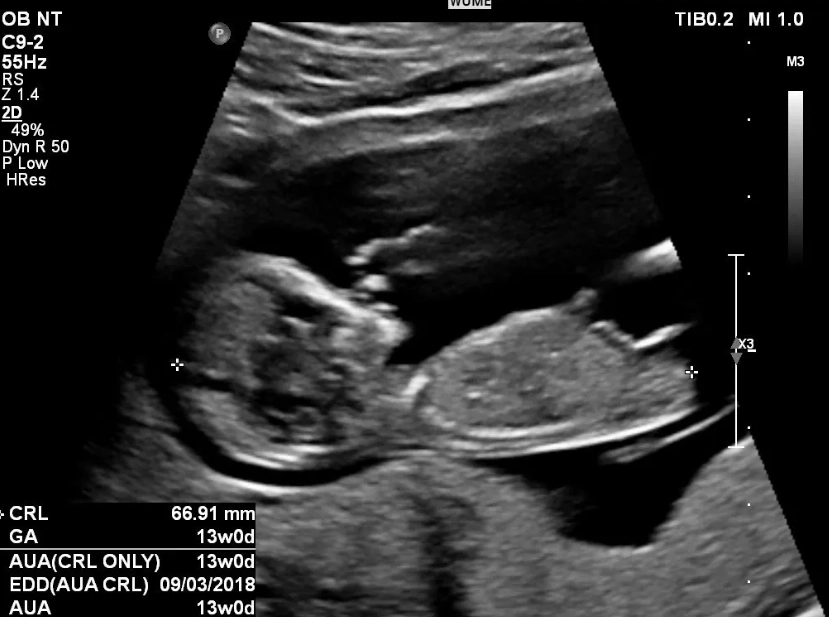
Your Top Questions, Answered by Experience
So, are you 3 months pregnant at 12 weeks? By the strict, clinical definition, you're finishing up month three. But the number that truly matters is 12. It marks the end of the highest-risk period for miscarriage, the beginning of the end of first-trimester symptoms for many, and your ticket to one of the most informative and emotional checkpoints of the entire journey. Let go of the month debate. Embrace the week. And walk into that ultrasound room knowing you're about to get the first real chapter of your baby's story.
Reader Comments