That positive test result sends a jolt of excitement—and often, a wave of anxiety. The first trimester is a black box. You can't see or feel your baby yet, and you're left scrutinizing every twinge and symptom, wondering, "Is this normal? Is everything okay?" I remember that feeling vividly. Looking for good signs of a healthy pregnancy becomes a daily obsession. Let's cut through the noise. Here’s a straightforward look at what those signs often are, why they happen, and when you can take a deep breath.
What This Article Covers
What Are the Most Common Signs of a Healthy First Trimester?
These symptoms are common because they're typically driven by rising levels of pregnancy hormones, primarily human chorionic gonadotropin (hCG) and progesterone. Their presence often, but not always, indicates that the hormonal engine of pregnancy is running. Let's break them down.
Morning Sickness and Nausea
It's the poster child of early pregnancy for a reason. Up to 80% of women experience it. The queasiness, the food aversions (goodbye, chicken), the sudden need to dry heave at a certain smell—it's miserable, but it's often a strong sign of robust hormone production. Research, including studies referenced by the American College of Obstetricians and Gynecologists (ACOG), has shown a correlation between nausea and vomiting and a lower risk of miscarriage.
Think of it this way: your body is working overtime to build the placenta and support the embryo. That takes a massive hormonal surge. Your body's reaction to that surge is the nausea.
Fatigue That Knocks You Out
This isn't ordinary tiredness. This is "I could fall asleep at my desk at 2 PM" or "making dinner feels like running a marathon" exhaustion. It usually peaks around weeks 9-10. Your body is using enormous energy to create a new organ (the placenta) and support rapid fetal cell division. Progesterone also has a natural sedating effect.
If you're sleeping more than usual and still feel drained, it's likely a sign your body is deeply invested in the pregnancy process. Listen to it. Rest.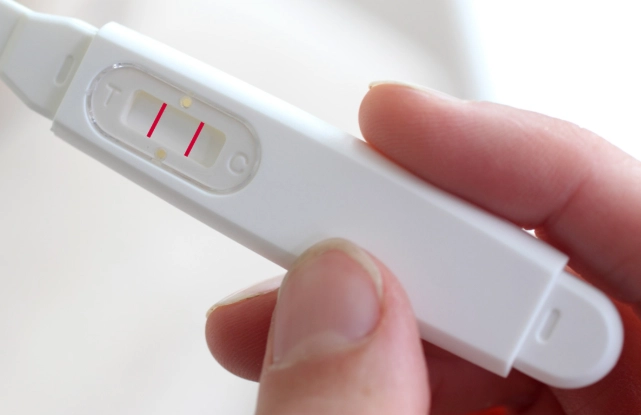
Breast Tenderness and Changes
Your breasts may feel swollen, sore, tingly, or heavy. The areolas (the area around the nipple) often darken and may develop small bumps called Montgomery's tubercles. This is all preparation for breastfeeding, driven by estrogen and progesterone. It's one of the most consistent physical cues that significant hormonal shifts are underway.
Increased Urination
Even before your uterus is big enough to press on your bladder, the pregnancy hormone hCG increases blood flow to your pelvic area and kidneys, making you feel the need to go more often. It's an early and persistent sign for many.
"Feeling" Pregnant
This is vague but real. Many women describe a heightened sense of smell, mood swings (thanks, hormones!), bloating, and mild cramping or pulling sensations (often due to ligament stretching as the uterus grows). These subjective feelings, while not measurable, align with the physiological changes of a developing pregnancy.
| Symptom | What It Often Indicates | Typical Onset |
|---|---|---|
| Nausea/Vomiting | High, rising levels of hCG hormone | Weeks 4-9 |
| Profound Fatigue | High progesterone & metabolic demands of building placenta | Weeks 5-10 |
| Breast Tenderness | Estrogen & progesterone preparing mammary glands | Weeks 4-6 onward |
| Frequent Urination | Increased pelvic blood flow from hCG | Weeks 4-6 onward |
Beyond Symptoms: Confirming a Healthy Pregnancy
Symptoms are clues, but medical confirmation is the gold standard. Here’s what your healthcare provider is looking at.
Prenatal Appointments and Blood Tests: Your provider will track the rise of hCG in your blood. In a healthy early pregnancy, hCG should roughly double every 48-72 hours. They'll also check progesterone levels, which are crucial for maintaining the uterine lining.
The First Ultrasound (Around 8 Weeks): This is the big one. A healthy sign here includes:
- A gestational sac and yolk sac visible in the uterus.
- A fetal pole with a measurable crown-rump length.
- A strong, detectable fetal heartbeat. Seeing that flicker on the screen is often the most powerful reassurance. According to ACOG guidelines, once a heartbeat is detected, the risk of miscarriage drops significantly.

How Can I Support a Healthy First Trimester?
You can't control everything, but you can create a supportive environment. Think of it as laying the strongest possible foundation.
Nutrition is Non-Negotiable: Even if you're surviving on crackers and ginger ale, try to sneak in what you can. The key player is folic acid (at least 400-800 mcg daily) to prevent neural tube defects. Start this even before conception if possible. Good sources include leafy greens, fortified cereals, and lentils. The Centers for Disease Control and Prevention (CDC) has extensive resources on folic acid importance. Iron and calcium are also critical now.
Hydrate, Hydrate, Hydrate: Dehydration can worsen nausea and fatigue. Sip water, herbal teas, or electrolyte drinks throughout the day.
Listen to Your Body on Rest: If you're tired, sleep. Your body is doing critical work. Pushing through can increase stress hormones, which isn't helpful.
Eliminate Toxins: Stop alcohol, smoking, and recreational drugs immediately. Discuss all medications and supplements with your provider. Avoid changing cat litter (risk of toxoplasmosis) and certain strong chemicals.
Red Flags: When to Contact Your Healthcare Provider
Severe Abdominal Pain or Cramping: Mild pulling is normal. Sharp, persistent, one-sided, or cramping accompanied by bleeding is not.
Heavy Vaginal Bleeding: Spotting can be normal (especially around the time your period would have been due), but bleeding that fills a pad is a concern.
Severe Nausea and Vomiting (Hyperemesis Gravidarum): If you can't keep any food or liquids down for 24 hours, are losing weight, or feel dizzy/lightheaded, you need medical attention to avoid dehydration.
Sudden Loss of Pregnancy Symptoms: If all your symptoms (like intense nausea and sore breasts) vanish completely overnight, especially before 8-10 weeks, it's worth a call to your provider for a check-in. Sometimes symptoms just ease up, but a dramatic change can be a signal.
Painful or Burning Urination: Could indicate a UTI, which needs treatment.
A Note on the Absence of Symptoms
This causes so much anxiety, and it's rarely discussed enough. Here's the expert take: Having no symptoms does NOT mean your pregnancy is unhealthy.
Every woman and every pregnancy is different. Some bodies simply tolerate the hormonal shifts with fewer outward protests. I've known women with virtually symptom-free first trimesters who went on to have perfectly healthy babies. The key is not to compare your experience to anyone else's.
Your confirmation comes from medical tests—the blood work and the ultrasound—not from how nauseous you feel. If you have no symptoms, consider yourself lucky on the comfort front, and let your provider's monitoring be your guide.
Your First Trimester Questions, Answered
Is it normal to have no symptoms in the first trimester?
It can be. Up to 20-30% of women report minimal or no classic symptoms like nausea. A healthy pregnancy is still possible with strong hormone levels and a normal ultrasound. The absence of symptoms alone isn't a red flag, but it's crucial to have your prenatal appointments to confirm well-being through other means.
What should I do if my morning sickness suddenly stops at 8 weeks?
A sudden, complete stop can be within the normal range of symptom fluctuation, but it's wise to mention it to your provider. They might check your hormone levels or schedule a scan for peace of mind. Don't panic, but do communicate the change. It's better to have it noted and checked than to worry silently.
How soon in the first trimester should I see a doctor or midwife?
The standard recommendation is between 8 and 10 weeks of pregnancy. This timing allows for a more definitive ultrasound to confirm viability, check for a heartbeat, and accurately date the pregnancy. Calling to schedule that first appointment as soon as you get a positive test is one of the best first steps you can take.
Can I exercise during the first trimester if I'm feeling exhausted?
Yes, but scale it way back. Swap high-intensity workouts for gentle walks, prenatal yoga, or swimming. The goal is movement, not fitness gains. Listen to your body—if you need a 3-hour nap instead of a walk, take the nap. Consistency with very light activity is more beneficial than pushing through fatigue, which can backfire.
Reader Comments