When you find out you're pregnant, the excitement is real—but so is the overwhelm. Suddenly, there's a million things to think about, and everyone's giving you advice. I've been there twice, and let me tell you, not all that advice is useful. What you really need are practical items that make the journey smoother, not just a bunch of stuff that clutters your home. This list comes from my own experience and chats with other moms, focusing on what actually helps during those nine months.
Your Quick Guide to Pregnancy Must-Haves
Comfortable Maternity Clothes
Let's start with the obvious—your body changes fast. By the second trimester, regular jeans feel like torture devices. I made the mistake of holding out too long, thinking I could squeeze into my old clothes. Bad idea. The key is to invest in a few versatile pieces early on. Look for maternity leggings with a soft, stretchy band—brands like Motherhood Maternity or H&M have affordable options around $20-$30. Don't forget tops with side ruching; they grow with your bump and can be worn postpartum too. A common oversight? Maternity bras. Your ribcage expands, so get measured properly. I skipped this and ended up with back pain. Trust me, comfort here isn't a luxury; it's a necessity for daily sanity.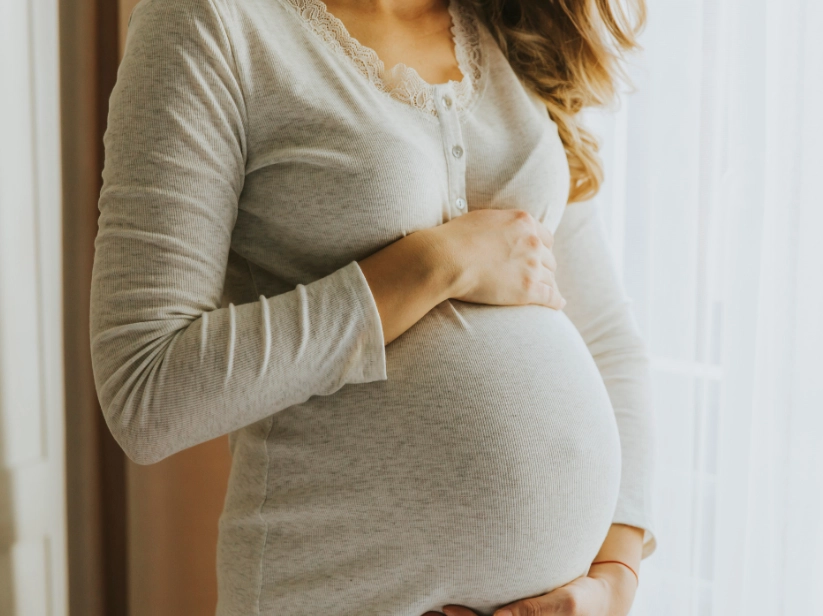
How to Choose the Right Fit
Go for fabrics like cotton or bamboo blends—they breathe better, especially during hot flashes. Avoid synthetic materials that trap sweat. And size up early; it's better to have room than feel constricted.
Prenatal Vitamins
This one's non-negotiable, but it's not just about popping any pill. Prenatal vitamins fill nutritional gaps, especially folic acid, which prevents neural tube defects. The American College of Obstetricians and Gynecologists recommends starting them before conception if possible. I used a generic brand initially, but switched to one with added DHA after my doctor pointed out its benefits for baby's brain development. Prices range from $10 to $30 per month. Check for iron content too—anemia is common in pregnancy. If you have nausea, gummy versions might be easier on your stomach, though they often lack iron. It's a balancing act; consult your healthcare provider to pick the right one for you.
Pro tip: Take your vitamins with a small snack to reduce nausea. I found that taking them at night helped me sleep through any discomfort.
Pregnancy Pillow
Sleep becomes a battle as your belly grows. A pregnancy pillow isn't just a fancy accessory—it's a game-changer for back and hip pain. I resisted buying one, thinking regular pillows would do. They didn't. The U-shaped ones provide full-body support, costing around $50-$100. Brands like PharMeDoc or Queen Rose get good reviews. But here's a subtle error many make: choosing a pillow that's too firm. It should cradle you without pushing your spine out of alignment. If you're a side sleeper, a C-shaped pillow might suffice. I ended up using mine postpartum for breastfeeding support, so it's a long-term investment. Skip the cheap foam versions; they flatten quickly and offer little relief.
Hydration Bottle
Staying hydrated is crucial, but drinking enough water feels like a chore when you're running to the bathroom every hour. A dedicated hydration bottle with measurements can help. I got a 32-ounce insulated one from Hydro Flask—it keeps water cold for hours, which made sipping more appealing. Aim for at least 8-10 glasses a day. Dehydration can lead to contractions or urinary tract infections, something my friend experienced because she underestimated her needs. Track your intake with bottle markers or an app. It sounds simple, but in the chaos of pregnancy, it's easy to forget. A good bottle costs $20-$40, but it's worth it for your health and baby's.
Supportive Footwear
Your feet swell, sometimes a full size bigger. I learned this the hard way when my favorite sneakers left marks. Supportive footwear with arch support and room for swelling is essential. Look for brands like Birkenstock or Skechers with memory foam. Avoid flat shoes like ballet flats—they offer no support and can worsen back pain. During my second pregnancy, I invested in a pair of orthotic sandals for around $60, and my feet thanked me. Also, consider compression socks if you're on your feet a lot; they improve circulation and reduce swelling. Don't wait until you're uncomfortable; buy shoes early in the second trimester when changes start.
Healthy Snacks
Pregnancy hunger hits hard and fast. Without healthy snacks on hand, you might reach for junk food. I kept a stash of almonds, Greek yogurt, and fruit in my bag. It helped with nausea and kept my energy stable. Focus on protein and fiber—they keep you full longer and support baby's growth. Pre-pack snacks in portion-controlled containers to avoid overeating. A common mistake? Relying on sugary snacks that cause energy crashes. Try hummus with veggies or whole-grain crackers. Stock up on non-perishables like nuts and dried fruit for emergencies. It's not about dieting; it's about fueling your body smartly.
Pregnancy Journal
This might seem sentimental, but a pregnancy journal is more than just a diary. It helps track symptoms, appointments, and emotions—things you'll forget later. I used a simple notebook to jot down cravings, kicks, and doctor's notes. It became invaluable when discussing concerns with my OB. Some journals include prompts for milestones, like first ultrasound dates. You can find them on Amazon for $10-$20. If you're not into writing, use a digital app like BabyCenter, but I found the physical act of writing more therapeutic. It's also a keepsake to share with your child someday. Don't pressure yourself to write daily; even weekly entries capture the journey.
Relaxation Tools
Stress affects both you and the baby, so relaxation tools are a must. I tried meditation apps like Headspace—their pregnancy-specific sessions helped with anxiety. Other options include prenatal yoga videos on YouTube or a simple heating pad for sore muscles. A white noise machine can improve sleep quality. But here's a non-consensus view: avoid over-relying on technology. Sometimes, just sitting quietly or taking a walk works better. I bought a fancy massage gadget that collected dust; simple deep breathing exercises were more effective. Find what works for you, whether it's a $5 meditation app or a free nature sound playlist. The goal is to create calm moments amid the chaos.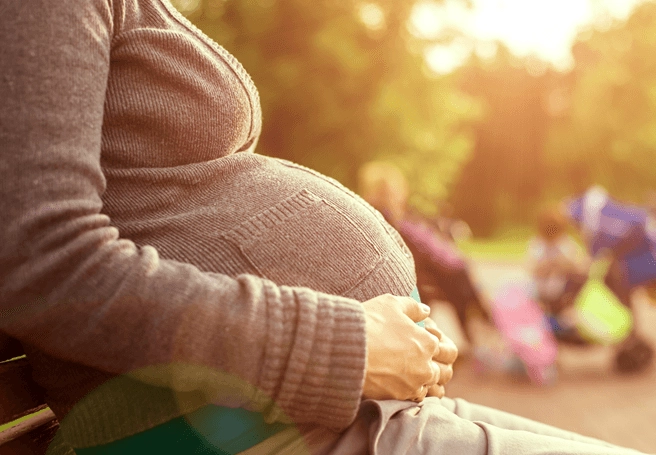
Medical Supplies
Beyond regular check-ups, having basic medical supplies at home provides peace of mind. A blood pressure monitor is useful if you're at risk for preeclampsia—my doctor recommended monitoring it weekly. Thermometer, prenatal heart rate Doppler (though use it sparingly to avoid anxiety), and a first-aid kit are good additions. I also kept a supply of antacids and safe pain relievers like acetaminophen, as approved by my doctor. Costs vary; a decent BP monitor runs $30-$50. Don't self-diagnose, but being prepared helps you act quickly if issues arise. Check resources like the Mayo Clinic website for reliable information on safe medications during pregnancy.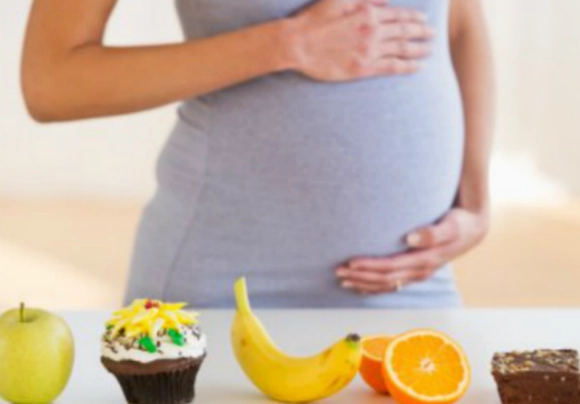
Support Network
Last but not least, a support network isn't a physical item, but it's essential. This includes your partner, family, friends, and online communities. During my first pregnancy, I felt isolated until I joined a local mom group. We shared tips and vented about struggles. Look for groups on Facebook or apps like Peanut. Also, don't hesitate to ask for help with chores or errands—pregnancy is exhausting. A common pitfall is trying to do it all alone. Build your village early; it makes a huge difference mentally and physically. If you can afford it, consider a doula for extra support during labor.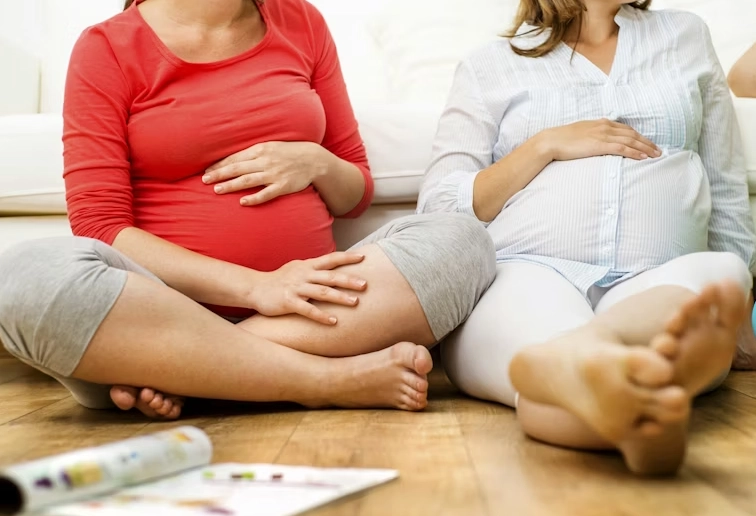
Reader Comments