You know the classic sign – a missed period. But what about the whispers your body might be sending weeks before that happens? The truth is, your body can start signaling a pregnancy incredibly early, sometimes just days after conception. These hidden pregnancy signs before a missed period are often subtle, easy to dismiss as PMS, stress, or a mild bug. Spotting them requires tuning into changes you might normally overlook.
I remember a friend texting me, convinced she had a weird flu because she was so tired and her coffee suddenly tasted metallic. Her period wasn't due for another week. A few days later, a test confirmed it. That's the tricky part – these early symptoms are masters of disguise.
What's Inside This Guide
The Physical Clues: From Breasts to Bathroom Trips
Let's break down the most common physical hints. The key is timing and combination. Experiencing one in isolation likely means little. A cluster of two or more, especially if they feel different from your usual pre-period routine, is worth noting.
1. Breast Tenderness That Feels Different
Yes, sore breasts are a classic PMS symptom. But early pregnancy tenderness often has a distinct quality. It's not just soreness; it can be a pronounced heaviness, fullness, or tingling sensation. The areolas (the darker area around the nipple) might darken slightly or look bumpier (those are Montgomery's tubercles, and they're getting ready for a potential feeding job). The veins on your breasts might also become more visible. The soreness from PMS usually eases once your period starts. Early pregnancy tenderness tends to persist and may even intensify.
2. Implantation Bleeding or Cramping
This is a big one that causes a lot of confusion. About 6-12 days after conception, the fertilized egg burrows into the uterine lining. This can cause:
- Spotting: Very light pink or brown discharge, not enough to fill a pantyliner. It lasts 1-3 days, max. This is often mistaken for a very light, early period.
- Cramping: Mild, dull cramps that feel different from typical menstrual cramps. They're often described as a pulling or tingling sensation low in the abdomen.

A common mistake: People often think "implantation bleeding" means noticeable bleeding. In reality, for most who experience it, it's just a few drops of light spotting you might only see when wiping. If you're filling a pad, it's likely your period or something else that needs a doctor's attention.
3. Fatigue That Knocks You Out
This isn't ordinary "I had a long day" tiredness. It's a profound, bone-deep exhaustion that can hit you out of nowhere. You might struggle to get through your workday or find yourself needing a nap at 3 PM for no apparent reason. Your body is working overtime building the placenta and pumping more blood, fueled by the hormone progesterone, which has a sedative effect.
4. Nausea (With or Without Vomiting)
"Morning sickness" is a misnomer. It can strike any time of day or night, and for some, it starts as a constant, low-grade queasiness or a sudden aversion to smells or foods you usually love (like that coffee my friend couldn't stand). This can begin as early as two weeks after conception.
5. Frequent Urination
You might find yourself running to the bathroom more often, even at night. This isn't because the baby is pressing on your bladder (it's way too tiny!). It's due to increased blood flow to your kidneys and the pregnancy hormone hCG.
How to Tell Early Pregnancy Signs from PMS?
This is the million-dollar question. The symptom lists look nearly identical. The devil is in the details. Track your cycle and know your normal. Does your PMS usually involve breast pain? If yes, does this month's feel sharper or more persistent? Do you usually get tired, or are you practically narcoleptic?
Here’s a subtle but telling difference I’ve observed: PMS-related mood swings often involve irritability and sadness. Early pregnancy mood swings can be more... dramatic and unpredictable. One minute you're crying at a dog food commercial, the next you're euphorically happy for no reason. The hormonal shift is more abrupt.
The ultimate differentiator, of course, is time. PMS symptoms subside when your period arrives. If your period doesn't show up and these symptoms continue or intensify, the pregnancy likelihood goes up.
The Emotional & Sensory Overload: Mood Swings and Super Smell
Beyond the physical, your brain and senses are on a wild ride thanks to surging hormones.
Emotional Rollercoaster: You might feel unusually weepy, anxious, or irritable. Or conversely, experience bursts of unexplained joy. It feels less like "I'm in a bad mood" and more like your emotions have been hijacked and the controls are broken.
Heightened Sense of Smell: This is a huge one many articles gloss over. Suddenly, the smell of your partner's deodorant is nauseating. You can smell onions from three rooms away. The perfume you've worn for years smells chemically and awful. This hyperosmia is a very common, very early sign that's hard to attribute to anything else.
Metallic Taste: Some women report a persistent metallic or sour taste in their mouth, even when they haven't eaten anything.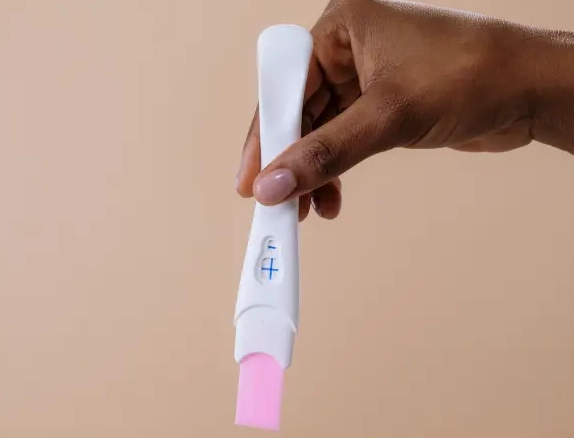
Important Note: The absence of these signs means absolutely nothing. Many healthy pregnancies have zero noticeable symptoms before a missed period. Don't worry if you feel completely normal. Conversely, having many symptoms doesn't guarantee pregnancy—they could be PMS or another condition. Only a pregnancy test and a doctor can confirm.
I Think I See Signs: What Should I Do Next?
So you've ticked a few boxes. Now what? Don't panic. Follow a logical next-step plan.
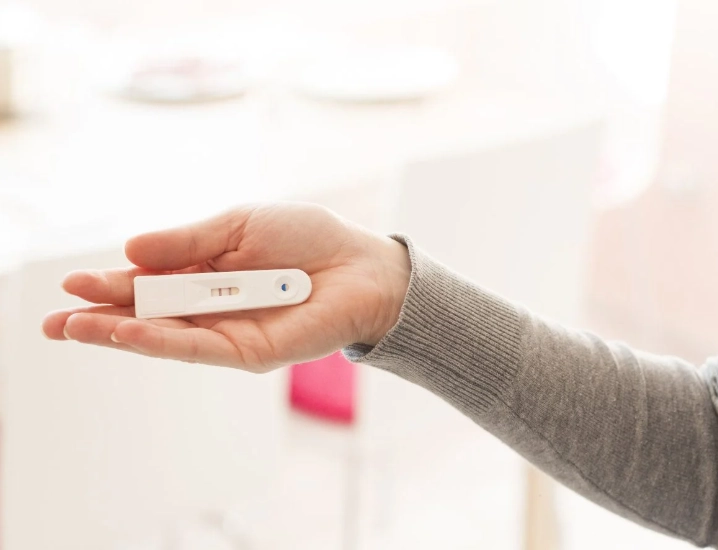
- Don't Test Too Early. This is the hardest part. Most home pregnancy tests detect the hormone hCG in your urine. Your body needs time to produce enough for the test to catch. Testing the day after you suspect implantation is almost always a waste of a test and causes unnecessary stress. For the most reliable result, wait until the first day of your expected period, or at least 12-14 days after ovulation/conception.
- Take Care of Yourself. Act as if you could be pregnant. Avoid alcohol, limit caffeine, skip any risky medications (check with a pharmacist), and eat nourishing foods. Start or continue taking a prenatal vitamin with at least 400 mcg of folic acid, which is crucial for early neural tube development.
- Take a Test. On the day your period is due, use a home pregnancy test with your first-morning urine (it's most concentrated). Follow the instructions exactly. A digital test that says "Pregnant" or "Not Pregnant" can eliminate the squinting-at-lines anxiety.
- See a Doctor. If your test is positive, schedule an appointment with your OB-GYN or a clinic. They will confirm the pregnancy and start your prenatal care. If your test is negative but your period still doesn't arrive in a week, test again. Sometimes ovulation was later than you thought.
Your Burning Questions Answered
The period before the missed period is a time of quiet anticipation and bodily whispers. Learning these hidden pregnancy signs empowers you to listen more closely. Whether you're hoping for a positive or a negative result, understanding these early signals gives you a head start on taking care of yourself and making informed decisions. Pay attention, be patient with the testing process, and when in doubt, connect with a healthcare provider who can help you navigate the journey.
Reader Comments