In This Guide
Let's be real. That little window of time between thinking you might be pregnant and actually knowing is a weird mix of excitement, nerves, and a whole lot of Googling. You start noticing every little twinge in your body, wondering, "Is this it? Is this a sign?" It's enough to make anyone feel a bit crazy. I remember a friend of mine spent days convinced her increased sense of smell was just a new allergy, only to find out later it was one of her first clues.
So, if you're here asking yourself, "What are 5 early pregnancy symptoms?" you're in the right place. We're going to cut through the noise and talk about the real, most common signs that show up in those first few weeks. This isn't about rare or dramatic symptoms, but the subtle (and sometimes not-so-subtle) shifts your body goes through as it starts the incredible work of building a tiny human.
It's crucial to remember one thing right off the bat: every single person and every single pregnancy is different. You might get all the symptoms, or just one, or a unique combination. Some women feel profoundly different the moment they conceive, while others cruise through the first month barely noticing a thing. There's no "right" way to feel. The goal here is to give you a clear, honest map of the terrain so you know what to potentially expect.
The Top 5 Early Pregnancy Symptoms You Should Know
Alright, let's get into it. When we talk about early pregnancy, we're usually referring to the first trimester, and more specifically, those first 4-8 weeks after conception. The symptoms are largely driven by a rapid surge in hormones, primarily progesterone and human chorionic gonadotropin (hCG). These hormonal shifts are what trigger the physical changes we notice.
Based on medical consensus from sources like the American College of Obstetricians and Gynecologists (ACOG) and patient-reported experiences, here is a breakdown of the five most frequently reported early signs.
A Missed Period
This is the classic one, the headline act. For most women with regular cycles, a missed period is the first big red flag (or rather, a hopeful green light) that prompts a pregnancy test. It happens because after the egg is fertilized and implants in the uterine lining, your body gets the signal to keep producing progesterone. This hormone's job is to maintain that rich lining to support the pregnancy, which means it doesn't shed – so, no period.
But here's where it gets tricky. It's not always a clean-cut sign.
- Irregular Cycles: If your cycle isn't like clockwork, a "missed" period might just be your norm. Stress, significant weight change, or conditions like PCOS can also throw your cycle off track.
- Implantation Bleeding: Some women experience light spotting or bleeding around the time their period is due, which is caused by the fertilized egg burrowing into the uterine wall. It's usually lighter, shorter, and a different color (often pink or brown) than a regular period. This trips a lot of people up.
I've heard from so many women who dismissed early pregnancy because they had what they thought was a light period. If the bleeding seems off from your usual pattern, it's worth noting.
So, while a missed period is a major sign, it's best viewed in context with other symptoms. It's the most reliable indicator for many, but it's not a standalone guarantee.
Fatigue That Hits Different
We're not talking about feeling a bit tired after a long day. This is a deep, bone-weary exhaustion that can feel overwhelming. You might find yourself struggling to get through your normal day, desperate for a nap by 2 PM, or falling asleep on the couch at 8 PM. I'm talking about the kind of fatigue where even thinking about making dinner feels like a monumental task.
Why does this happen? Your body is working overtime. Progesterone levels skyrocket, and that hormone has a sedative effect. More importantly, your body is starting to build the placenta, which is an energy-intensive process. Your blood volume is also beginning to increase, and your heart is pumping harder – all of this takes a massive amount of energy.
This fatigue often appears suddenly, around week 4 or 5. It's one of those symptoms that can be mistaken for the flu, burnout, or just a rough week. But when it's paired with other signs, it paints a clearer picture.
Pro Tip: If you're hit with unexplained, profound fatigue, listen to your body. Rest when you can. This isn't laziness; it's your body directing resources to a critical project. Pushing through it often just makes you feel worse.
Nausea (With or Without Vomiting)
Ah, "morning sickness." That term is almost a misnomer because for many, it can strike at any time – morning, noon, or night. For some, it's just a persistent, low-grade queasiness. For others, it's intense nausea leading to vomiting. The spectrum is wide.
The exact cause isn't 100% pinned down, but it's strongly linked to rising hCG and estrogen levels. A sensitive sense of smell often accompanies it, where previously neutral smells (like coffee, perfume, or certain foods) suddenly become intolerable triggers.
It typically kicks in between weeks 4 and 6 and peaks around week 9. The Mayo Clinic notes that while unpleasant, mild to moderate nausea is often considered a sign of a healthy pregnancy, as it indicates robust hormone production.
Managing it can be a game of trial and error: eating small, frequent bland meals (crackers by the bed are a classic for a reason), staying hydrated, ginger, and avoiding known triggers. For a significant minority, it can be severe (a condition called hyperemesis gravidarum), which requires medical attention.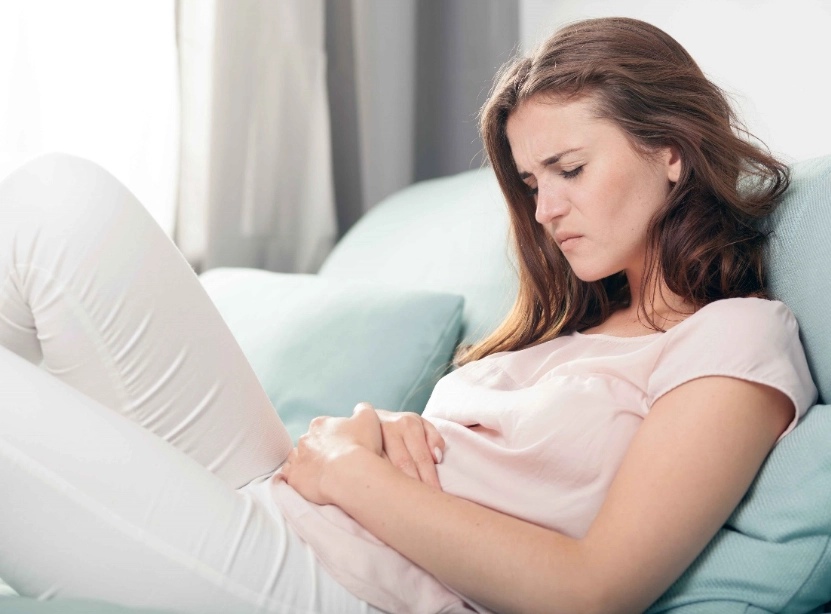
Tender, Swollen Breasts
Breast changes can be one of the very first noticeable symptoms, sometimes within a week or two after conception. It's often described as a heightened version of the tenderness you might feel before your period, but more intense and lasting.
You might notice:
- A feeling of heaviness or fullness.
- Soreness or tenderness to the touch.
- Darkening of the areolas (the skin around the nipples).
- More visible blue veins under the skin.
- The little bumps on the areola (Montgomery's tubercles) becoming more pronounced.
These changes are driven by, you guessed it, hormones—estrogen and progesterone—preparing your mammary glands for eventual breastfeeding. The discomfort usually lessens somewhat after the first trimester as your body adjusts.
Increased Urination
If you find yourself making more trips to the bathroom, especially at night, it's not your imagination. This symptom can start surprisingly early, around week 4-6.
There are two main reasons for this. First, the pregnancy hormone hCG increases blood flow to your pelvic area and kidneys, making them more efficient (meaning they fill your bladder faster). Second, as your uterus begins to grow, even while it's still quite small, it puts pressure on your bladder, reducing its capacity.
It's a symptom that often gets a chuckle, but when you're the one getting up for the third time in a night, it's no joke. It's also one that tends to ease in the second trimester as the uterus rises into the abdomen, only to return with a vengeance in the third trimester when the baby's head engages.
So, to directly answer the search query: what are 5 early pregnancy symptoms? They are a missed period, profound fatigue, nausea, tender breasts, and frequent urination.
Beyond the Top 5: Other Common Early Clues
While the list above covers the major players, your body might send other signals. These aren't universal, but they're common enough that they're worth mentioning. Seeing a few of these alongside one or two of the "top 5" can strengthen the picture.
- Food Aversions or Cravings: Suddenly hating the coffee you loved or developing a powerful need for pickles is a cliché for a reason. Hormonal changes can drastically alter taste and smell perception.
- Mood Swings: The hormonal rollercoaster can make you feel elated one minute and tearful the next. It feels very similar to severe PMS for many women.
- Bloating and Constipation: High progesterone relaxes smooth muscle tissue throughout your body, including your digestive tract. This slows everything down, leading to bloating, gas, and constipation.
- Elevated Basal Body Temperature (BBT): If you've been tracking your BBT to ovulate, you'll notice it stays elevated after ovulation if you're pregnant, instead of dropping before your period.
- Lightheadedness or Dizziness: Hormones cause your blood vessels to relax and widen, which can lower your blood pressure. Combined with lower blood sugar if you're not eating well due to nausea, it can make you feel faint.
It's a lot, isn't it? Your body is essentially undergoing a complete system overhaul.
When Do These Symptoms Typically Start?
Timing is a huge question. You won't feel anything in the first day or two after conception. Symptoms generally need time to build as hormone levels rise.
Here's a rough timeline table to give you an idea. Remember, this is an average guide – your experience may vary.
| Symptom | Earliest Typical Onset (Weeks After Conception) | Peak Time | Notes |
|---|---|---|---|
| Tender Breasts | 1-2 weeks | Weeks 3-4 | Often one of the very first signs. |
| Fatigue | 1-2 weeks | Weeks 5-10 | Can be surprisingly sudden and severe. |
| Nausea | 2-4 weeks | Weeks 8-10 | The infamous "morning sickness." |
| Missed Period | 4 weeks | N/A | The most definitive sign for those with regular cycles. |
| Frequent Urination | 2-4 weeks | Late 1st & 3rd Trimesters | Can come and go as the uterus position changes. |
Implantation itself usually happens 6-12 days after ovulation, and it's only after that that hCG production really ramps up enough to cause symptoms. So, most women won't feel anything definitive until at least the week their period is due, if not a bit later.
Critical Reminder: The absence of symptoms does NOT mean you are not pregnant. So-called "silent" or symptom-free pregnancies in the first trimester are completely possible and normal for some. Don't panic if you don't "feel" pregnant.
How to Tell Early Pregnancy Symptoms Apart from PMS
This is the million-dollar question, right? Many early pregnancy symptoms are eerily similar to premenstrual syndrome (PMS). So how do you tell the difference? It often comes down to intensity, duration, and the presence of a few unique players.
Let's break it down:
- Breast Tenderness: In PMS, tenderness usually improves once your period starts. In early pregnancy, it tends to persist and may even intensify.
- Fatigue: PMS fatigue is real, but pregnancy fatigue is often on another level—more profound and less linked to lifestyle factors.
- Cramping: Mild cramping can occur in both. Implantation cramps are usually lighter and shorter than menstrual cramps. PMS cramps often intensify right before and during bleeding.
- The Unique Giveaways: Frequent urination (not common with PMS), persistent elevated BBT, and a missed period are the clearest differentiators. Nausea is also far more characteristic of pregnancy than PMS.
Honestly, the overlap is why the wait can be so agonizing. For many, the only way to know for sure is to take a test or, if your period is late, see a doctor.
Your Action Plan: What to Do If You Notice Symptoms
Okay, let's say you're ticking off a few boxes. You're wondering, "What are 5 early pregnancy symptoms I might be feeling?" and a couple seem to fit. What's the next step?
- Don't Panic. Breathe. Whatever the outcome, you'll handle it.
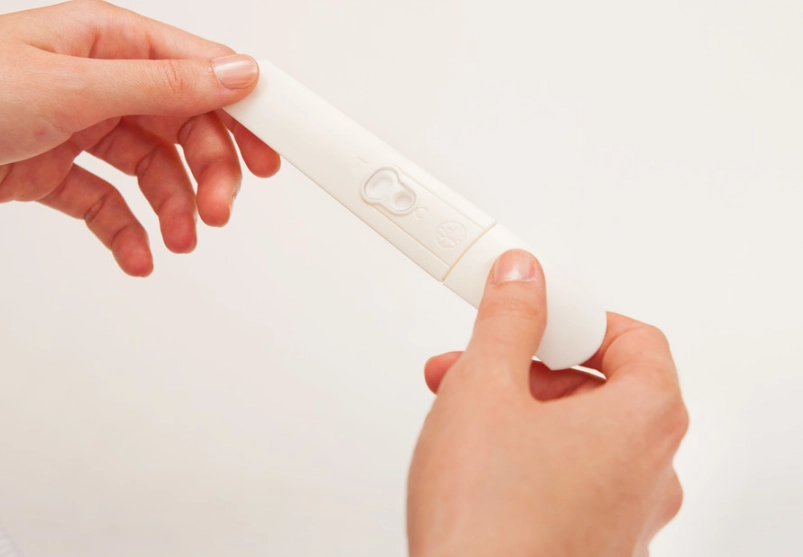
- Take a Home Pregnancy Test. This is the logical first step. For the most accurate result, wait until the first day of your missed period, or at least 1-2 weeks after you had sex. Use your first-morning urine, as it has the highest concentration of hCG. Modern tests are very accurate when used correctly.
- See a Healthcare Provider. If your home test is positive, schedule an appointment with an OB-GYN, midwife, or family doctor. They will confirm the pregnancy (usually with a urine or blood test) and start you on prenatal care. The Centers for Disease Control and Prevention (CDC) emphasizes the importance of early prenatal care for a healthy pregnancy.
- Start Taking Prenatal Vitamins. If you haven't already, start immediately. Folic acid is crucial in the very early weeks for preventing neural tube defects.
- Make Gentle Lifestyle Adjustments. Avoid alcohol, smoking, and recreational drugs. Be mindful of caffeine intake. Review any medications you're on with your doctor.
Frequently Asked Questions (FAQs)
A Final, Personal Thought
Navigating the possibility of early pregnancy is a deeply personal experience filled with a whirlwind of emotions. The physical signs are just one part of the story. Whether you're hoping for a positive or a negative result, the waiting period is tough.
My advice? Try to step back from symptom-spotting every hour. It's exhausting. Write down what you're feeling and when, then try to distract yourself. Read a book, watch a movie, go for a walk. The answer will reveal itself in time, either through a test or your cycle.
I think the medical information out there is great, but it sometimes forgets the human anxiety in the middle of it all. You're not a checklist; you're a person wondering about a potentially life-changing event. Be kind to yourself during the process.
Understanding what are 5 early pregnancy symptoms gives you knowledge, and knowledge is power. But the ultimate truth comes from a simple test and a conversation with a professional. Trust your body, gather your information, and take the next step when you're ready.
Reader Comments