Quick Navigation
- Breaking Down the Bill: What Are You Actually Paying For?
- The Great Wildcard: How Insurance Changes Everything
- Doctor's Test vs. Home Test vs. Clinic: A Cost & Value Showdown
- Beyond the Price: The Real Reasons to Get a Test at the Doctor
- Navigating the Financial Side: Practical Tips
- Your Questions, Answered (The Stuff You're Actually Searching)
- Wrapping It Up: It's About More Than the Test
Let's cut to the chase. You're wondering about the price tag on a pregnancy test at the doctor's office because you're facing that big question right now. Maybe you saw a faint line on a home test, or your period is just... conspicuously absent. Your mind is racing, and on top of the emotional whirlwind, practical thoughts creep in. Like cost.
It seems like it should be a simple answer, right? But it's not. Asking "how much does a pregnancy test cost at the doctor?" is like asking how much a car costs. Well, is it a new sedan or a used compact? Are you leasing or buying? The devil, as they say, is in the details.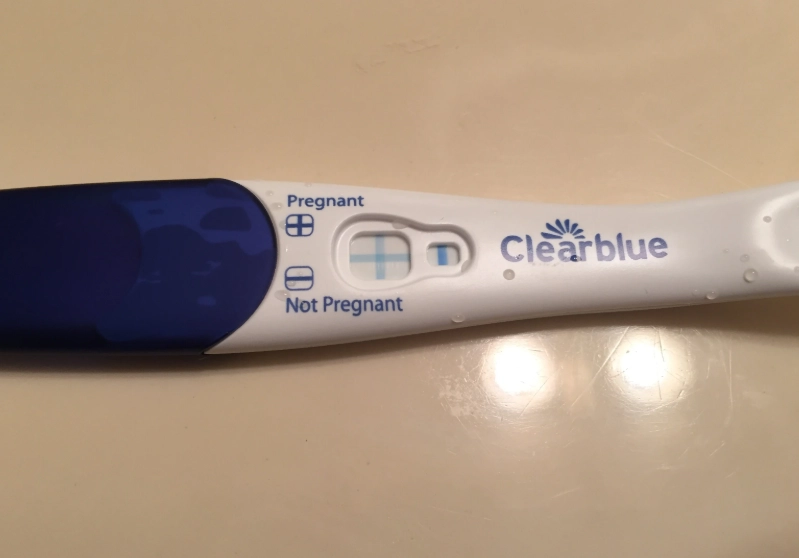
The short, frustrating answer is: There is no single price. The cost is almost never just for the plastic stick they pee on. You're paying for the entire clinical visit, the professional's time, the lab analysis, and the follow-up conversation. That's why the price can swing from what feels reasonable to downright shocking.
I remember a friend calling me in a panic a few years back. She'd gone to her OB-GYN for a suspected UTI, mentioned her period was a few days late, and they added a pregnancy test. The bill later arrived: over $350. She was furious. "It's a pee test!" she yelled. But the bill was itemized: office visit, urinalysis, pregnancy test (qualitative, hCG), and a "complex visit" charge because they discussed the results. She learned the hard way that the context of the visit matters immensely.
So, let's pull this apart. We'll look at what you're actually paying for, the factors that send the price soaring or make it affordable, and whether it's even the best option for you. Because sometimes, knowing the price isn't about finding the cheapest route, but understanding the value you're getting for your money (or your insurance's money).
Breaking Down the Bill: What Are You Actually Paying For?
When you search "how much does a pregnancy test cost at the doctor," you're probably imagining walking in, providing a sample, and getting a bill for $20. In reality, the charge is layered. Here’s the typical breakdown, which explains why a simple test isn't so simple on paper.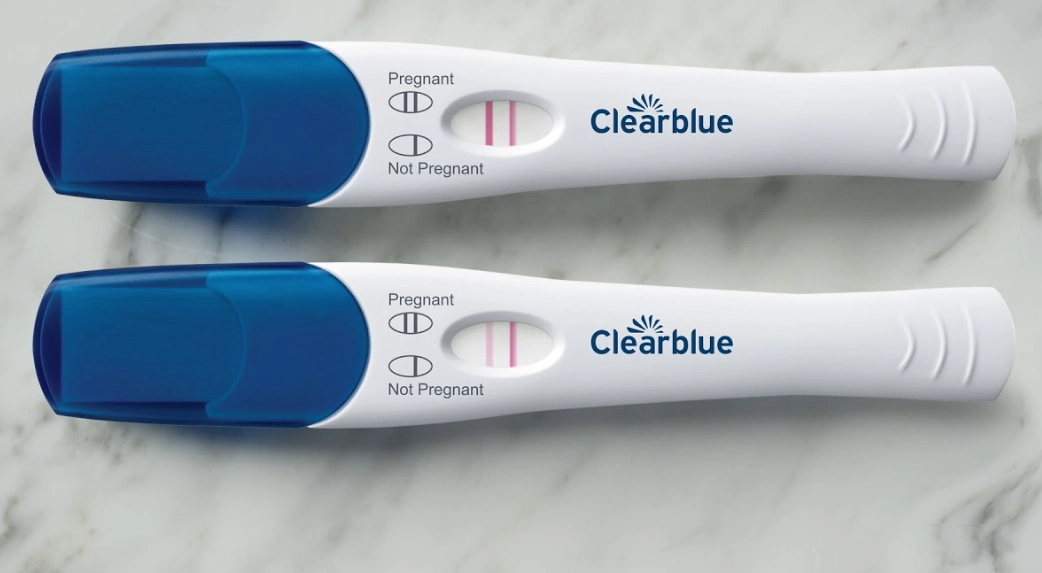
The Three-Part Cost Structure
- The Office Visit Fee (The Biggest Chunk): This is the charge for walking through the door and using the doctor's time and facility. It's coded based on complexity. A quick nurse visit might be a lower-level code ($75 - $150), while a full consultation with a doctor about symptoms and next steps can be a higher-level code ($150 - $300+). This fee exists whether they do the test or not.
- The Laboratory Fee for the Test Itself: This is the actual charge for the pregnancy test. Doctors typically use a qualitative hCG urine test, which is more sensitive and processed in a controlled lab setting. This fee can range from $15 to $50. Sometimes, if they need to be absolutely sure or it's very early, they might order a quantitative blood test (beta hCG), which is more expensive ($50 - $200).
- Additional Possible Fees: Don't forget the "facility fee" if you're at a hospital-affiliated clinic, or charges for any other tests run concurrently (like that urinalysis for my friend). The conversation about the results and next steps is also part of the bundled visit cost.
So, when you add it up, the total out-of-pocket cost for a pregnancy test at the doctor can realistically land anywhere between $100 and $500 or more, before insurance. That wide range is infuriating, I know. But it's the truth.
The Great Wildcard: How Insurance Changes Everything
This is where the "how much does a pregnancy test cost at the doctor" question gets its most common answer: "It depends on your insurance." And it's painfully true.
If you have insurance and the test is deemed medically necessary (e.g., you have symptoms, need confirmation for medication, or it's part of prenatal care), your plan will likely cover a big portion. You'll be responsible for your copay (a fixed amount, like $25) or coinsurance (a percentage of the allowed amount, like 20%).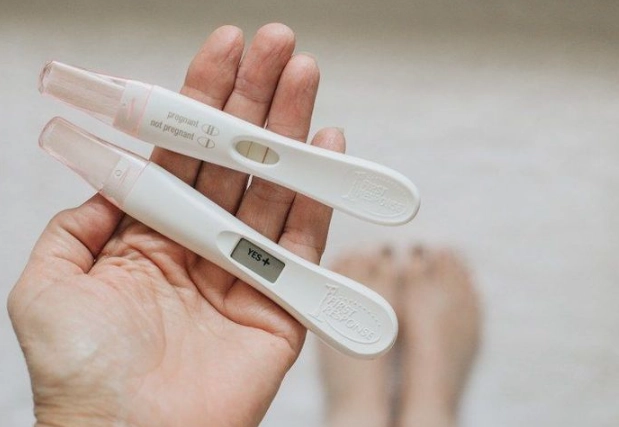
Key Insight: Always call your insurance company's member services line and the doctor's office billing department beforehand. Ask: "Is a diagnostic pregnancy test covered under my plan? What will my patient responsibility be for a routine office visit with a pregnancy test?" Get CPT codes if you can (like 81025 for the urinalysis pregnancy test). This can prevent nasty surprises.
If the test is for confirmation only without other medical symptoms, some insurers might classify it as elective and not cover it, leaving you with the full bill. High-deductible health plans (HDHPs) are another story. If you haven't met your deductible, you could be paying the full negotiated rate until you do.
Let's talk about the uninsured. This is the toughest spot. Without the negotiated rates that insurance companies have, you're looking at the full "sticker price," which is often inflated. However, many clinics offer self-pay or cash-pay discounts if you ask upfront. It's always worth inquiring. "I am uninsured. What is your cash price for a pregnancy test and a brief office visit?" You might be surprised how much lower it can be.
Doctor's Test vs. Home Test vs. Clinic: A Cost & Value Showdown
Okay, so the doctor's office seems expensive. Why not just buy a $1 store test? Or go to a free clinic? The choice isn't just about cost; it's about what you need at that moment.
| Option | Estimated Cost (Out-of-Pocket) | Pros | Cons | Best For... |
|---|---|---|---|---|
| Doctor's Office | $100 - $500+ (before insurance) | Highest accuracy, immediate medical consultation, results documented in your medical record, can lead directly to prenatal care referral. | Most expensive, requires appointment, potential long wait times, insurance complexities. | Those who need official confirmation for medical/legal reasons, have concerning symptoms, want immediate next-step guidance with a trusted provider. |
| Home Pregnancy Test (Store-Bought) | $1 - $25 | Extremely cheap, private, convenient, immediate results, very accurate (if used correctly a few days after a missed period). | User error possible, no medical guidance, not an official medical record, can't detect ectopic pregnancy or other issues. | Initial, private checking. Great first step for almost everyone. |
| Community Health Center / Planned Parenthood | $0 - $150 (Sliding scale based on income) | Low-cost, often includes counseling, confidential, can provide referrals for care regardless of outcome. | May have income eligibility requirements, location availability can be limited. | Those without insurance, with limited income, seeking comprehensive sexual health services and counseling. |
| Urgent Care Center | $150 - $300 (Copay may apply) | No appointment needed, faster than a doctor's office for basic confirmation. | More expensive than a clinic, less continuity of care, staff may not be OB specialists. | When you need confirmation outside of regular doctor's hours and a home test isn't sufficient. |
Looking at this, you can see the trade-offs. The doctor's office isn't selling you a more accurate pee stick (though theirs is good). They're selling you access, expertise, and a pathway. If you just need a yes/no answer, a home test is a phenomenal, scientifically sound tool. Seriously, the FDA-cleared ones are great. But if that yes/no answer comes with a million more questions, fear, or the need for an official paper trail, that's where the clinical setting provides value that transcends the price of the test itself.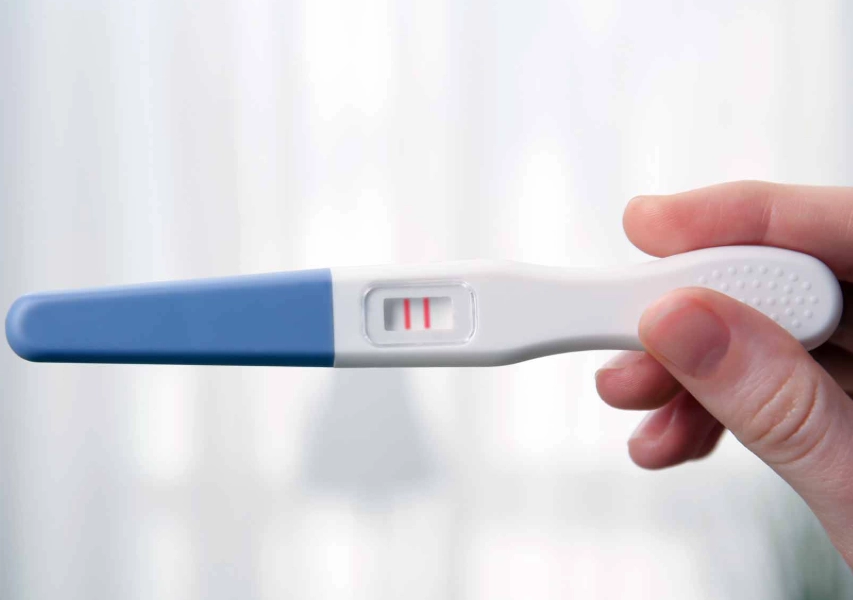
My personal take? I think the system is flawed. The fact that the cost of a simple confirmation can be a barrier to early prenatal care is a public health failure. But until that changes, we have to navigate it smartly.
Beyond the Price: The Real Reasons to Get a Test at the Doctor
Let's say money is less of an issue, or your insurance covers it. What are you really getting for that higher price point when you opt for a doctor's office pregnancy test?
1. Certainty and Early Detection: While home tests are excellent, the tests used in labs can sometimes detect lower levels of hCG earlier. More importantly, a quantitative blood test (which you'd get through a doctor) gives you an exact number. This number can be tracked over 48 hours to see if it's rising appropriately, which is crucial information very early on.
2. It's Not Just About Pregnancy: A doctor is trained to look at the whole picture. Are your symptoms aligning with a normal pregnancy? Could it be something else? They can check for signs of an ectopic pregnancy or other conditions that a home test blissfully ignores. That clinical context is part of what you pay for.
3. The Instant "What's Next?" Conversation: This is huge. A positive test at home leaves you alone with Google. A positive test at the doctor's office means you can immediately ask: "What vitamins should I take?" "What medications are safe?" "When should I come back?" They can print resources, send prescriptions for prenatal vitamins, and schedule your first prenatal appointment on the spot. That continuity is invaluable.
4. Official Documentation: For things like applying for certain benefits, informing your workplace, or even just for your own medical history, having the test result in your official medical record carries weight.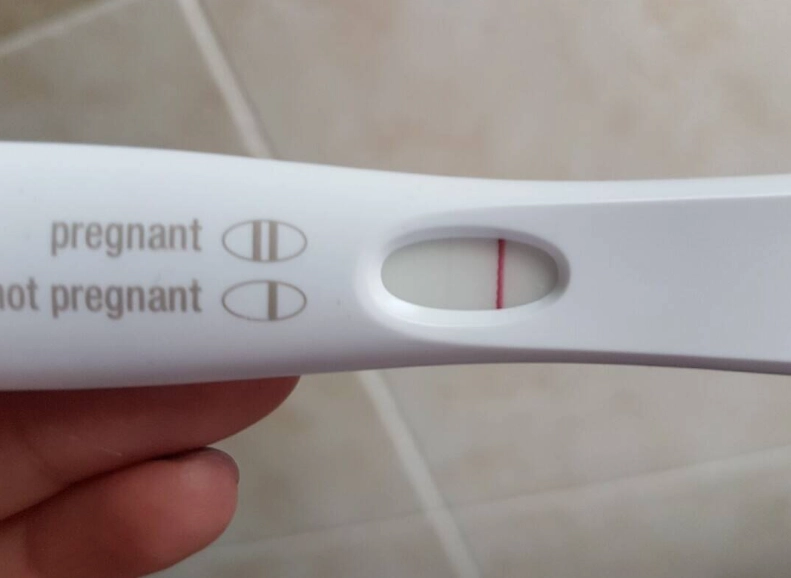
Navigating the Financial Side: Practical Tips
Knowing the landscape is one thing. Saving money is another. Here’s a pragmatic list for keeping costs in check while getting the care you need.
- Step 1: Take a Home Test First. I can't stress this enough. Use a reputable, FDA-cleared test from the store. Follow the instructions to the letter (first-morning urine is best). If it's negative and your period still doesn't come in a week, test again. If it's positive, you now have valuable information before you even call a doctor.
- Step 2: Call Your Insurance. Before making any appointment, understand your coverage. Know your deductible status, your copay for an office visit, and whether you need a referral.
- Step 3: Be Strategic About the Appointment. If you just need confirmation, ask the scheduler if a visit with a nurse practitioner or physician assistant is available and appropriate. It's often less expensive than seeing the doctor. Be clear: "I have a positive home pregnancy test and need clinical confirmation and to discuss next steps."
- Step 4: Ask About Cash Prices. If you're uninsured or have a high deductible, simply ask: "What is your self-pay rate for this type of visit and test?" You'd be amazed how many offices have a lower, pre-negotiated price for cash payments.
- Step 5: Consider Federally Qualified Health Centers (FQHCs) or Title X Clinics. These are designed to provide care regardless of ability to pay. You can find them through the HRSA Health Center Finder. Planned Parenthood is also a critical resource for low-cost confidential testing and counseling.

The most cost-effective path for many is: Home Test (Positive) -> Call Insurance -> Schedule a confirmatory visit with a provider you trust to start prenatal care. This avoids unnecessary "exploratory" doctor visits when a $10 home test would do.
Your Questions, Answered (The Stuff You're Actually Searching)
Let's tackle some of the specific, real-world questions that pop up around this topic. These are the things people type into Google after the main search.
Wrapping It Up: It's About More Than the Test
So, after all this, what's the final word on how much does a pregnancy test cost at the doctor?
It's a bundle. A package deal. You're not buying a commodity; you're initiating a professional medical service. The price tag reflects that. For some, the value of immediate, guided next steps from a trusted professional is worth every penny. For others, starting with a home test and then moving to a low-cost clinic is the perfect, sensible path.
The most important thing is not to let cost fear paralyze you. Information is power. Now you know why the price varies wildly, how insurance plays its chaotic role, and what your alternatives are.
Take a deep breath. Start with a home test if you can. Then make your plan. Whether it's calling your OB-GYN's office with your insurance card in hand or looking up the nearest community health center on the HHS Title X website, you have options. The goal is to get the confirmation you need and then get the care you deserve, in a way that makes sense for your health and your wallet.
And remember, while we obsessed over the cost here, the result of that test—whether from a dollar store or a downtown specialist—opens a door to a much bigger journey. Make the choice that gives you the clearest mind and the steadiest start.
Reader Comments