You’ve hit the 12-week mark. The nausea might be (hopefully) easing, you’ve probably told a few close friends, and you’re eagerly waiting for that magical "pregnant" look. You stand sideways in the mirror, suck in, let it out, and wonder… is that a baby bump, or did I just have a big lunch?
If your 12-week pregnant bump with your first baby looks more like bloating than a beautiful baby curve, you’re completely normal. I remember staring at my flat-ish stomach at 12 weeks, surrounded by social media photos of seemingly perfect, round bumps, and feeling a weird mix of anxiety and impatience. The truth about first-time bumps at the end of the first trimester is rarely discussed with enough honesty.
Let’s cut through the noise. This isn’t about comparing your belly to anyone else’s. It’s about understanding what’s actually happening inside, why your experience is unique, and what you can realistically expect in the coming weeks.
What’s Inside This Guide
The 12-Week Bump Reality Check: It’s Not What You Think
At 12 weeks pregnant, your uterus has grown from the size of a pear to about the size of a large grapefruit. The key detail? It’s still tucked neatly within your pelvic bone. For most first-time moms, it hasn’t risen above the pubic bone yet. That official "popping" moment usually happens between 16 and 20 weeks.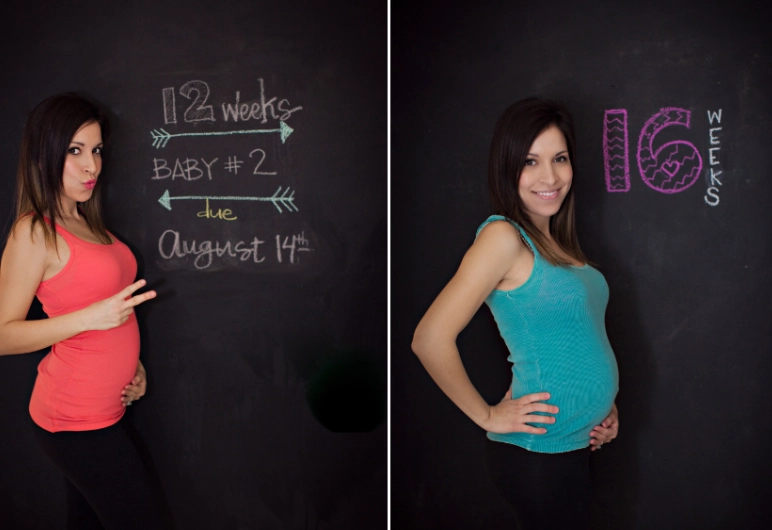
So what are you seeing and feeling at 12 weeks? It’s often a combination of factors that create the illusion or foundation of a bump:
- Bloating: Progesterone, the pregnancy hormone, slows your digestion. This leads to gas and bloating that can come and go throughout the day, making your lower abdomen look more prominent in the evening.
- Uterine Growth: While still low, your uterus is expanding and pushing other things slightly upward and outward.
- Body Composition: Your natural shape plays a huge role. If you carry weight in your midsection, changes might be less noticeable early on.
A Common Mistake New Moms Make
Many women start buying maternity clothes too early, choosing items designed for a 20+ week bump. At 12 weeks, these clothes often look baggy and awkward. The smarter move? Focus on a wardrobe transition using your existing clothes and a few key flexible pieces. We’ll get to that.
Why Your First Baby Bump Size Varies So Much
Comparing your 12-week bump to your friend’s or an influencer’s is a recipe for unnecessary worry. Here’s what genuinely affects the size and visibility: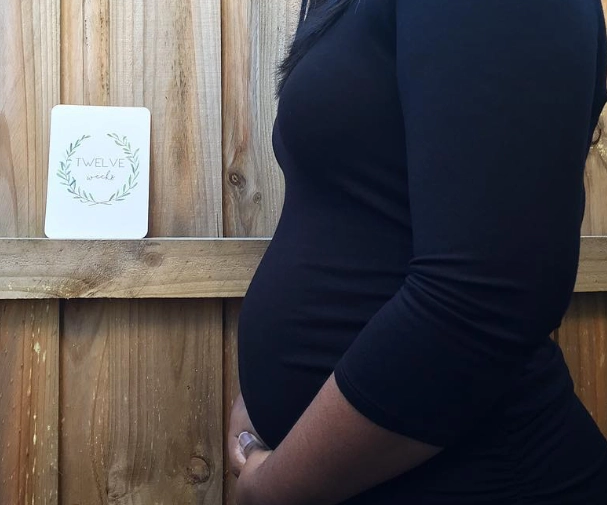
| Factor | How It Affects Your 12-Week Bump | Note for First-Time Moms |
|---|---|---|
| Abdominal Muscle Tone | Tighter muscles hold the uterus in longer, leading to a later, often "neater" bump. | This is a major reason first-time moms show later. Your muscles haven’t been stretched before. |
| Your Height & Torso Length | Taller women or those with longer torsos have more vertical space for the uterus to expand into before pushing outward. | Your bump may appear smaller for longer, which is perfectly normal. |
| Baby’s Position | Whether the baby is lying more towards your back (posterior) or your front (anterior) can change your profile. | This changes daily early on, so your bump look can vary. |
| Bloating & Constipation | Can add several inches to your waist measurement, creating a softer, rounder appearance. | This is often the main component of an "early" 12-week bump. |
| Weight Gain Distribution | Early pregnancy weight gain often goes to the breasts, hips, and yes, the midsection as fat stores. | This isn’t the baby bump, but it changes your silhouette. |
I had a friend who was a yoga instructor with incredible core strength. She didn’t look definitively pregnant until nearly 22 weeks with her first. Meanwhile, another friend with a shorter frame and a tendency to bloat had a noticeable roundness by 14 weeks. Both had perfectly healthy pregnancies.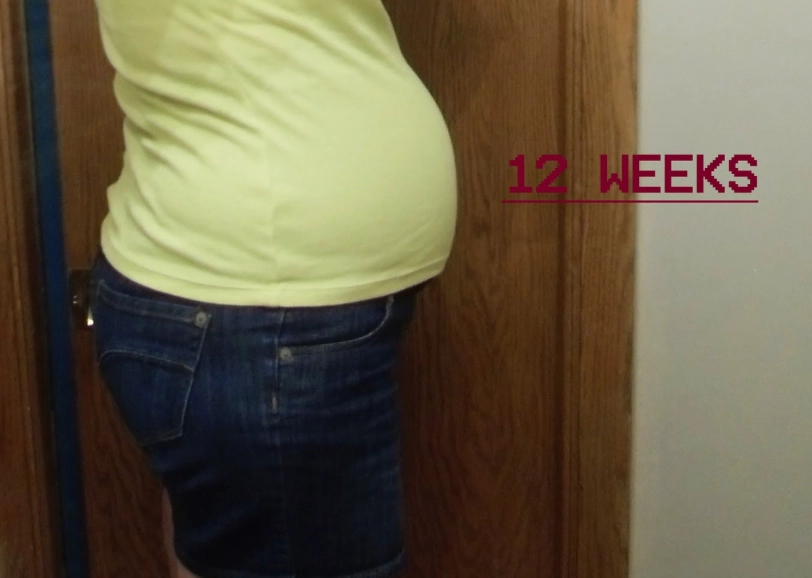
Dressing Your 12-Week Bump (Or Lack Thereof)
This is the practical part. You might not need a maternity section yet, but your jeans are definitely feeling like a torture device. Here’s a phased approach:
Phase 1: The Elastic Waistband Era (Weeks 10-16ish)
Forget buttoned jeans. Your best friends are:
- Leggings and Joggers: High-waisted styles are fantastic for light support and covering a bloated lower belly.
- Skirts and Dresses with Empire Waists: They flow from right under the bust, accommodating your changing shape without highlighting a specific waistline.
- The Hair Tie Trick: Loop a hair tie through the buttonhole of your regular jeans and around the button. It gives you an extra inch or two of breathing room.
Phase 2: The Transition Piece (A Smart Early Buy)
Instead of full-panel maternity jeans, consider one or two pairs of side-panel pants or jeans. These have stretchy fabric inserts on the sides of the waistband. They expand with you from early bloat through a proper bump and are less bulky than full-panel styles for the early months.
Also, invest in longer tank tops and tees. As your uterus grows, your regular shirts might start feeling too short in the front.
How to Track Your Progress Without Obsessing
Measuring your belly for fundal height is a standard part of prenatal care, but it doesn’t start until around 20 weeks. Before that, tracking is more for personal curiosity. If you do it, do it right.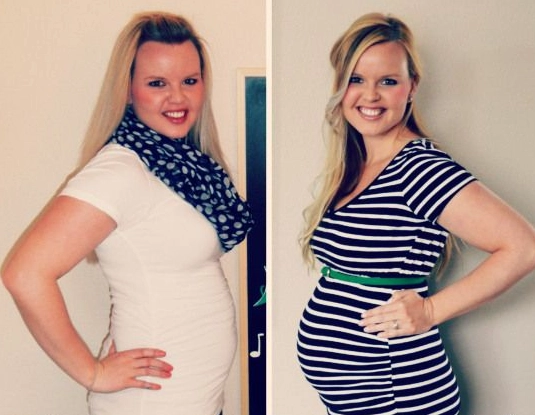
Don’t: Measure every day. Bloating will drive you crazy.
Do: Pick one morning a week, right after you empty your bladder. Use a soft measuring tape from the top of your pubic bone to the top of your uterus (you might barely feel it at 12 weeks). Write it down in a notes app or a journal alongside how you’re feeling.
The number itself matters less than the trend over weeks. But honestly? At 12 weeks, I’d suggest skipping the tape measure entirely and taking a simple side-profile photo in similar clothing each month. The monthly comparison will be far more meaningful and less stressful than weekly centimeter counts.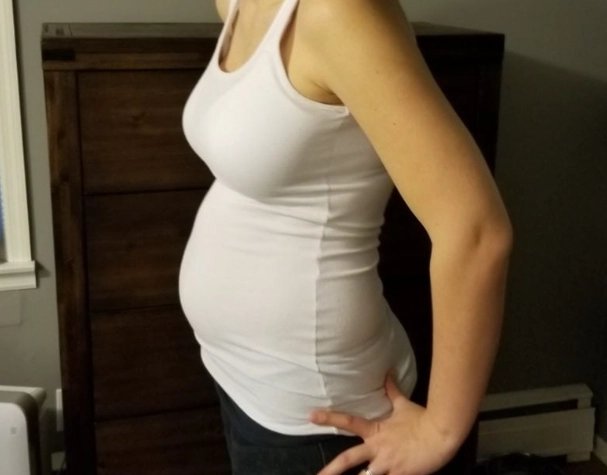
Your Top 12-Week Bump Questions Answered
My 12-week bump is huge and hard. Is that okay, or could it be twins?
I’m 12 weeks and have no bump at all with my first baby. Should I worry about my baby’s growth?
People are already touching my belly at 12 weeks, but it’s just bloat. How do I handle this?
When will I finally look pregnant instead of just like I gained weight?
The journey of your first baby bump is deeply personal. That 12-week mark is a checkpoint, not a final display. Celebrate making it through the first trimester. Listen to your body, trust your care provider, and give yourself grace. The bump will come. In the meantime, enjoy the secret only you and a few others know, and invest in some really comfortable pants.
Reader Comments