Your period is late. That flutter in your stomach isn't just nerves—it's the first whisper of a question. Could you be pregnant? While a missed period is often the headline sign that sends someone to the pharmacy, the story your body starts telling in the days and weeks that follow is filled with more subtle, yet powerful, details. These positive signs of pregnancy after a missed period are your body's way of adjusting to a monumental change. Let's decode them, separating the common clues from the less frequent ones, and talk about what to do next. I've been writing about pregnancy and women's health for over a decade, and the one thing I tell everyone is this: listen to your body first, but trust a test (and eventually, a doctor) for the final word.
What You'll Find in This Guide
The Most Common Positive Signs After a Missed Period
Once menstruation doesn't arrive on schedule, hormone levels—specifically human chorionic gonadotropin (hCG) and progesterone—begin to climb. This shift triggers a cascade of physical changes. Not everyone experiences all of them, and their intensity varies wildly.
Breast Changes: Tenderness and Fullness
This is often one of the first and most noticeable signs. It's not just mild tenderness; it can feel like a deep, aching soreness or heightened sensitivity. Your breasts may feel heavier, fuller, and the areolas (the area around the nipples) might darken or show more prominent bumps (Montgomery's tubercles). This is due to increased blood flow and the mammary glands preparing for their future role. While PMS can cause breast soreness, pregnancy-related tenderness typically lasts longer and feels more pronounced.
Overwhelming Fatigue
This isn't ordinary tiredness. It's a profound, bone-deep exhaustion that can hit you in the middle of the afternoon. You might find yourself needing a nap just to get through the day. The metabolic demands of building a placenta and the sedating effect of rising progesterone levels are the main culprits. I remember a friend describing it as feeling like she had just run a marathon after a full night's sleep.
Nausea (With or Without Vomiting)
Often called "morning sickness," this queasiness can strike at any time of day or night. It might be triggered by smells (like coffee, perfume, or certain foods) or come on randomly. For some, it's a constant low-grade nausea; for others, it involves vomiting. The exact cause isn't fully understood but is linked to hCG levels. It's a classic sign, but its absence doesn't mean you're not pregnant.
Increased Urination
You might find yourself making more trips to the bathroom, even at night. This happens because your kidneys are processing more fluid due to increased blood volume, and later, the growing uterus begins to press on your bladder. It's a sign that often starts early and, frankly, sticks around.
Food Aversions and Cravings
Suddenly, your favorite sandwich might seem revolting, while you develop an intense desire for a specific food. These aversions and cravings are thought to be linked to hormonal shifts and heightened sense of smell. It's your body's quirky way of navigating nutritional needs (though sometimes the cravings aren't for anything particularly nutritious!).
Mood Swings
The hormonal rollercoaster can make emotions feel amplified. You might feel unusually tearful, irritable, or emotionally fragile. It's similar to PMS moodiness but can feel more intense and less predictable.
Pregnancy or PMS? How to Tell the Difference
This is where confusion sets in. Many early pregnancy symptoms mirror premenstrual syndrome (PMS). The key often lies in the timing, persistence, and intensity.
With PMS, symptoms like breast tenderness, mood swings, and fatigue usually resolve once your period starts. In pregnancy, they persist or even intensify after your missed period. Nausea and frequent urination are also far more characteristic of early pregnancy than typical PMS.
Here’s a quick side-by-side look:
| Symptom | More Typical of Pregnancy | More Typical of PMS |
|---|---|---|
| Breast Pain | Persistent soreness, feeling of fullness, darkening areolas. | Tenderness that fluctuates and ends with period start. |
| Fatigue | Profound, debilitating exhaustion that continues. | General tiredness that improves. |
| Nausea | Common, often with aversions to smells/foods. | Uncommon as a primary symptom. |
| Cramping | Mild, intermittent "tugging" or dull aches (uterus expanding). | Often more intense, crampy pain leading to flow. |
| Bleeding | Absence of period; light spotting uncommon. | Regular menstrual flow. |
The most reliable differentiator? Your period either arrives or it doesn't. If symptoms are present and your period is more than a few days late, it's time to take a test.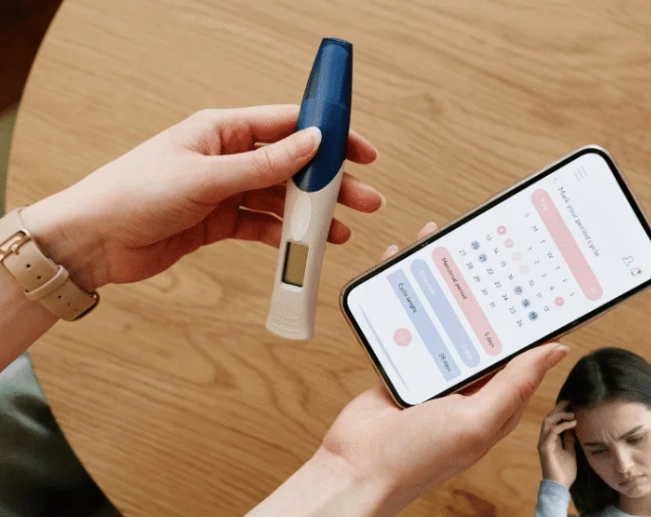
When and How to Confirm Your Pregnancy
Seeing signs is one thing; getting confirmation is another. Here's your action plan.
The Home Pregnancy Test: Getting it Right
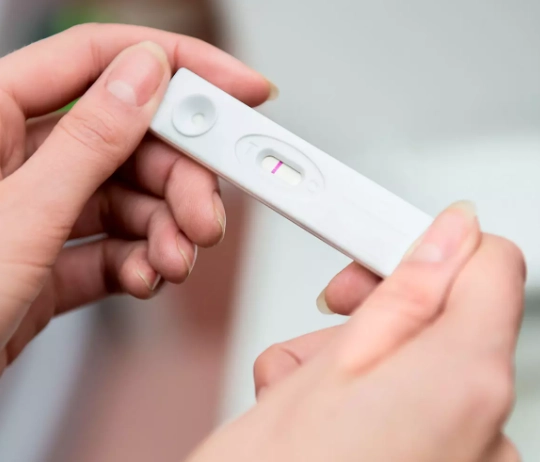
Modern home tests are highly accurate when used correctly. The key is timing. They detect hCG in your urine. For the most reliable result, test one week after your missed period. Testing too early can give a false negative because hCG levels might not yet be high enough to detect.
Use your first-morning urine, as it's most concentrated. Follow the instructions precisely—waiting the full time for the result is crucial. A faint line is still a positive line. If it's negative but your period still doesn't come and symptoms persist, retest in 3-5 days.
The Gold Standard: Seeing a Healthcare Provider
A positive home test should be followed up with a healthcare provider. They can confirm with:
- A blood test: This quantifies the exact amount of hCG and can detect pregnancy even earlier than a urine test. It's definitive.
- An early ultrasound: Usually performed around 6-8 weeks, this confirms the pregnancy is located in the uterus and checks the fetal heartbeat.
This appointment isn't just for confirmation; it's the start of your prenatal care. The American College of Obstetricians and Gynecologists recommends scheduling your first prenatal visit around 8 weeks of pregnancy.
When You Should Call a Doctor
While most early pregnancy symptoms are normal, some signs warrant an immediate call to your doctor or a trip to the clinic:
- Severe abdominal pain or cramping on one side (could indicate an ectopic pregnancy).
- Heavy bleeding that soaks through a pad in an hour, like a heavy period.
- Severe dizziness, fainting, or rapid heartbeat.
- Severe nausea and vomiting that prevents you from keeping any food or liquids down (hyperemesis gravidarum).
- Pain or burning during urination (could be a urinary tract infection, common in pregnancy).
Trust your instincts. If something feels seriously wrong, don't wait.
Reader Comments