Let's cut to the chase. You're here because you're analyzing every twinge, wondering if that wave of fatigue or odd craving means something. The short, direct answer is: the very earliest physical symptoms of pregnancy can begin around 1-2 weeks after conception, but for most people, noticeable signs cluster around the time of a missed period, roughly 4 weeks into pregnancy. That "1-2 weeks post-conception" window is crucial and often misunderstood. It's not days after sex; it's after the complex process of implantation finishes.
Core Takeaways: What You'll Learn
The Realistic Week-by-Week Early Symptom Timeline
Forget the dramatic movie scenes. Early pregnancy isn't a light switch. It's a hormonal ramp-up. Here’s what actually happens, based on medical timelines from sources like the American College of Obstetricians and Gynecologists, not internet forums.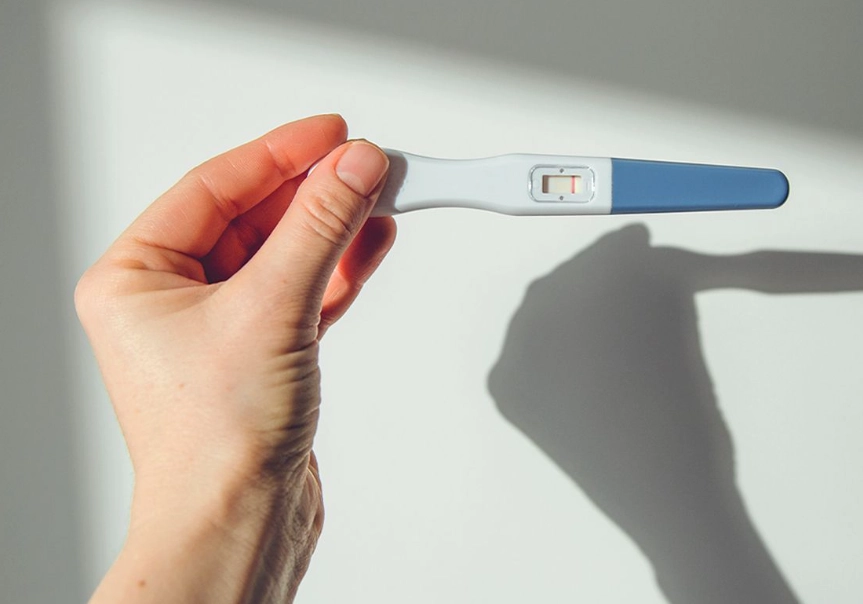
Weeks 1 & 2 (Conception & Implantation): Technically, you're not even pregnant during "week 1"—doctors count from your last menstrual period. Conception happens around week 2. For about 6-10 days after that, the fertilized egg travels and implants in the uterine lining. This is when implantation bleeding might occur for some (light spotting). A few women report minor cramping. But here’s the key point: you cannot have pregnancy-caused nausea or fatigue at this stage. The hormone hCG, the primary trigger for symptoms, isn't being produced in meaningful amounts until implantation is complete.
A Common Misstep: Many women mistake the date of intercourse for the date of "conception." Conception is fertilization, but the pregnancy isn't biologically established until implantation finishes, which is the true start of symptom-causing hormone production. This lag is why symptoms can't appear instantly.
Week 3-4 (The Missed Period Zone): This is the ground zero for early symptoms. Implantation has occurred, and hCG levels start doubling every 48-72 hours. This is when you might first notice:
- Fatigue that feels different: Not just tired, but a deep, bone-weary exhaustion that a nap doesn't fix.
- Breast changes: Tenderness, fullness, tingling, or darkening areolas. It's often more pronounced than typical PMS tenderness.
- Heightened smell: Suddenly repulsed by the smell of coffee, your partner's deodorant, or a food you usually love.
- Subtle cramping or bloating: Similar to period cramps but often milder and more persistent.
- The most definitive sign: a missed period.
Decoding the Specific Early Symptoms
Let's get granular. Knowing what these signs actually feel like helps you interpret your body's signals.
1. Implantation Bleeding & Cramping
This is the earliest physical sign possible, but it's not a guarantee. Only about 1 in 4 women experience it. It's not red, heavy, or clot-filled like a period. Think: a few spots of light pink or brown discharge on toilet paper, lasting 1-3 days max. The cramping is usually mild, dull, and intermittent—not the progressive cramping of a period.
2. Breast Tenderness: Beyond PMS
I've had clients describe PMS tenderness as "sore," but early pregnancy tenderness as "heavy and tingly." The difference? It can start as early as week 3-4. The veins on your breasts might look more prominent, and the areolas (the darker area around the nipple) may begin to darken and develop small bumps called Montgomery's tubercles. This is a change rarely seen with typical PMS.
3. The Unmistakable Fatigue
This isn't "I stayed up late" tired. It's a profound exhaustion that can hit you in the middle of the day, making you want to lay your head on your desk. It's caused by soaring progesterone levels and your body beginning the massive task of building a placenta. A friend of mine knew she was pregnant when she fell asleep at 7:30 PM for three nights in a row—completely out of character.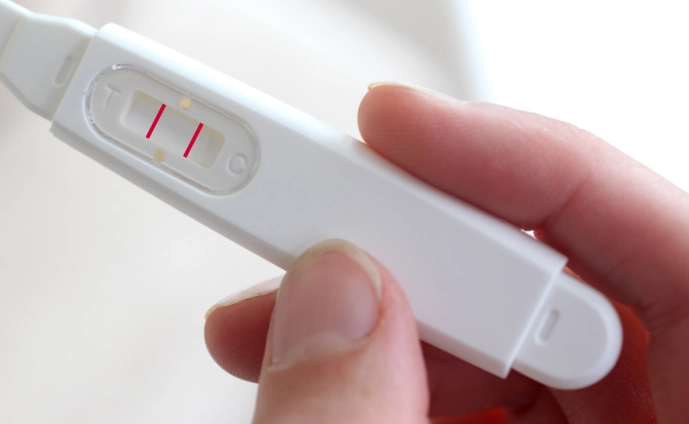
4. Nausea (Morning Sickness)
Despite the name, it can strike any time. For most, it begins between weeks 4 and 6, so it's not typically in the "earliest" category. However, some report a general sense of queasiness or food aversions earlier. If you're feeling nauseous just a week after sex, it's more likely a stomach bug or anxiety.
PMS vs. Pregnancy: How to Tell the Difference
This is where most of the anxiety lives. The symptoms overlap hugely because the same hormone, progesterone, rises in both scenarios. The distinction often lies in intensity, pattern, and the presence of unique markers.
Think about your personal baseline. Does this fatigue feel more extreme than your usual pre-period slump? Is the breast tenderness accompanied by that noticeable darkening? The single most reliable differentiator is the arrival (or lack) of your period. Tracking your basal body temperature (BBT) can also provide a clue: if your temperature stays elevated for 18+ days after ovulation, it's a strong indicator of pregnancy.
One subtle sign many overlook: cervical mucus. After ovulation, it typically dries up before your period. In early pregnancy, you might continue to have creamy or even increased discharge due to higher progesterone and increased blood flow.
When to Take a Pregnancy Test for Accurate Results
Testing too early is the biggest cause of false negatives and unnecessary stress. Here’s the simple rule:
Wait until at least the first day of your missed period. By this time, hCG levels are usually high enough for a home urine test to detect. For the most accurate result, test with your first morning urine, which is more concentrated.
If you have irregular cycles or just can't wait, look for a test marketed as "early detection." Some can detect lower levels of hCG 4-5 days before your expected period. But know this: a negative test before your missed period isn't definitive. If symptoms persist and your period doesn't arrive, test again in 3-5 days.
A positive test, even a faint line, is almost always a reliable positive. False positives are very rare.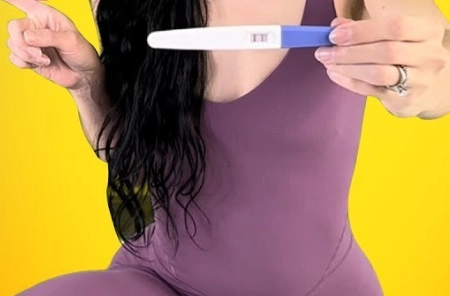
Your Questions, Answered
So, what's the bottom line? The earliest whispers of pregnancy are subtle and easily confused. Pay closest attention to the week your period is due. Listen to your body, but also give it time. The most definitive answers come from a simple home test taken at the right time and, ultimately, a conversation with your healthcare provider.
Reader Comments