Quick Navigation
Let's be real. That moment when you're staring at a pregnancy test box in the bathroom, heart pounding, is one of the most nerve-wracking experiences. You just want a clear answer. But if you're unsure about how is a pregnancy kit used, anxiety can skyrocket. What if you do it wrong? What if the result is a lie? I've been there, and so have millions of others.
This guide is here to take the guesswork out. We're going to walk through everything, and I mean everything, about using a home pregnancy test. Not just the basic "pee on the stick" part, but the stuff that really matters: the best time to test, how to read those faint lines, the mistakes everyone makes, and what to do after you see the result. Consider this your friendly, no-judgment manual.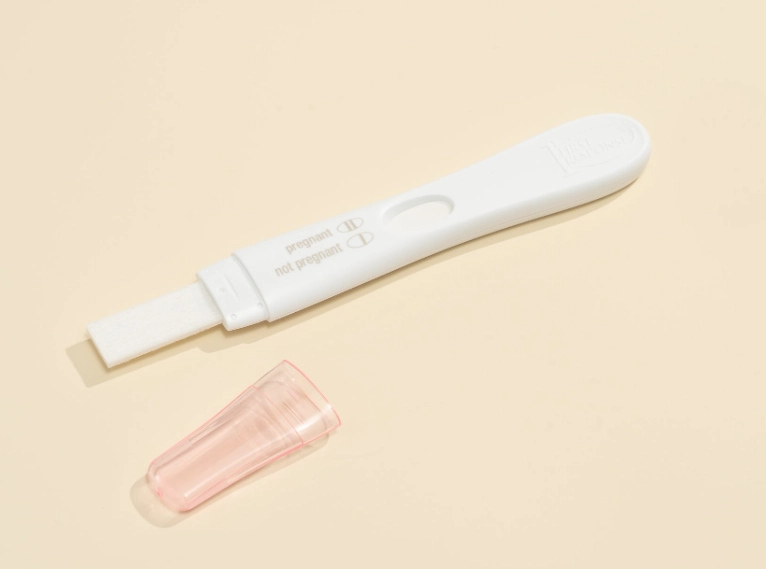
Before You Start: Picking Your Test and Timing It Right
This might be the most important section. Getting the wrong test or testing at the wrong time is the top reason for confusing results.
Choosing Your Pregnancy Test Kit
The drugstore shelf can be overwhelming. Digital, early detection, pink dye, blue dye, name brand, generic. Here's a quick breakdown to cut through the noise.
| Type of Test | How It Works/Displays | Best For | My Personal Take |
|---|---|---|---|
| Standard Midstream (Pee-on-stick) | You hold the absorbent tip in your urine stream. Results appear as lines (pink or blue) in a result window. | Most people. It's simple and usually affordable. | The classic. I find pink dye tests easier to read than blue dye, which can sometimes have a faint "evaporation line" that looks like a positive. |
| Digital | You use it like a midstream test, but a screen spells out "Pregnant" or "Not Pregnant." Some even estimate weeks since conception. | Anyone who hates interpreting lines. It leaves zero room for doubt. | Takes the squinting out of the equation. Fantastic for clarity, but they're more expensive and, in my experience, the battery can die if it's been on the shelf too long. |
| Test Strip/Cassette | You collect urine in a cup and dip the strip in, or use a dropper to place urine on a cassette. | Bulk buying (common for fertility tracking) or if you prefer cup collection. | These are often the most sensitive and cheapest per test, but the process feels more clinical and messy. Not as user-friendly for a first-timer wondering how is pregnancy kit used. |
| Early Detection Tests | These are midstream or digital tests marketed to detect lower levels of hCG, allowing testing 4-6 days before your missed period. | Impatient testers (we've all been there!). | A double-edged sword. Yes, they can work early, but testing too soon increases the chance of a false negative. The wait is agony, but testing closer to your missed period is more reliable. |
My advice? For your first test, grab a simple midstream test from a reputable brand. Save the fancy digital or early test for a follow-up if you need confirmation.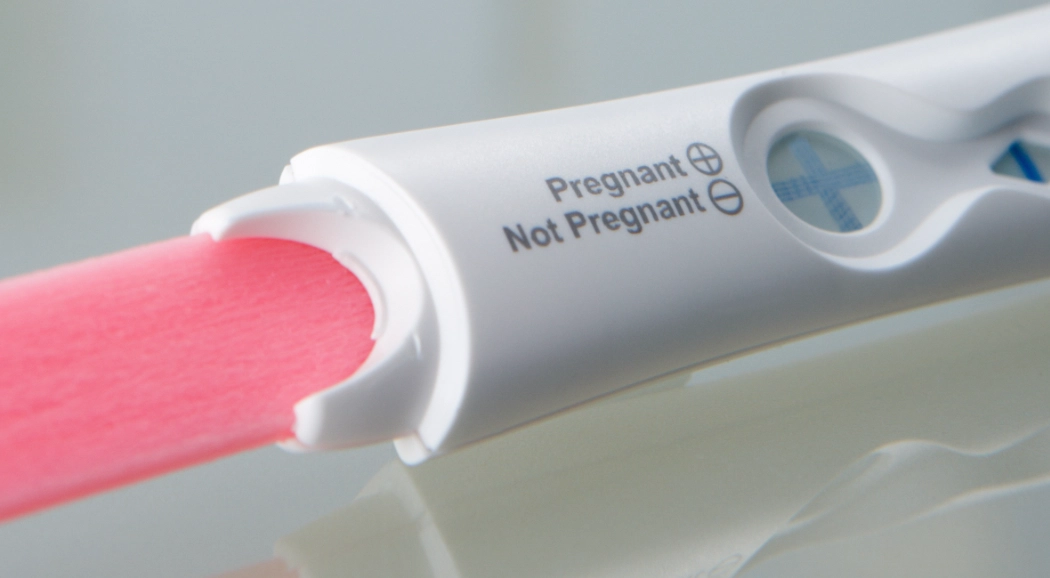
The Million-Dollar Question: When to Test?
Timing is everything. Test too early, and you might get a negative even if you're pregnant (a false negative). This is the biggest heartbreak and the most common user error.
But what if your cycle is irregular? It happens. If you're not sure when your period is due, the best practice is to test at least 19 days after you last had unprotected sex. For the most authoritative guidance on pregnancy testing, the CDC's guide on pregnancy testing is an excellent resource, though it's more clinical.
And the time of day? First-morning urine is recommended because it's the most concentrated and has the highest level of hCG. If you're testing later in the day, try to hold your urine for 3-4 hours to let hCG build up again. Don't go chugging gallons of water beforehand—it can dilute your urine and potentially skew the result.
The Step-by-Step: Exactly How is a Pregnancy Kit Used?
Okay, deep breath. Let's break this down into foolproof steps. While you should always read the specific instructions in your kit (brands can differ slightly!), this is the universal process.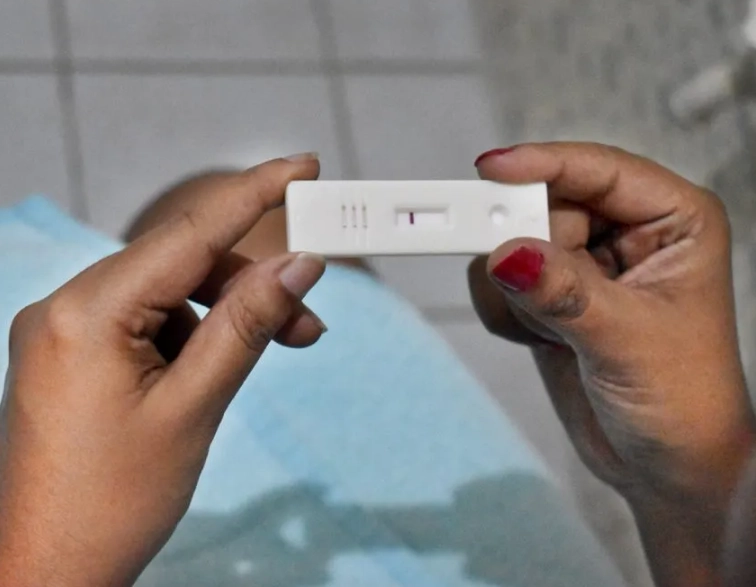
Step 1: Read the Instructions. Yes, Really.
I know, I know. You're in a hurry. But every box has a leaflet. Skim it. Note the waiting time for results (usually 3-5 minutes). Some tests have a control line that must appear for the test to be valid. Knowing this beforehand prevents a panic later.
Step 2: Get Set Up
Take the test out of its foil pouch. Have a clean, flat, dry surface ready (the edge of the sink, a paper towel). Have a timer (your phone is perfect) handy. If you're using a cup-style test, have your clean collection cup ready.
Step 3: Collect the Sample
For a Midstream Test: Remove the cap to expose the absorbent tip. Hold the stick by the handle, with the tip pointing downward. Place the absorbent tip in your urine stream for the time specified in the instructions (usually 5-10 seconds). Don't get the rest of the stick wet. It's not as hard as it sounds. You can also pee into a clean cup and dip the tip in for the required time—some people find this easier to control.
For a Dip Strip/Cassette: Pee into a clean, dry cup. Dip just the strip (to the marked line) into the urine for the required time (e.g., 5 seconds). For a cassette, use the provided dropper to transfer a few drops into the sample well.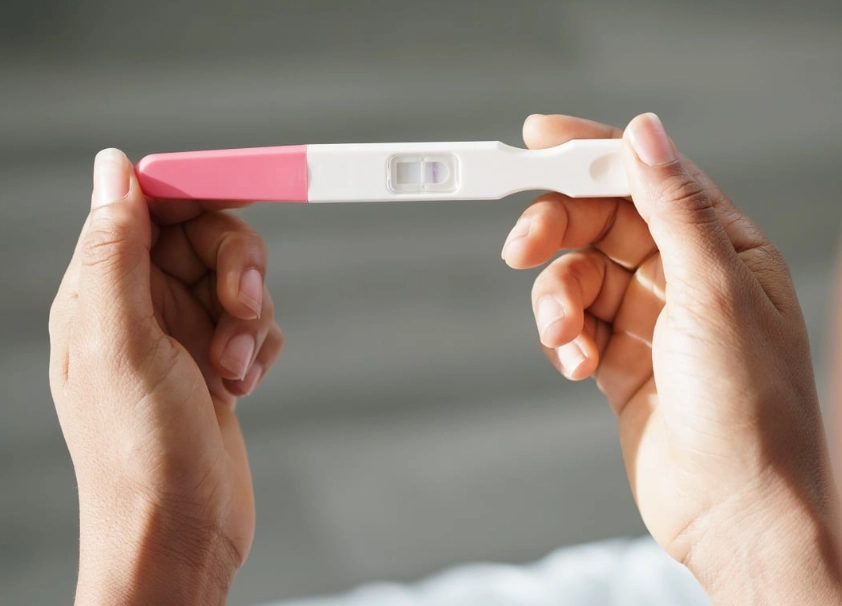
Step 4: Wait (The Hardest Part)
Recap the test (if it has one) and lay it flat on that dry surface. Start your timer for the full waiting period. Do NOT read the results at 1 minute or 4 minutes if it says 5. Do NOT pick it up and stare at it under different lights. Put it down and walk away. Seriously, go do something else for a few minutes. Reading it too early or too late can lead to misleading lines (evaporation lines).
This is the core of how a pregnancy test kit is used correctly—the disciplined wait.
Step 5: Read the Results
Timer's up. Now look.
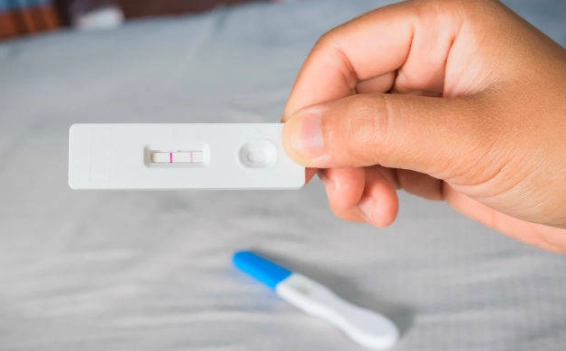
- Positive: You will see two distinct lines, or a plus sign (+), or the words "Pregnant" on a digital screen. The test line can be fainter than the control line—a faint line is still a positive. It means hCG is present, just in a lower concentration.
- Negative: You will see only one line (the control line), or a minus sign (-), or "Not Pregnant."
- Invalid: No control line appears, the screen is blank, or an error symbol shows. This means the test didn't work. It could be a faulty test, or you didn't use enough urine. Try again with a new kit.
Common Pitfalls and How to Avoid Them
Let's talk about where things go wrong. I've made some of these mistakes myself, and hearing from others, it's incredibly common.
Testing Too Early: We covered this, but it bears repeating. It's the #1 cause of false negatives. The urge to test is powerful, but patience yields a more reliable answer.
Misreading the Lines: Squinting at the test in dim light, looking at it from an angle, checking it hours later. Trust the process and read it in good light, within the time window, looking straight on.
Using an Expired Test: Check the date on the box! The chemicals in the test strip degrade over time and may not work properly.
Drinking Too Much Fluid Beforehand: Diluted urine = diluted hCG. This can lower the concentration below the test's detection threshold, causing a false negative.
Not Following the Specific Instructions: Some tests require holding the tip in urine for 5 seconds, some for 10. Some say to lay it flat, some say to hold it tip-down. The leaflet isn't just for decoration.
What to Do After You Get Your Result
If the Test is Positive
First, congratulations (if this is welcome news)! Or, take a moment to process if it's unexpected.
- Confirm with a Follow-up Test: Take a second test in a day or two, ideally with first-morning urine. This confirms the result and can show the line getting darker as hCG rises.
- Schedule an Appointment with a Healthcare Provider: This is the crucial next step. They will confirm the pregnancy with a blood test (which measures the exact amount of hCG) and a clinical urine test, and start you on prenatal care. The American College of Obstetricians and Gynecologists (ACOG) is a premier authority for finding reputable information and understanding next steps.
If the Test is Negative, But Your Period is Still Late
Don't assume you're not pregnant just yet.
- You may have tested too early. Wait 3-7 days. If your period still hasn't arrived, test again.
- Your cycle might just be off. Stress, illness, changes in diet or exercise, and hormonal fluctuations can all delay ovulation and your period.
- If you get repeated negatives but miss multiple periods, see your doctor to rule out other medical conditions.

Frequently Asked Questions (The Stuff You're Secretly Googling)
How accurate are home pregnancy tests really?
When used correctly on or after the day of your missed period, they claim over 99% accuracy. In real-world use, where people test early or make mistakes, the accuracy is lower. The U.S. Food and Drug Administration (FDA) regulates these as medical devices, and you can find detailed information on their consumer page on home pregnancy tests.
Can medications affect the result?
Most common medications (birth control, antibiotics, pain relievers) do not affect the test. Fertility drugs containing hCG (like some injections used in IVF) can cause a false positive because they literally put the hormone the test detects into your system. Always tell your doctor about any medications you're on.
I see a very faint line. Am I pregnant?
Probably yes. As the saying goes, "a line is a line." It indicates hCG is present. Test again in 48 hours. The line should become noticeably darker as your pregnancy progresses and hCG levels double roughly every 48 hours in early pregnancy.
How soon after a missed period can I test?
You can test the very first day your period is late. For the highest accuracy and to minimize the chance of a false negative, waiting a week after your missed period is even better. This directly addresses a key part of learning how is pregnancy kit used for best results.
Do digital tests have evaporation lines?
No. This is their biggest advantage. They display words, so there's no ambiguity. However, they can display error messages or fail if not used correctly.
Final Thoughts and My Two Cents
Understanding precisely how is a pregnancy kit used takes the fear out of the process. It's a simple chemical reaction, but our hopes and fears get wrapped up in it. The key takeaways are painfully simple but easy to mess up: wait until at least the first day of your missed period, use first-morning urine, follow the instructions to the letter, and read the result within the time window.
I remember the first time I used one. I was so nervous I almost dropped it in the toilet. I read the instructions three times and still second-guessed how long I held it. I stared at the blank window for what felt like an hour. It's a uniquely stressful experience, but being informed makes it manageable.
If you get a result that surprises you or that you don't understand, don't spiral. Take a second test after a proper wait, and talk to a doctor. They have the tools and expertise to give you a definitive answer and guide you on your next steps, whatever they may be.
Reader Comments