Quick Navigation
- What's Actually Happening at One Month Pregnant?
- The Most Common Signs of Pregnancy 1 Month In
- The Less Obvious (But Still Common) Signs
- Signs of Pregnancy 1 Month: Symptom or PMS?
- How to Confirm Your Suspicions
- What NOT to Worry About (As Much)
- Your Next Steps: A Simple Action Plan
- Wrapping It Up: Trust Yourself, Then Verify
Let's be real for a second. That moment when you first wonder "Could I be pregnant?" is a weird mix of excitement, panic, curiosity, and a whole lot of googling. You're probably here because you've noticed something off with your body, maybe just a tiny shift, and you're trying to piece together the puzzle. Is it just a weird cycle, stress, or could those be the actual signs of pregnancy at 1 month?
I remember a friend texting me at 2 AM with a list of symptoms that sounded more like a bad flu. She was convinced, then unconvinced, then back to convinced again. It's a confusing time. Your body starts sending signals, but they're in a language you don't quite speak yet. This guide is here to translate.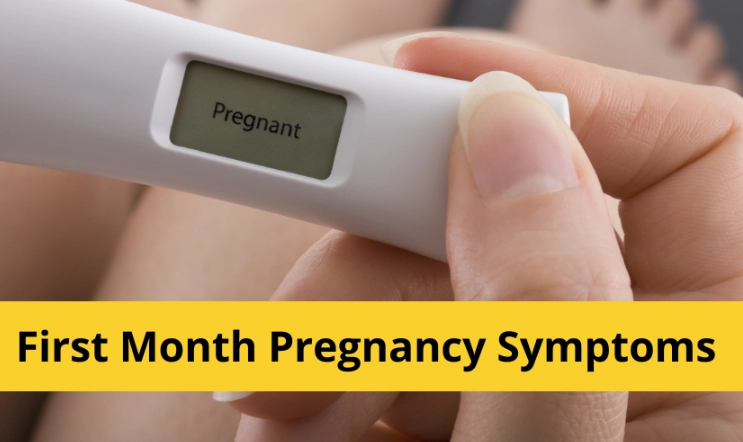
We're going to walk through everything—the classic signs everyone talks about, the sneaky ones nobody warns you about, and the downright strange stuff that makes you question your sanity. More importantly, we'll talk about what to do after you spot these potential signs of pregnancy 1 month in, because knowing is only half the battle.
What's Actually Happening at One Month Pregnant?
Okay, so "1 month pregnant" is a bit of a tricky concept. Doctors count pregnancy from the first day of your last menstrual period (LMP), not from conception. So, at the time of your missed period—which is when most people start looking for signs—you're already considered about 4 weeks pregnant. Wild, right? By this point, if conception occurred, the fertilized egg has traveled, implanted in your uterine lining, and started producing the pregnancy hormone hCG (human chorionic gonadotropin). This hormone is the ringleader behind most of the early signs of pregnancy at 1 month.
Your body is launching a massive, silent construction project. It's not just about a baby yet; it's about building the entire support system—the placenta, the amniotic sac, increasing blood volume. The changes are profound, and they can manifest in some pretty unexpected ways.
The Most Common Signs of Pregnancy 1 Month In
These are the usual suspects. If you're experiencing a combination of these, it's a pretty strong nudge to take a test.
The Big One: A Missed Period
This is the headline act, the sign that sends most people to the store for a test. If your cycle is usually regular and your period is late, pregnancy is a top possibility. But it's not a sure thing. Stress, significant weight changes, hormonal imbalances, or changes in medication can also cause delays. Still, when combined with other symptoms, a missed period is a major clue in the signs of pregnancy 1 month puzzle.
Tender, Swollen Breasts
This isn't your average pre-period tenderness. We're talking next-level sensitivity. Your breasts might feel heavy, sore, tingly, or just plain painful to the touch. The areolas (the area around your nipples) might darken and the little bumps on them (Montgomery's tubercles) might become more pronounced. It's your body prepping the milk ducts, and it can start surprisingly early.
Fatigue That Hits Different
This isn't "I stayed up too late" tired. This is profound, bone-deep exhaustion that can make a simple trip to the grocery store feel like a marathon. You might find yourself needing a nap in the middle of the day or falling asleep on the couch at 8 PM. Your body is using a huge amount of energy to build the placenta and support your rising progesterone levels.
Nausea (With or Without Vomiting)
"Morning sickness" is a cruel misnomer. It can strike at any time—morning, noon, or night. For some, it's a constant low-grade queasiness. For others, it's specific aversions to smells (that coworker's coffee suddenly smells like a chemical weapon) or foods you used to love. The exact cause isn't fully understood, but it's strongly linked to those rising hCG levels. Not everyone gets it, but it's a hallmark sign for many.
Increased Urination
Running to the bathroom more often? Even before your uterus is big enough to press on your bladder, your body's increased blood flow makes your kidneys work more efficiently, producing more urine. It's a subtle but persistent sign among the 1 month pregnancy symptoms.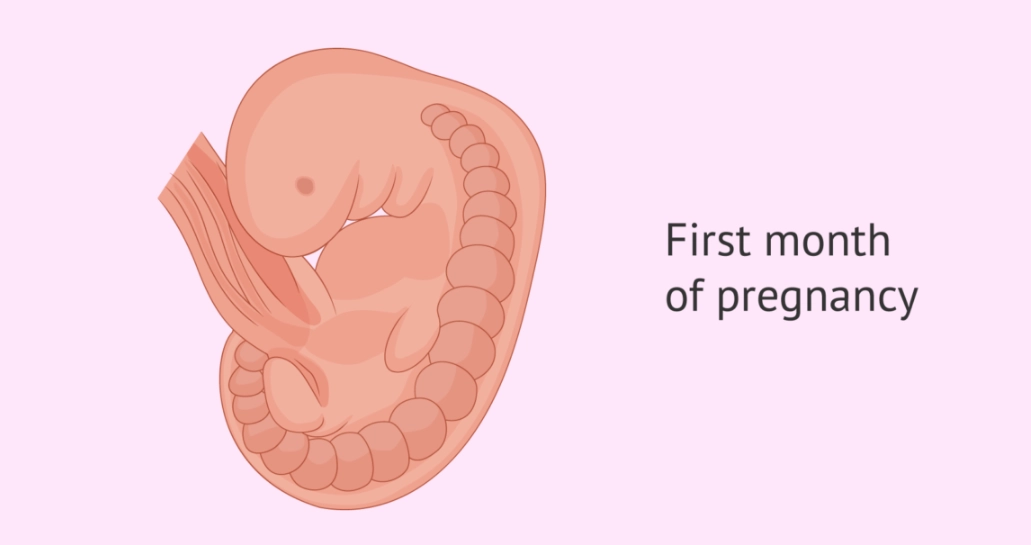
The Less Obvious (But Still Common) Signs
These might not make it to the top of every listicle, but they're incredibly common and can be just as telling.
Implantation Bleeding and Cramping
About 6-12 days after conception, as the fertilized egg burrows into the uterine lining, you might experience light spotting or bleeding. It's usually much lighter than a period—pink or brown in color—and lasts only a day or two. Some mild cramping can accompany it. Many people mistake this for a very light period, which can throw off their timing. If you have unexplained light spotting around the time your period is due, it's worth noting.
Mood Swings
Feeling like you're on an emotional rollercoaster? One minute you're weeping at a cute dog video, the next you're irrationally irritated by the way someone is chewing. The flood of hormones, particularly progesterone, can significantly impact your neurotransmitters, leading to mood instability that can feel intense and confusing.
Bloating and Constipation
Rising progesterone relaxes smooth muscle tissue throughout your body, including your digestive tract. This slows everything down, leading to bloating, gas, and constipation. You might feel "puffy" around the middle well before you have an actual baby bump. It's one of those signs of pregnancy 1 month in that feels very much like pre-menstrual bloat, which is why it's easy to dismiss.
Heightened Sense of Smell
Suddenly, you can smell the neighbor's dinner cooking three houses down. Or the scent of your partner's shampoo is now overwhelming. This hyperosmia is a strange but frequent early pregnancy symptom, likely another hormone-driven change. It's often directly linked to food aversions and nausea.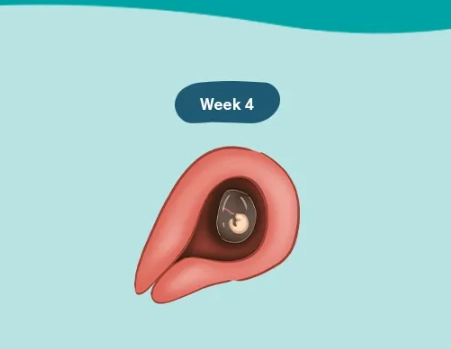
Metallic Taste in Your Mouth
Some women report a persistent metallic or sour taste in their mouths, a condition called dysgeusia. It can make food taste "off" and contribute to a lack of appetite. It's a weird one, for sure.
Signs of Pregnancy 1 Month: Symptom or PMS?
This is where it gets frustrating. Let's break down the differences in a way that's actually helpful.
| Symptom | Pregnancy (1 Month) | PMS |
|---|---|---|
| Breast Tenderness | Often more intense, lasting. Areolar darkening/bumps. | Generalized soreness, usually subsides once period starts. |
| Cramping | Mild, intermittent, often with implantation spotting. | Can be mild to severe, typically leads to/heavy flow. |
| Bleeding/Spotting | Light implantation spotting (pink/brown), short duration. | Full menstrual flow, starting light/heavy and lasting days. |
| Fatigue | Profound, debilitating exhaustion. | General tiredness, often related to sleep disruption from cramps. |
| Mood Swings | Can be more volatile, may include unexpected euphoria. | Often irritability, sadness, anxiety. |
| Food Cravings/Aversions | Strong, specific, often to smells. May cause nausea. | General cravings (chocolate, salty foods), less intense. |
| Nausea | Common, can occur any time of day. | Not a typical PMS symptom. |
The table helps, but honestly, the overlap is maddening. The most reliable differentiator is the combination of symptoms and their persistence past your expected period date. If you have PMS-like symptoms but no period shows up, that's a big red flag (or a green light, depending on your perspective).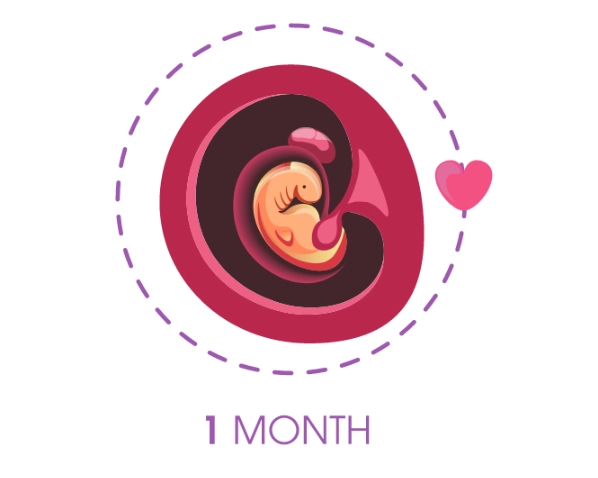
How to Confirm Your Suspicions
Okay, you've ticked off a few boxes. Your brain is buzzing with "what ifs." What's the next, most practical step?
Home Pregnancy Tests (HPTs)
These are your first line of defense. They work by detecting hCG in your urine. Modern tests are highly accurate if used correctly. The key is timing. For the most reliable result, test on or after the first day of your missed period. Testing too early can give a false negative because hCG levels might not be high enough to detect. First-morning urine usually has the highest concentration of hCG. If you get a negative but still have strong signs of pregnancy 1 month in, wait a few days and test again.
Blood Test
Done at a doctor's office or clinic, a quantitative blood test can detect even tinier amounts of hCG and can give you an approximate level. This is more sensitive than a urine test and can confirm pregnancy earlier. It's the definitive way to know, medically speaking.
Seeing a Healthcare Provider
Once you have a positive test, call your OB-GYN, family doctor, or a local clinic (like Planned Parenthood). They will confirm the pregnancy and start you on the path to prenatal care. This first appointment is crucial for discussing your health history, starting prenatal vitamins (folic acid is super important early on), and getting a rough due date.
What NOT to Worry About (As Much)
The internet is a scary place when you're symptom-spotting. Let's dial back some common anxieties.
"I don't have any nausea. Does that mean something's wrong?" Nope. Up to 30% of pregnant people experience little to no nausea. Consider yourself lucky!
"My symptoms come and go. Is that normal?" Absolutely. Symptoms can fluctuate hour by hour and day by day. Having a "good" day doesn't mean anything is wrong. The hormone levels are still rising, but your body's reaction to them can vary.
"I have bleeding—does this mean I'm miscarrying?" Not necessarily. Light spotting can be normal, especially around the time of implantation or after sex (due to increased cervical sensitivity). However, any bleeding should be reported to your doctor so they can evaluate. Heavy bleeding with cramping is more concerning.
The absence of certain 1 month pregnancy symptoms is not a sign of a problem. Every pregnancy is unique.
Your Next Steps: A Simple Action Plan
- Take a Test. Don't live in suspense. Get a reliable home pregnancy test.
- Call a Doctor. If it's positive, schedule an appointment. If it's negative but you still have no period in a week, test again or call a doctor to investigate other causes.
- Start Taking Prenatal Vitamins. If you're trying or suspect you might be, start now. Folic acid is critical in the earliest weeks for preventing neural tube defects. The American College of Obstetricians and Gynecologists (ACOG) has clear guidelines on this.
- Adjust Lifestyle Gently. If you think you might be pregnant, it's wise to avoid alcohol, limit caffeine, and stop smoking. Don't panic about past indulgences—just focus on moving forward.
- Listen to Your Body. Rest if you're tired. Eat small, bland meals if you're nauseous. Give yourself grace.
Wrapping It Up: Trust Yourself, Then Verify
Spotting the potential signs of pregnancy 1 month into the journey is all about tuning into your body's new, strange broadcast. The signals can be subtle, confusing, and eerily similar to your monthly cycle. But you know your body better than anyone. If something feels different, there's probably a reason.
The most important thing is to move from wondering to knowing. Use the information here as a map, but let a pregnancy test and a conversation with a healthcare provider be your destination. Whether the result is the start of a new chapter or simply an interesting biological blip, having clear, accurate information puts you in control. And honestly, that's the best place to be.
Good luck out there. Pay attention, be kind to yourself, and take that next step.
Reader Comments