Quick Navigation
- Why Bother with Vitamins Before You're Even Pregnant?
- The Must-Have Nutrients in Your Pre Pregnancy Vitamins
- Choosing Your Pre Pregnancy Vitamins: A Practical Comparison
- When Should You Actually Start Taking Them?
- Beyond the Pill: What Your Diet Adds (and What It Can't)
- Putting It All Together: Your Action Plan
Let's be honest, the world of pre pregnancy vitamins can feel overwhelming. You walk down the supplement aisle or scroll online, and you're hit with a hundred different bottles, all promising to be the "best" for your fertility and future baby. It's enough to make anyone's head spin. I remember staring at the labels, completely lost, wondering if I really needed all this stuff. The short answer? Some of it is absolutely crucial, and some... well, let's just say the marketing can get a bit ahead of the science.
This isn't about scaring you or adding to the noise. Think of this as a chat with a friend who's done a ton of research (and made a few mistakes along the way). We're going to break down exactly why these nutrients matter long before you see a positive test, what you should actually look for in a bottle of pre pregnancy vitamins, and clear up the confusion about timing. Because getting this right isn't just a nice-to-have; for many women, it's a foundational step for a healthy pregnancy.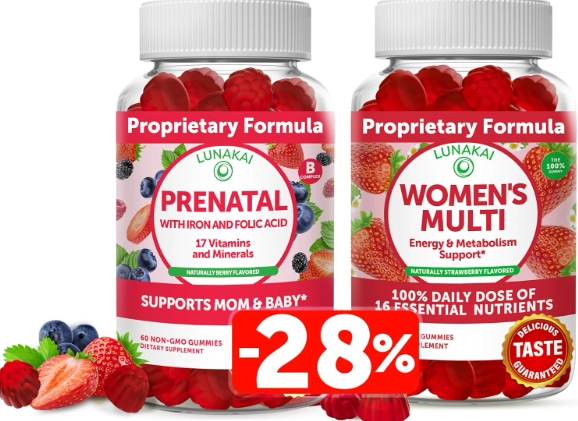
Why Bother with Vitamins Before You're Even Pregnant?
This is the big question, right? If you're not pregnant yet, why start acting like you are? The logic is surprisingly simple, yet most people don't hear about it until they're already trying. The most critical window for a baby's development is in the first few weeks after conception—often before you even miss your period. That's when the neural tube, which becomes the brain and spine, is forming. If you wait until you get a positive test to start taking key nutrients like folic acid, you've already missed that crucial early phase.
It's like preparing soil before you plant a seed. You want the environment to be rich and ready to support growth from the very first moment. Taking pre pregnancy vitamins is about building up your body's nutrient stores. Things like iron and folate are used to create your baby's red blood cells and support the massive increase in your own blood volume. Starting early ensures you're not playing catch-up.
There's also the fertility angle. While no pill is a magic bullet for conception, being nutritionally replete helps your body function optimally. It regulates cycles, supports egg quality, and creates a more hospitable environment overall. It's one of those basic, controllable things you can do. Is it a guarantee? Of course not. But it stacks the odds in your favor, and frankly, it makes you feel proactive in a process that can often feel out of your control.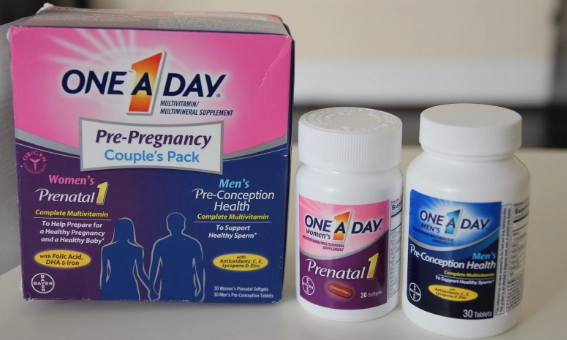
The Bottom Line: Starting pre pregnancy vitamins is a proactive, evidence-based step. It prepares your body's "nutrient bank" for the massive demands of pregnancy, covering vital developmental stages that occur before you know you're pregnant, and supports your overall reproductive health.
The Must-Have Nutrients in Your Pre Pregnancy Vitamins
Okay, so you're convinced you need them. Now, what exactly should you be looking for? Not all prenatal or pre pregnancy vitamins are created equal. Some are packed with extras you don't need, and some skimp on the essentials. Let's focus on the heavy hitters—the nutrients with the strongest scientific backing for women who are planning a pregnancy.
The Non-Negotiables
These are the stars of the show. If your supplement doesn't have these in the right amounts, keep looking.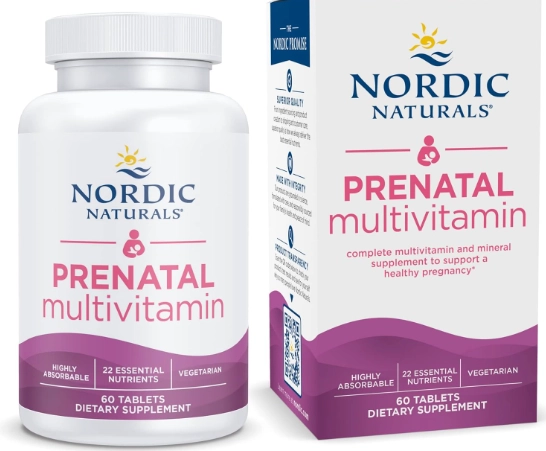
- Folic Acid (Folate): This is the big one. The CDC and every major health organization shout this from the rooftops for a reason. Folic acid drastically reduces the risk of serious neural tube defects like spina bifida. The standard recommended dose is 400 to 800 micrograms (mcg) daily before conception and during early pregnancy. Some experts now recommend the metabolically active form, L-methylfolate, especially for women with a common genetic variation (MTHFR) that makes it harder to process regular folic acid. It's more expensive, but for some, it's worth it.
- Iron: Your iron needs shoot up during pregnancy to support that increased blood volume for you and your growing baby. Starting with good iron stores prevents anemia, which can cause debilitating fatigue and complicate pregnancy. Most pre pregnancy vitamins contain around 27 milligrams (mg). A word of caution: iron can be tough on the stomach. If you experience constipation or nausea, consider taking it with food or looking for a gentler form like iron bisglycinate.
- Iodine: This one flies under the radar but is incredibly important. Iodine is essential for your thyroid function and your baby's brain development. Many women are mildly deficient. Look for a supplement with about 150 mcg. The National Institutes of Health notes its critical role in cognitive development.
The Strong Supporters
These nutrients are increasingly seen as vital players on the team.
- Choline: This is like folate's partner in crime for brain development. It's crucial for closing the neural tube and forming memory centers. Shockingly, most standard pre pregnancy vitamins don't include enough—or any. The recommended intake for pregnant women is 450 mg, and it's hard to get that from diet alone. Finding a supplement with choline is a major win.
- Vitamin D: Almost everyone is a bit low on this "sunshine vitamin." It's vital for immune function, calcium absorption, and may play a role in fertility. Aim for at least 600 IU (15 mcg), but many practitioners recommend 1000-2000 IU for optimal levels, especially if you live somewhere cloudy or have darker skin.
- Omega-3 DHA: This fatty acid is a building block for the fetal brain and eyes. While often found in separate fish oil pills, more and more comprehensive pre pregnancy vitamins are including it. If yours doesn't, you might want to add a separate DHA supplement.
Then there's the rest of the cast—vitamins like B12, B6, C, and minerals like calcium, zinc, and selenium. They're important for general health and metabolism. A good quality supplement will have them, but they're rarely the primary reason you choose one bottle over another.
A Quick Reality Check: More is not always better. Mega-doses of certain fat-soluble vitamins (like A and E) can actually be harmful. Stick to supplements designed specifically for pregnancy planning, as they formulate within safe upper limits. Avoid "fertility blends" with a kitchen sink of unproven herbs unless your doctor approves them.
Choosing Your Pre Pregnancy Vitamins: A Practical Comparison
With so many options, how do you pick? Price, form, and ingredient quality vary wildly. Here’s a look at some common types to help you decide what might work for your lifestyle and budget. Remember, the "best" one is the one you'll take consistently.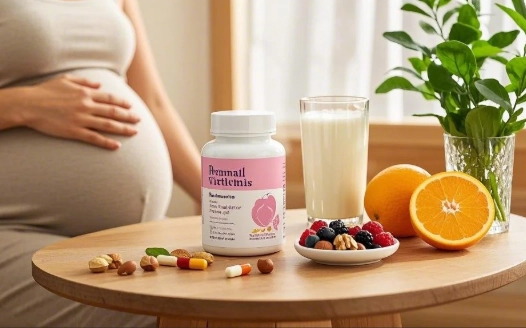
| Type | What It Is | Pros | Cons | Good For... |
|---|---|---|---|---|
| Comprehensive Capsule/Tablet | The standard multivitamin pill. Often includes iron. | Most common; usually cost-effective; precise dosing. | Can be large/hard to swallow; iron may cause stomach upset. | Those without severe nausea or pill-swallowing issues. |
| Gummy Vitamins | Chewable, flavored vitamins. | Easy to take; no swallowing issues; often taste good. | Almost never contain iron or calcium (gummy texture); may have added sugars/sweeteners. | Those who struggle with pills or have a sensitive stomach early on. |
| Prenatal Packs | Daily packets containing 2-4 separate pills (multivitamin, DHA, etc.). | Often more comprehensive; separates nutrients for better absorption. | More expensive; multiple pills to take. | Those wanting top-tier, comprehensive nutrition and don’t mind the cost/complexity. |
| Food-Based or "Whole Food" Prenatals | Supplements derived from concentrated whole foods. | May be easier to digest; appeals to those preferring "natural" sources. | Much more expensive; nutrient levels can be less precise/standardized. | Individuals with very sensitive systems or strong preference for this philosophy. |
| Prescription Prenatal | Prescribed by a doctor, often through insurance. | Cost may be covered; higher doses of certain nutrients if needed. | May not be necessary for everyone; requires a doctor's visit. | Women with specific deficiencies, medical conditions, or whose insurance covers it. |
My personal journey involved starting with a gummy (because I hate big pills) and quickly realizing I was missing iron. I switched to a capsule and took it at night with a snack, which solved the stomach issue. It's a bit of trial and error.
When Should You Actually Start Taking Them?
This is where people get tangled up. The official, gold-standard recommendation from public health bodies like the American College of Obstetricians and Gynecologists (ACOG) is at least one month before you start trying to conceive. But let's get real—many pregnancies aren't meticulously planned down to the month.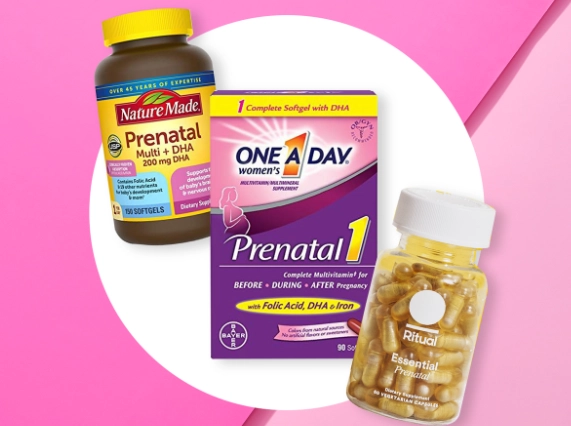
So here's a more practical way to think about it:
- The "Ideal" Planner: If you're actively planning to try in the next few months, start taking your pre pregnancy vitamins now. Aim for that 3-month window if you can. It gives your body ample time to build up optimal levels.
- The "Not Not Trying" Stage: If you're not using contraception but aren't actively tracking ovulation either, you should definitely be on them. Consider it a standard part of your health routine, like brushing your teeth.
- The "Oh, Maybe Someday" Mindset: If you're a woman of childbearing age and think there's even a remote possibility you might want a pregnancy in the next year or two, switching from a regular multivitamin to a prenatal formula isn't a bad idea. It's a harmless safety net.
The one scenario where you should start immediately? If you find out you're pregnant and haven't been taking them. Don't panic—just start that day. The next best time is now.
And how long do you take them? Straight through pregnancy and, if you're breastfeeding, throughout that period too. Your body is doing the hard work of nourishing another human, and the demands don't stop at birth.
Beyond the Pill: What Your Diet Adds (and What It Can't)
I need to stress this: pre pregnancy vitamins are a supplement, not a replacement for a healthy diet. They're called supplements for a reason—they fill in the gaps. You can't eat a terrible diet, pop a vitamin, and call it good.
Focus on building a plate full of whole foods: plenty of leafy greens (for natural folate), lean proteins (for iron), nuts and seeds, whole grains, and dairy or fortified alternatives. A diet rich in colorful fruits and vegetables provides antioxidants that support overall health.
But here's the reality check—even with a fantastic diet, hitting the targets for some nutrients is hard. Getting 400 mcg of folate from food means eating a lot of specific foods every single day. Getting enough choline is a real challenge. That's where your pre pregnancy vitamins come in. They're the reliable backup, the insurance policy that ensures those critical numbers are met, no matter what you had for lunch.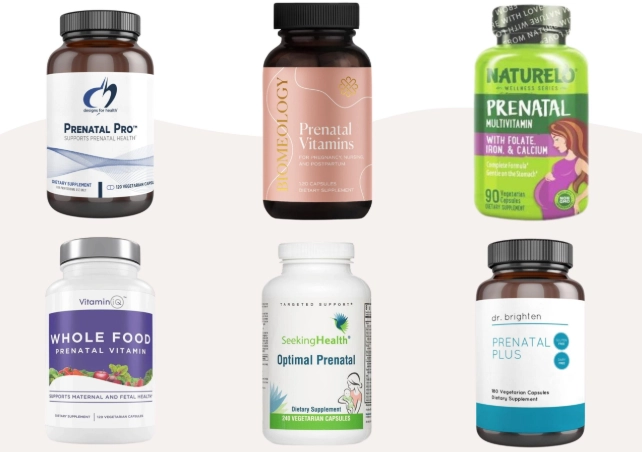
Putting It All Together: Your Action Plan
Alright, let's wrap this up with a simple, step-by-step plan so you don't feel paralyzed by choices.
- Have a Chat with Your Doctor. Before you buy anything, mention your plans at your next check-up. They can check for specific deficiencies (like vitamin D or iron) and advise you based on your personal health history. This is the most important step.
- Pick a Type Based on Your Life. Refer to the table above. Be honest with yourself—will you really take three giant pills a day? If not, start with a simple one-a-day or a gummy-plus-iron combo.
- Read the Label for the Big Three. Flip the bottle and look for Folic Acid/Folate (400-800 mcg), Iron (~27 mg), and Iodine (~150 mcg). If it has Choline and DHA, consider that a bonus.
- Start Taking Them Now. Don't wait for the "perfect" time. Make today Day 1. Pair it with an existing habit, like brushing your teeth in the morning.
- Tune Up Your Diet. Use this as motivation to add more whole foods to your meals. Think of the vitamin as your safety net, not your main act.
- Listen to Your Body. If a vitamin makes you feel awful, troubleshoot (take with food, switch times) or try a different brand. Consistency is key, so find one you can stick with.
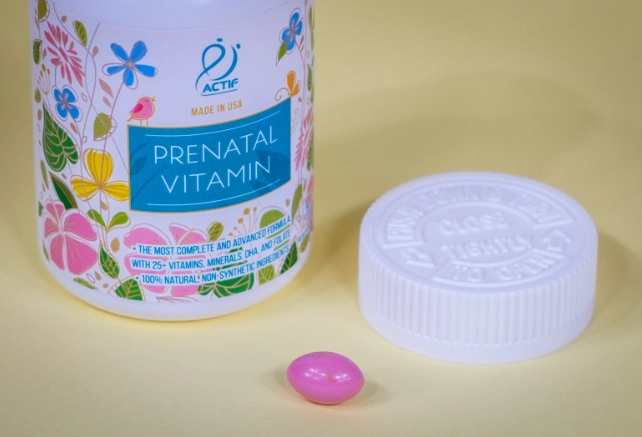 Navigating pre pregnancy vitamins doesn't have to be a confusing chore. It's one of the most concrete, science-backed things you can do to prepare your body for pregnancy. You're not just buying a bottle of pills; you're investing in the foundational health of your future family. Start where you are, choose wisely, and give yourself credit for taking this smart, proactive step. You've got this.
Reader Comments