Quick Guide to Sections
So, you're asking the big question: can you feel anything 1 week pregnant? Maybe you're trying to conceive and analyzing every little twinge. Or perhaps your period is late, and you're searching for clues. I get it. The wait is agonizing. You scour the internet, read forums, and cling to any possible sign. Let's cut through the noise and talk about what's actually happening in your body during that first week.
Here's the honest, sometimes frustrating, truth. Medically speaking, the first week of pregnancy is a bit of a misnomer. Doctors calculate your pregnancy from the first day of your last menstrual period (LMP). Yep, you read that right. That means during "week 1," you're not even pregnant yet. You're having your period. Conception typically happens around week 2 or 3 of this timeline. So, when we ask "can you feel anything 1 week pregnant?" in the common sense, we're usually talking about the first week after conception, which medically aligns with week 3 or 4. Confusing, right? It's one of the first hurdles in understanding early pregnancy.
Key Takeaway: The "feeling" of pregnancy is caused by hormones, primarily human chorionic gonadotropin (hCG). This hormone is produced by the embryo once it implants in the uterine lining, which happens about 6-12 days after conception. Before that, there's no biological mechanism to create pregnancy-specific sensations. So, if you're truly in the first 7 days post-conception, it's highly unlikely to feel anything definitive.
What's Actually Happening in Your Body (The Science Bit)
Let's break down the timeline because it explains everything. If we assume you mean one week after sex that could have led to conception, here's the play-by-play.
Day 0-1: Fertilization happens in the fallopian tube. That tiny zygote starts dividing as it travels.
Days 1-6: It's a journey. The cluster of cells (now called a blastocyst) is floating down the tube toward the uterus. It's not attached to you. Your body is blissfully unaware.
Days 6-10: This is the big event—implantation. The blastocyst burrows into the uterine lining. This is the first point where some women report feeling something. It can cause light spotting (implantation bleeding) and maybe, just maybe, a faint cramp. But these signs are subtle and easy to miss or mistake for pre-period cramps.
Only after implantation does your body start producing hCG in detectable amounts. This hormone is the one that tells your ovaries to keep producing progesterone, which maintains the uterine lining. No hCG, no sustained pregnancy, and no classic symptoms.
So, circling back to our core question: can you feel anything 1 week pregnant? If that week ends before implantation, the answer is almost certainly no. If that week includes implantation day, there's a slim chance of noticing something very subtle.
Symptoms You THINK You Feel vs. What's Actually Plausible
The mind is powerful. When you're hoping (or worrying) about pregnancy, you can interpret normal bodily functions as signs. Let's separate the common claims from biological reality for that first week post-conception.
Fatigue: "I'm so tired!" This is a top one. Can extreme fatigue hit at one week? Unlikely due to pregnancy. Progesterone, which rises after ovulation regardless of pregnancy, can make you tired. So you might feel tired, but it's not a pregnancy-specific clue yet. It's a luteal phase symptom.
Breast Tenderness: Again, thank progesterone. This hormone surges after ovulation, causing breasts to feel full, sore, or tingly. It happens every cycle. Distinguishing pre-menstrual soreness from early pregnancy soreness at one week is practically impossible.
Cramping: Mild cramping can be from implantation (if it happens late in the week), from gas, from intestinal movements, or from your uterus just doing its usual thing. It's a notoriously unreliable sign.
Nausea: Morning sickness? At one week? Almost no chance. That's driven by higher levels of hCG, which haven't had time to build up. If you feel queasy, think about what you ate.
"A Feeling": The infamous intuition. Some women swear by it. While I'd never dismiss someone's gut feeling, from a physiological standpoint, there's nothing to base it on at this stage. It's often hope or anxiety manifesting.
A Quick Comparison: PMS vs. Very Early Pregnancy
This is where everyone gets tripped up. The symptoms are identical because they're caused by the same hormone—progesterone.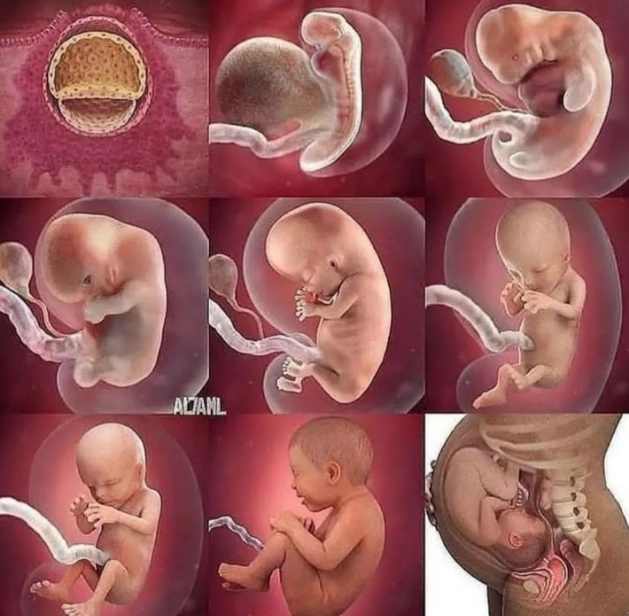
| Symptom | PMS (Pre-Menstrual) | Very Early Pregnancy (Week 3-4) | Likely at 1 Week Post-Conception? |
|---|---|---|---|
| Breast Tenderness | Very Common | Very Common | Yes, but not pregnancy-specific |
| Fatigue | Common | Common | Yes, but not pregnancy-specific |
| Mild Cramping | Common | Possible (implantation) | Maybe, if implantation occurs |
| Mood Swings | Very Common | Very Common | Yes, but not pregnancy-specific |
| Light Spotting | Uncommon (before flow) | Possible (implantation) | A key *possible* differentiator |
| Nausea | Uncommon | Rare before week 5-6 | Extremely Unlikely |
| Frequent Urination | Uncommon | Possible later | No |
See the problem? It's a guessing game. The only potential hint in that first week that isn't also a classic PMS symptom is implantation bleeding/cramping. And even that doesn't happen for everyone.
Myth Bust: I see products online like "early detection" creams or apps that claim to predict pregnancy from symptoms at 1 week. Honestly, save your money. They're preying on anxiety. No symptom is reliable that early. The only thing that will give you a real answer is time and then a test.
So, What SHOULD You Do at 1 Week?
Obsessing over whether you can feel anything 1 week pregnant is a fast track to driving yourself crazy. I've been there. Here's a more productive approach.
First, live your life normally. You can't change the outcome now. If you're trying to conceive, keep taking your prenatal vitamins with folic acid—this is crucial for early neural tube development. The CDC recommends all women of childbearing age take 400 mcg of folic acid daily. You can find their guidelines on folic acid recommendations here.
Second, avoid the "symptom spotting" rabbit hole. Every Google search for "tingling breasts" will confirm your bias. It's not helpful.
Third, understand test timing. This is the most important practical step. Home pregnancy tests detect hCG in your urine. Even the super-sensitive "early detection" tests need a certain level. That level isn't reached until after implantation, and then it needs a few days to double.
Most tests are accurate from the day of your missed period. If you have irregular cycles, wait at least 14-17 days after unprotected sex. Testing at one week post-sex is almost certainly a waste of a test strip and your emotional energy.
A Realistic Testing Timeline
- 6-7 Days Post-Ovulation (DPO): Implantation may occur. hCG production begins. Testing is futile.
- 8-10 DPO: hCG is present but very low. Some early tests might show a faint line, but a negative is meaningless. This is where the infamous "squinter" photos on forums come from.
- 12-14 DPO (Around Missed Period): This is the sweet spot. hCG levels are high enough for most tests to give a reliable result. Use first-morning urine for highest concentration.
If you get a negative at your missed period but still no period, wait 3 days and test again. Your ovulation might have been later than you thought.
Answers to Your Burning Questions (The FAQ You Actually Need)
When to Actually Worry and See a Doctor
Most early pregnancy concerns are normal, but some signs warrant a call to your healthcare provider, even this early.
Severe pain on one side, especially with dizziness or shoulder pain, could indicate an ectopic pregnancy. This is a medical emergency.
Heavy bleeding like a period. While implantation bleeding is light spotting, heavy flow with clots is likely your period or a very early miscarriage.
If you get a positive pregnancy test, even a faint one, it's time to schedule an appointment. They'll confirm the pregnancy and start prenatal care.
For reliable, in-depth information on early pregnancy signs and prenatal care, the American College of Obstetricians and Gynecologists (ACOG) website is an excellent resource. You can read their patient FAQs on early pregnancy here.
Final Thoughts: Patience is the Real Answer
So, after all this, what's the final verdict on "can you feel anything 1 week pregnant"? The body-science answer is a firm probably not. The lived-experience answer is that you might feel all sorts of things, but they're almost certainly not proof of pregnancy.
The desire for early certainty is powerful. We want control, we want to know. But early pregnancy, by its biological design, is a silent and hidden process for those first few days. The lack of feeling isn't a bad sign; it's the default setting.
My advice? Mark the date of your expected period on the calendar. Try to forget about it until then. Live in the uncertainty for a bit. When the time is right, take a test with first-morning urine. And remember, whether you're hoping for a yes or a no, the answer will come. No amount of symptom analysis in that first week will change it.
Focus on taking care of your general health—that's something you can control. Eat well, rest, manage stress. Your body will do what it's going to do. And when it's ready to tell you, you'll know.
Reader Comments