Four weeks pregnant. For most people, that's about the time you'd expect your period. If it doesn't show up, that's the classic first sign, right? Well, sometimes the story starts earlier, with whispers instead of shouts. At four weeks, a tiny blastocyst is just finishing its journey to implant in your uterine lining. The hormone hCG is starting its climb, but it's often too low for a home test to catch reliably. Your body, however, might already be sending signals—signals so quiet they're easy to dismiss as stress, a weird cycle, or just a bad day.
I remember a friend who was convinced she had a stomach bug. She was just off. It wasn't nausea, exactly. More like a persistent, low-grade aversion to her morning coffee, a smell she usually loved. That was her only clue at four weeks. She didn't feel pregnant. She just felt weird.
That's the thing about these early signs. They're masters of disguise. Let's talk about what to really look for, beyond the textbook lists.
What’s Inside: Your Quick Guide
Why 4-Week Pregnancy Signs Are So Tricky to Spot
Pregnancy dating is weird. You're called "4 weeks pregnant" from the first day of your last menstrual period (LMP), about two weeks before you even conceive. So at the 4-week mark post-LMP, implantation has just happened or is wrapping up. The hormonal shift is beginning, but it's a gentle nudge, not a shove. Progesterone (which rises after ovulation anyway) and early hCG are the key players. Their levels are low, so symptoms are often low-grade and incredibly easy to confuse with premenstrual syndrome (PMS). It's a biological gray area.
Most online resources list the same five symptoms. They're not wrong, but they often miss the nuance—the quality of the feeling that might tip you off.
The Hidden Signs: What You Might Actually Feel
Forget dramatic morning sickness. At four weeks, it's subtler. Here’s a breakdown of the common signs, but described through the lens of someone actually experiencing them, not a medical textbook.
1. Fatigue That Feels Different
We all get tired. Pregnancy fatigue at 4 weeks is different. It's not "I had a long day" tired. It's a deep, cellular exhaustion that can hit you at 2 PM, making your eyelids feel like weights. You might find yourself needing a nap on a day your schedule was clear, or struggling to get through a workout you normally breeze through. The key? It feels unearned and disproportionate to your activity.
2. Breast Changes Beyond Tenderness
Sure, sore breasts are a classic PMS symptom. The early pregnancy version can be more specific. It's not just tenderness when you poke them. It's a feeling of fullness, heaviness, or sensitivity to texture (like your bra seam suddenly feeling like sandpaper). The areolas might look darker or feel bumpier (those are Montgomery's tubercles getting ready for action). For some, the veins on the chest become more prominent, bluish, and visible.
A Personal Note: The vein thing was my first clue with my second. I looked in the mirror and thought, "Huh, I've never noticed that road map there before." It wasn't painful, just... new.
3. The Infamous Implantation Bleeding (or Not)
This is the most debated sign. Only about 15-25% of people experience it, according to the American College of Obstetricians and Gynecologists (ACOG). If it happens, it's typically:
- Timing: About 10-14 days after conception, right around when your period is due. This timing is why it's so confusing.
- Appearance: Usually light pink or brownish. It's spotting, not a flow. It shouldn't fill a pad or tampon and often lasts only a few hours to a couple of days.
- The Catch: Many mistake it for a light period. The difference? A true period, even a light one, will get heavier. Implantation bleeding stays light and then stops.
Don't panic if you don't have it. Not having implantation bleeding is perfectly normal and means nothing about the health of the pregnancy.
4. Mood Swings and the "Feeling Off" Sensation
This isn't just feeling irritable. It can feel like your emotional volume knob has been turned up. You might tear up at a mildly sweet commercial, feel sudden, intense irritation over a minor inconvenience, or have a sense of anxiety or unease you can't pinpoint. Many describe it as feeling "not like themselves"—a vague but persistent sense of being off-kilter.
5. Heightened Sense of Smell
This one can be surprisingly specific. It's not just noticing smells more. It's that previously neutral or pleasant smells (coffee, a partner's cologne, garlic cooking) suddenly become overpowering or even nauseating. You might walk into your kitchen and be hit by a wave of disgust from the smell of last night's dinner still lingering. It's a primal, visceral reaction.
6. Subtle Cramping and Bloating
Implantation can cause mild cramping, often described as a pulling, tingling, or dull ache in the lower abdomen. It's usually milder than period cramps. Combined with progesterone's effect of slowing your digestive tract, you might also feel unusually bloated—like you can't button your jeans, but your period hasn't started.
How to Tell Early Pregnancy Signs Apart from PMS
This is where everyone gets stuck. The hormones (progesterone) that cause PMS are the same ones rising in early pregnancy. The difference is often in duration and intensity.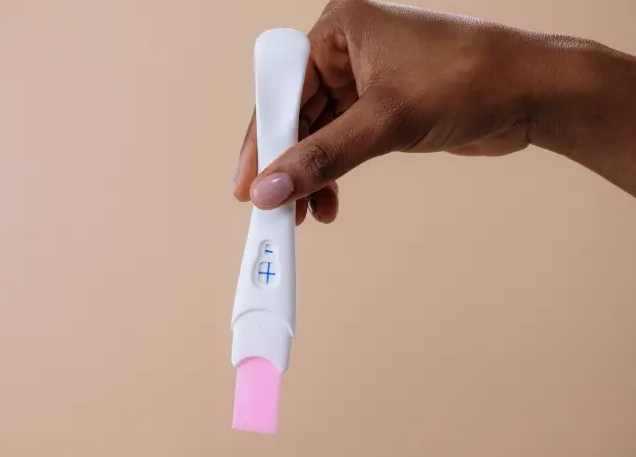
Let's break it down visually. The table below isn't a definitive diagnosis tool, but it highlights the subtle distinctions.
| Symptom | Typical PMS Experience | Possible Early Pregnancy (4 Weeks) Experience |
|---|---|---|
| Fatigue | Feeling tired, often related to sleep quality or stress. Improves with rest. | Profound, unshakable exhaustion that feels deep and unexplained. Naps don't fully fix it. |
| Breast Tenderness | General soreness, heaviness. Usually eases once period starts. | Pronounced sensitivity, fullness, visible vein changes, areola darkening. Tenderness may persist or increase. |
| Cramping | Often stronger, more consistent, leads to menstrual flow. | Milder, intermittent "twinges" or pulling sensations, often localized to one side initially. |
| Mood Changes | Irritability, sadness, anxiety. Lifts after period begins. | Can be more volatile—sudden tears, intense irritability, or a pervasive feeling of being "off." |
| Food Cravings/Aversions | Common (hello, chocolate!), but usually for specific comfort foods. | Can be sudden and specific, or a broad aversion to smells/tastes you normally enjoy (like coffee or meat). |
The biggest practical tip? Track your cycle and your normal PMS patterns. If you experience a symptom that is uncharacteristically intense for your usual PMS, or if it shows up a few days earlier than your typical pre-period symptoms, that's a clue worth noting. For example, if you never get breast soreness with PMS and suddenly do, that's more significant than if you always do.
When and How to Take a Pregnancy Test at 4 Weeks
At 4 weeks since your last period, you're likely at or near your expected period date. This is the earliest most tests are designed to work, but it's a borderline time.
- The Best Practice: Wait until the first day of your missed period. Even better, wait 2-3 days after. This gives hCG levels more time to rise, making the result more reliable.
- Which Test? Any FDA-cleared home pregnancy test is fine. Some early detection tests claim accuracy 4-5 days before your missed period, but their accuracy increases the closer you get to your missed period. Don't trust a faint line on a test taken 5 days early more than you trust a clear negative (or positive) on the day your period is due.
- How to Test for Accuracy: Use your first-morning urine. It's the most concentrated. Follow the instructions to the letter—don't read the test after the stated time window (usually 5-10 minutes), as evaporation lines can appear and are not positives.
If you get a negative but your period still doesn't come in a few days, test again. If you get a positive, congratulations! It's time for the next step.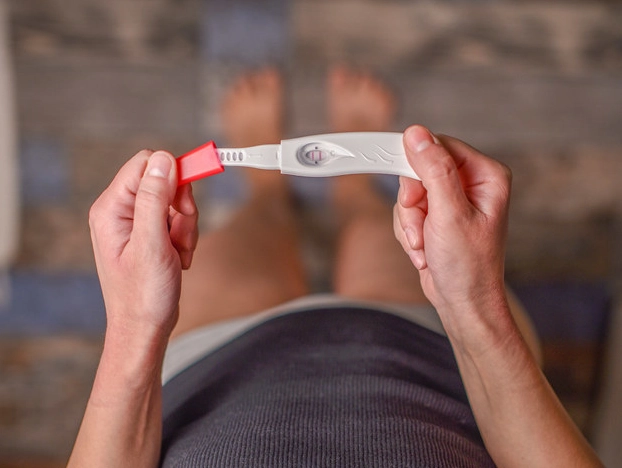
What to Do Next If You Suspect Pregnancy
So you've seen some signs, maybe even a positive test. Now what?
First, don't panic. Start taking a prenatal vitamin with at least 400 mcg of folic acid immediately if you aren't already. Folic acid is crucial for early neural tube development, which is happening right now.
Next, call your healthcare provider—an OB-GYN, a family doctor, or a midwife. Don't expect an ultrasound appointment right away. At 4-5 weeks, it's often too early to see much on an ultrasound besides maybe a gestational sac. Many practices will schedule your first prenatal appointment around 8-10 weeks.
In the meantime, avoid alcohol, recreational drugs, and smoking. Review any medications you're on with your doctor or pharmacist. Start thinking about your diet—aim for whole foods, but don't stress about perfection. Listen to your body. Rest if you're tired.
That "feeling off" sensation? It might just be the first chapter of a big story. Paying attention to these hidden signs at 4 weeks isn't about self-diagnosis, it's about tuning into your body's unique language during a time of incredible change.
Reader Comments