Your Quick Navigation
- Why Can't I Feel My Baby at 12 Weeks? The Science Behind the Silence
- What AM I Feeling Then? Decoding Your 12-Week Belly Sensations
- So, When CAN You Really Feel the Baby Move?
- Your Top Questions About Feeling Baby Move, Answered
- What Should I Do While I'm Waiting to Feel Movement?
- The Bottom Line: Patience is a Pregnancy Superpower
Let's cut straight to the point, because I know that's why you're here. You're probably lying there, hand on your still-mostly-flat belly, concentrating so hard you're barely breathing, wondering... is that it? Was that a flutter? A tiny pop? Or was it just last night's dinner making its presence known? The question "Can you feel the baby at 12 weeks?" is one of the most common, and most anxiety-inducing, searches for new moms-to-be. I remember it well.
Honestly, when I was first pregnant, I spent hours obsessing over this. Every little twinge, every gurgle, had me running to online forums. The stories there were a wild mix. Some women swore they felt flutters at 10 weeks. Others said they felt nothing until past 20 weeks. It was confusing, to say the least. It made me wonder if something was wrong with me or my baby. So let's clear the air, with some solid facts and a healthy dose of reality.
The short, medically-standard answer is: No, it is highly unlikely you can feel your baby move at 12 weeks pregnant. I know, I know. That's not the magical answer you might want to hear. But hear me out. Understanding the "why" behind this can save you a ton of unnecessary worry. Your baby is incredibly active at this stage—they're doing somersaults in there!—but they're just too tiny for you to perceive it. Think of a tiny goldfish swimming in a large, well-padded balloon. You wouldn't feel the goldfish bump the sides, right? Same principle.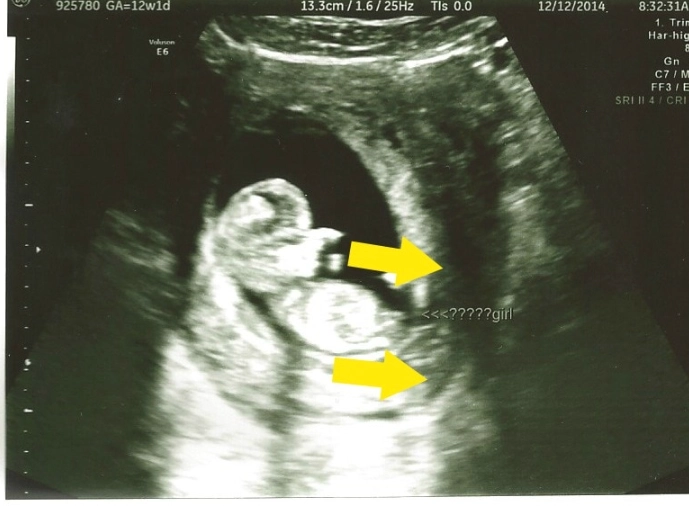
Quick Reality Check: If you search "can you feel the baby at 12 weeks" and find a bunch of "yes" answers, take them with a grain of salt. Often, what's being felt is intestinal gas, muscle twitches, or the uterus itself growing and stretching (which feels like a weird, fluttering tug). Genuine fetal movement, called "quickening," comes later for the vast, vast majority of women.
Why Can't I Feel My Baby at 12 Weeks? The Science Behind the Silence
It all comes down to physics and physiology. At 12 weeks, your baby is about the size of a lime, roughly 2 inches long from crown to rump. They weigh maybe half an ounce. They are surrounded by a generous amount of amniotic fluid and are still tucked down low behind your pubic bone. The layers between their tiny movements and your conscious awareness are numerous:
- The Size Factor: They're just too small. Their limbs, while moving, don't pack enough punch yet.
- The Uterus Position: Your uterus is still mostly within your pelvis, a bony structure that dampens sensation.
- The Amniotic Cushion: Plenty of fluid absorbs and disperses the force of their movements.
- The Abdominal Wall: Your own muscle and tissue layers provide significant padding, especially for first-time moms.
I once had a doctor explain it to me this way: feeling a 12-week fetus move from the outside would be like trying to feel a butterfly's wings flap while it's inside a sealed, water-filled Ziploc bag that's tucked under a couple of couch cushions. Not gonna happen. The American College of Obstetricians and Gynecologists (ACOG), a leading authority in women's health, consistently notes that quickening is typically first perceived between 18 and 22 weeks for first pregnancies. For subsequent pregnancies, it can be earlier, around 16 weeks, because you know what you're feeling for and your muscles are already stretched. You can read more about fetal development milestones on the ACOG website.
So, if you're sitting there at 12 weeks and feeling nothing, you are absolutely normal. In fact, you're in the overwhelming majority. Feeling movement this early is the rare exception, not the rule.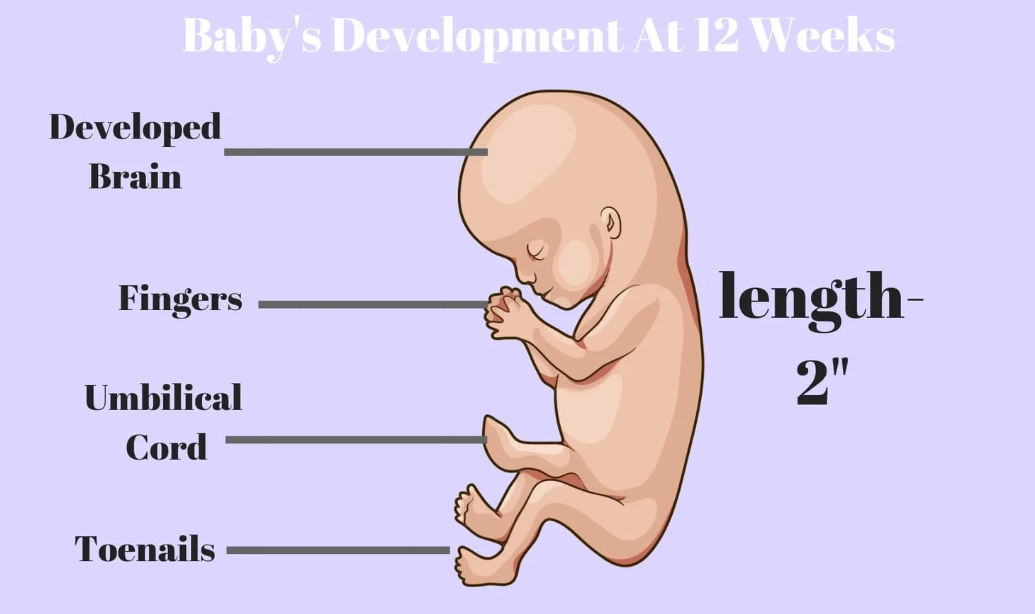
What AM I Feeling Then? Decoding Your 12-Week Belly Sensations
This is where it gets tricky. Your body is undergoing massive changes, and it's sending all sorts of new signals. It's incredibly easy to misinterpret them. When you're hyper-focused on the question "can you feel the baby at 12 weeks," every sensation gets magnified. Let's break down the usual suspects:
Common Imposters for Early Fetal Movement:
- Gas and Digestion: The number one culprit, by far. Progesterone slows your digestion, creating more gas bubbles that rumble, pop, and flutter in your intestines, which are right next to your growing uterus.
- Muscle Twitches: Your abdominal muscles are stretching and can involuntarily spasm or twitch, feeling like a tiny, localized pulse or jump.
- Uterine Ligaments Stretching: As your uterus grows, the round ligaments that hold it in place stretch. This can feel like a sharp, quick tug or a dull ache, often on one side. Sometimes it's mistaken for a rolling sensation.
- Aortic Pulse: You're pumping more blood. You might be feeling the pulse of your major abdominal aorta, which can feel like a steady, rhythmic tapping from the inside.
How do you tell the difference? In my experience, you can't reliably at this stage. Gas moves and then is gone. Ligament pain is more localized and often tied to movement (like standing up quickly). A muscle twitch is random and superficial. True early fetal movement, when it does happen exceptionally early (think 15-16 weeks for some), is often described as feeling like popcorn popping, a goldfish swimming by, or gentle bubbles—but it's fleeting and inconsistent for weeks. At 12 weeks, the odds are overwhelmingly in favor of it being something else.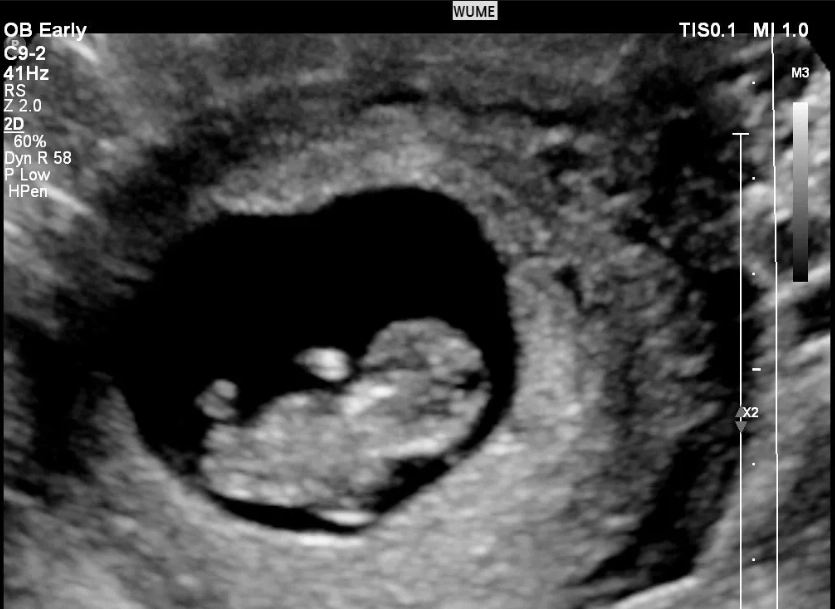
So, When CAN You Really Feel the Baby Move?
Let's talk timelines, because this is what gives you a light at the end of the tunnel. The journey from "is that the baby?" to "whoa, that's definitely the baby!" follows a pretty predictable pattern for most women. I've put together a table to visualize this progression, because seeing it laid out helped me immensely when I was waiting.
| Pregnancy Week | What's Happening with Baby | What You Might Feel (The "Quickening") | Likelihood of Feeling It |
|---|---|---|---|
| 12 Weeks | Baby is very active, moving arms/legs, hiccuping. | Typically nothing. Any sensation is likely gas, ligaments, or muscle twitches. | Extremely rare. |
| 16-18 Weeks | Baby is bigger, stronger. Movements more forceful. | Some second-time+ moms may start feeling faint flutters or pops (like popcorn). Often felt low in the abdomen. | Possible for experienced moms; still early for first-timers. |
| 18-22 Weeks | Baby's size and strength increase significantly. | First-time moms often feel first distinct movements here. Described as flutters, bubbles, or light taps. | Very common timeframe for first sensations. |
| 22-26 Weeks | Movements become regular and more pronounced. | Kicks and rolls you can't miss. You may start to see your belly jump from the outside. Partners can often feel them now. | Movement becomes a daily, reassuring occurrence. |
See that gap? There's a whole chunk of time between when the baby starts moving (around 8 weeks!) and when you can feel it. That's the waiting game. The Mayo Clinic's fetal development guide offers a great week-by-week look at this internal activity you're missing.
What does it actually feel like when it does happen? Everyone's description is a bit different, but there's a common thread. It's not a pain. It's not a cramp. For me, it felt exactly like someone was gently flicking me from the inside with a finger. Just a tiny, distinct *tap*. Then nothing for a few hours. Then maybe two taps. It was so subtle I almost talked myself out of believing it. Other common descriptions: butterflies, a goldfish swishing its tail, a tiny muscle twitch but deeper inside, or popcorn kernels softly popping.
Your Top Questions About Feeling Baby Move, Answered
I've scoured forums, talked to doctors, and drawn on my own experience. Here are the real questions women have when they search "can you feel the baby at 12 weeks" and its related worries.
Not impossible, but it is medically improbable. More likely, you have an exceptional awareness of your body, or you're further along than you think (dating can sometimes be off by a week or two). Or, as we discussed, it was a perfectly normal bodily function that felt new and significant. If you are one of the very few who feels genuine movement super early, it's usually because of factors like a very thin anterior abdominal wall, an anterior placenta (wait, that usually dampens feeling—more on that next), or simply being hyper-attuned. But please, don't use other people's "12-week flutter" stories as a benchmark for your own pregnancy. It sets up unnecessary anxiety.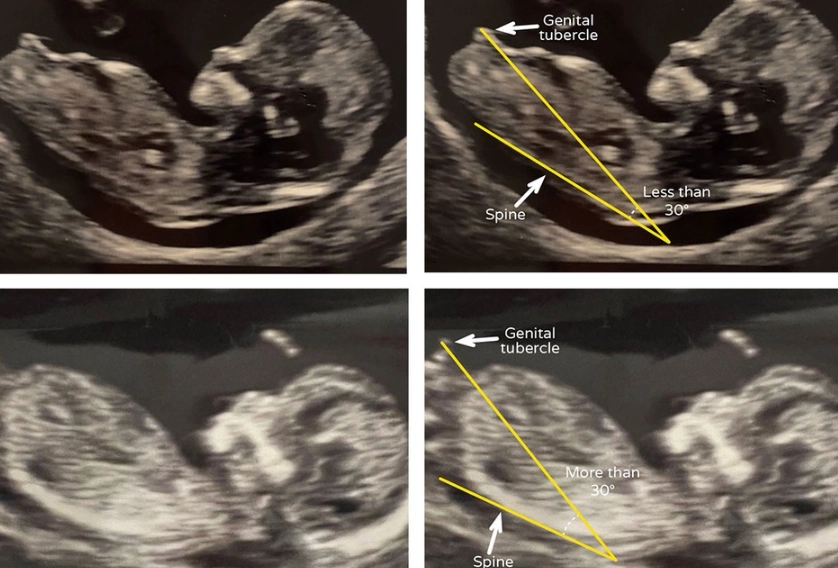
Absolutely, and this is a huge factor many people don't know about. If your placenta is located on the front wall of your uterus (an anterior placenta), it acts like a big, cushy pillow between your baby's feet and your abdominal wall. It can mute those early sensations significantly. Women with anterior placentas often report feeling first movements 2-4 weeks later than those with a posterior (back-wall) placenta. So if your friend felt kicks at 17 weeks and you're at 20 weeks feeling nothing, this could be the simple, harmless reason. Your 20-week anatomy scan will tell you where your placenta is.
No. Full stop. This is the most important point in this whole article. The absence of movement in the first half of pregnancy is not a sign of a problem. Babies have sleep cycles. They have quiet days. And most importantly, they are still too small for you to feel every single wiggle. Doctors do not expect you to monitor movement patterns (aka "kick counts") until around 28 weeks. Before that, the pattern is too irregular to be a reliable indicator of well-being. If you have concerns about fetal growth or health, they are based on ultrasound and Doppler heartbeat checks, not on your subjective ability to feel kicks. The National Institute of Child Health and Human Development (NICHD) provides trusted resources on healthy pregnancy monitoring.
If you can't reliably feel the baby from the inside at 12 weeks, there is zero chance your partner can feel it from the outside. That moment is still months away for most, usually around weeks 22-26. It requires the baby's movements to be strong enough to transmit through your abdominal wall. Be patient—their turn will come, and it's an amazing moment to share.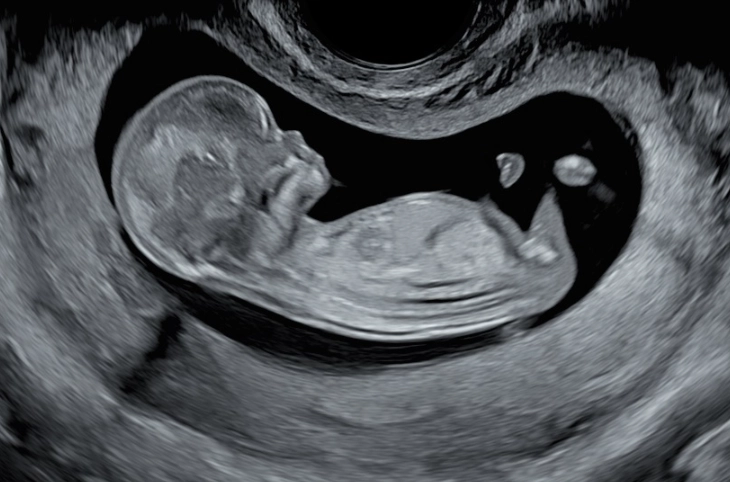
What Should I Do While I'm Waiting to Feel Movement?
The wait can be agonizing, I won't lie. You're between the first-trimester milestone of the dating scan and the second-trimester milestone of feeling movement. It feels like a black box. Here's what helped me and countless other moms:
Focus on the Evidence You Have: You've likely seen your baby on an ultrasound, heard the heartbeat on a Doppler. Cling to those concrete signs. Your baby is in there, growing perfectly on schedule, even if you can't feel their gym session.
Distract Yourself: The more you obsess over every twinge, the slower time will move. Dive into work, start a gentle pregnancy-friendly project, read books (not just pregnancy ones!).
Talk to Your Provider, Not Just Dr. Google: At your next prenatal appointment, voice your anxiety. A good doctor or midwife will reassure you, maybe even let you hear the heartbeat again for peace of mind. This is a core part of EEAT—relying on expert guidance, not just internet anecdotes.
Connect with Your Body Gently: Instead of trying to feel kicks, focus on nurturing the space. Gentle prenatal yoga, talking or singing to your bump (they can hear your voice by the second trimester!), can foster connection without the pressure.
The Bottom Line: Patience is a Pregnancy Superpower
Look, the internet is full of stories that can make you feel like you're behind or that something is wrong if you can't feel the baby at 12 weeks. It's one of the first cruel tricks of pregnancy comparison. But biology doesn't lie.
Can you feel the baby at 12 weeks? The realistic, expert-backed answer is almost certainly no. And that's perfectly, wonderfully normal. Your baby is busy building bones, practicing breathing with amniotic fluid, and yes, dancing a jig you can't feel yet. The sensations will come in their own time, and when they do, they will be unmistakable. That first real kick, the one you have no doubt about, is worth the wait. It starts as a secret conversation between you and your little one, and it blossoms into the most wonderful, reassuring dialogue you'll have until you finally meet face-to-face.
So take a deep breath. Put your hand on your belly not to search for kicks, but to send love. Trust the process. Your time is coming.
Reader Comments