Quick Guide
- What's Actually Happening Inside at One Month?
- Common Symptoms You *Might* Feel (Instead of Seeing a Bump)
- Why Do Some Women *Think* They See a One Month Pregnant Belly?
- What You Should Be Focusing on at One Month (Instead of Your Belly)
- Answers to Your Burning Questions
- The Emotional Rollercoaster of the First Month
Let's be real for a second. If you're searching for "one month pregnant belly," you're probably staring at your stomach in the mirror, wondering why it doesn't look any different. Or maybe you're feeling some weird twinges and bloating, and you're convinced something must be showing. I get it. I've been there myself.
The internet is flooded with pictures that can be super misleading. You'll see some women with these tiny, cute bumps at 4 weeks, and it can make you feel anxious if your own belly looks, well, exactly the same as it did last month. The truth is, for the vast majority of us, a one month pregnant belly from the outside is just your regular belly. The magic—and it is absolute magic—is happening entirely on the inside.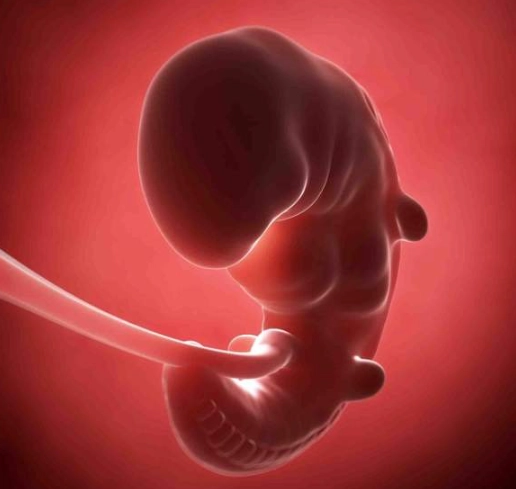
Here's the key thing to remember: Pregnancy is counted from the first day of your last menstrual period (LMP). So at one month pregnant (or around 4 weeks), conception only happened about two weeks ago. That tiny cluster of cells, now called a blastocyst, has just finished its journey down the fallopian tube and is snuggling into the lining of your uterus. It's about the size of a poppy seed. A poppy seed doesn't make a bump.
What's Actually Happening Inside at One Month?
So if you won't see a one month pregnant belly bump, what *is* going on? This is where it gets fascinating. Your body is launching a massive, full-scale construction project without your conscious input.
The blastocyst is busy dividing into different layers that will eventually become every single organ and body part. The placenta—your baby's lifeline for the next several months—is just beginning to form from some of these cells. Meanwhile, your body is getting flooded with hormones, primarily human chorionic gonadotropin (hCG) and progesterone. These hormones are the CEOs of early pregnancy, sending out orders that cause all those early symptoms.
Your uterus is already starting to change. The lining is thickening and becoming richer with blood to support the new resident. But it's still tucked deep inside your pelvis, behind your pubic bone. It hasn't grown nearly enough to rise up and push your abdomen outwards. That comes later.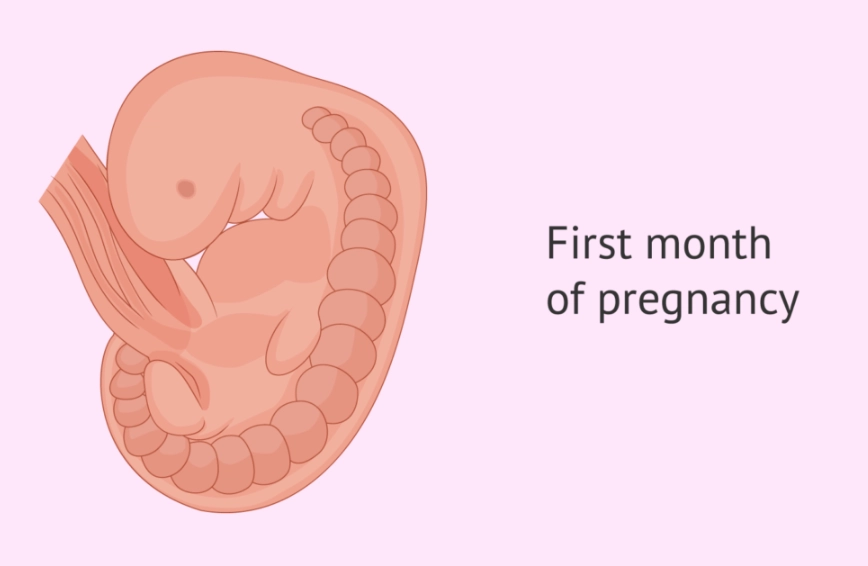
The Hormone Rollercoaster and Your Body
Progesterone, in particular, is a bit of a troublemaker in these early weeks. It's essential for maintaining the pregnancy, but one of its side effects is to relax smooth muscle tissue throughout your body. This includes your digestive tract. When your gut muscles relax, everything slows down. Digestion becomes sluggish, leading to gas, bloating, and constipation.
And here's the kicker: that bloating can absolutely make your pants feel tighter. You might look in the mirror and think, "Is that a pregnant belly at one month?" Nope. It's a progesterone belly. It's frustrating because it mimics the feeling of a growing bump, but it's just intestinal gas and slowed digestion. I remember feeling so bloated by the end of the day that I had to unbutton my jeans, and I hadn't even told anyone I was pregnant yet!
Myth Buster: Any visible rounding or firmness you feel very low in your abdomen at one month is almost certainly not your uterus. It's far more likely to be bloating, normal pre-menstrual fullness, or even just your perception shifting because you *know* you're pregnant. The uterus is still a pelvic organ at this stage.
Common Symptoms You *Might* Feel (Instead of Seeing a Bump)
Since the visual evidence of a one month pregnancy belly is lacking, your clues come from other places. Not everyone gets all—or even any—of these this early, but here's what many women report around the 4-week mark:
- Tender, swollen breasts: This was my first big clue. They felt heavy, sore, and just... different. It's those hormones prepping the milk ducts.
- Fatigue: Not just tired, but bone-deep, can't-keep-my-eyes-open exhaustion. Building a placenta is hard work!
- Light spotting or cramping: When the blastocyst implants into the uterine wall (implantation bleeding), it can cause some light pink or brown spotting and mild cramps. This is often mistaken for a light period.
- Nausea (with or without vomiting): "Morning" sickness can start surprisingly early for some, though it often peaks later. That hCG hormone is usually the culprit.
- Heightened sense of smell: Suddenly, the coffee machine at work smells revolting, or you can smell your neighbor's dinner from three doors down.
- Frequent urination: Increased blood flow to your kidneys and the relaxing effect of hormones start sending you to the bathroom more often.
- Mood swings: One minute you're crying at a commercial, the next you're irrationally angry about a misplaced pen. The hormonal surge is real.
See? The action is everywhere *but* the silhouette of your belly. Your body is shouting at you in a dozen other ways.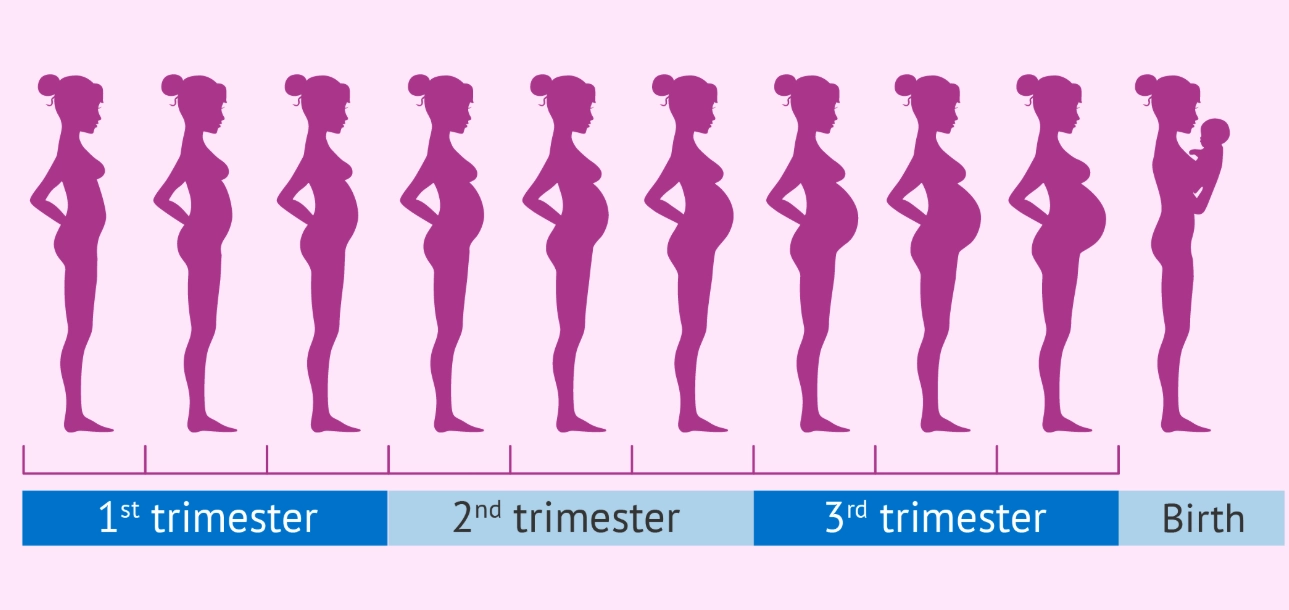
Why Do Some Women *Think* They See a One Month Pregnant Belly?
This is a great question. If you look online, you'll find stories and even pictures. A few things explain this:
- Bloat is a convincing imposter: As we discussed, progesterone-induced bloating can be significant. If someone already has a slender frame, even a small amount of abdominal distension might be noticeable to them.
- Previous pregnancies: In a second or third pregnancy, the abdominal and uterine muscles are more relaxed (thanks again, progesterone from past pregnancies). This can sometimes cause a woman to "show" slightly earlier because her uterus can pop forward a bit more easily. But at one month? Still very unlikely to be the actual uterus.
- Body awareness and perception: When you know you're pregnant, you scrutinize your body like never before. A normal, everyday fluctuation in how your stomach looks (based on what you ate, how much water you drank, your posture) can suddenly be interpreted as the first signs of a bump.
- Timing miscalculation: Sometimes, if ovulation happened earlier in the cycle than standard calculations assume, a woman might be a week or two further along than she thinks. What she believes is a one month pregnant belly might actually be a 6-week pregnant belly, where a tiny change *might* start to be palpable for some.
A Realistic Look: What's Normal vs. What's Not
Let's break this down clearly. The table below compares common sensations with their most likely causes at one month pregnant. It helps separate the exciting internal changes from the unrelated (or worrisome) ones.
| What You Feel or See | Most Likely Cause at 1 Month | Is This the Baby/Uterus? |
|---|---|---|
| Lower abdomen feels full or firm | Bloating, gas, constipation, normal pre-menstrual fullness. | Almost certainly not. |
| Very low, mild cramping | Implantation cramps, uterine stretching (ligaments), gas pains. | Possibly the uterus beginning its journey, but it's not size-related yet. |
| Pants feel tighter around the waist | Digestive slowdown and bloating (progesterone effect). | No. |
| Visible rounding when lying down | Normal abdominal fat/tissue distribution, bloating. | Extremely unlikely. |
| Sharp, stabbing pain on one side | Gas, corpus luteum cyst on ovary (normal), ligament pain. (If severe, seek medical advice). | No. |
Looking at this, it's clear that almost everything you experience externally at this point is about hormones affecting your digestive system, not your uterus expanding.
What You Should Be Focusing on at One Month (Instead of Your Belly)
Okay, so we've established that hunting for a one month pregnant belly is mostly a futile exercise. It's like looking for a sunrise at midnight. Instead, your energy is much better spent on these crucial early steps. This is the real work of the first month.
Actionable Priority List for Month 1:
- Confirm the Pregnancy: Take a home pregnancy test. If it's positive, call your doctor or a midwife to schedule your first prenatal appointment. They often won't see you until you're 8-10 weeks along, but getting on the schedule is key.
- Start (or Keep Taking) Prenatal Vitamins: The neural tube (which becomes the brain and spinal cord) is forming right now, around weeks 4-6. Folic acid is critical to prevent defects. Don't wait. The Centers for Disease Control and Prevention (CDC) recommends 400 mcg of folic acid daily for all women of childbearing age.
- Evaluate Your Lifestyle: Look honestly at habits. It's time to stop smoking, drinking alcohol, and using recreational drugs. Cut back on caffeine (most experts say under 200mg per day is okay). Review any medications you're on with your doctor.
- Listen to Your Body: If you're exhausted, rest. If certain smells make you nauseous, avoid them. Eat small, frequent meals if you can to manage nausea and keep blood sugar stable.
- Find a Support Person: Who will you tell first? Having one trusted person (partner, best friend, sister) in the loop can be a huge emotional relief during these early, secretive weeks.
These steps are infinitely more impactful for your baby's health than any amount of belly gazing. I know the urge to have physical proof is strong, but the proof is in the positive test and your symptoms.
Answers to Your Burning Questions
Is it normal to have no symptoms at all at one month?
Absolutely, and it's more common than you think. Consider yourself lucky! The absence of symptoms does not mean the pregnancy isn't progressing. Hormone levels vary widely between women. Some bodies just handle the surge more smoothly. Try not to compare your experience to others'; it's a surefire path to anxiety.
My lower belly feels hard. Is that the baby?
Probably not. When you're bloated with gas (a super common one month pregnant belly culprit), your intestines can feel firm and distended. Also, if you're feeling for it, you might be engaging your abdominal muscles without realizing it, making your whole core feel hard. The uterus itself is still soft, small, and deep within your pelvis.
When WILL I start to show?
This is the big one. For first-time moms, a small bump often becomes noticeable to others between 12 and 16 weeks. You might start to notice a subtle change yourself—a rounding just above your pubic bone—between 8 and 12 weeks as your uterus grows up and out of the pelvis. For women with subsequent pregnancies, it can be a few weeks earlier due to those pre-stretched muscles. The American College of Obstetricians and Gynecologists (ACOG) provides great overviews of these developmental stages.
Is bloating and gas this early a sign of twins?
Not necessarily. While it's true that hormone levels are higher in twin pregnancies (which *can* mean more severe symptoms), bloating in a singleton pregnancy is also extremely common. A one month pregnant belly with twins looks identical to a one month pregnant belly with one baby—that is, unchanged from the outside. An ultrasound is the only way to confirm twins, and that usually happens around 8 weeks.
What if I have severe cramping or bleeding?
This is important. Mild cramping and light spotting can be normal. However, you should contact your healthcare provider immediately if you experience:
- Bleeding that is as heavy as a menstrual period.
- Severe abdominal pain or cramping that doesn't subside.
- Pain concentrated on one side (which could indicate an ectopic pregnancy).
- Dizziness, shoulder pain, or fainting along with abdominal pain.
It's always better to call and get reassurance than to worry alone.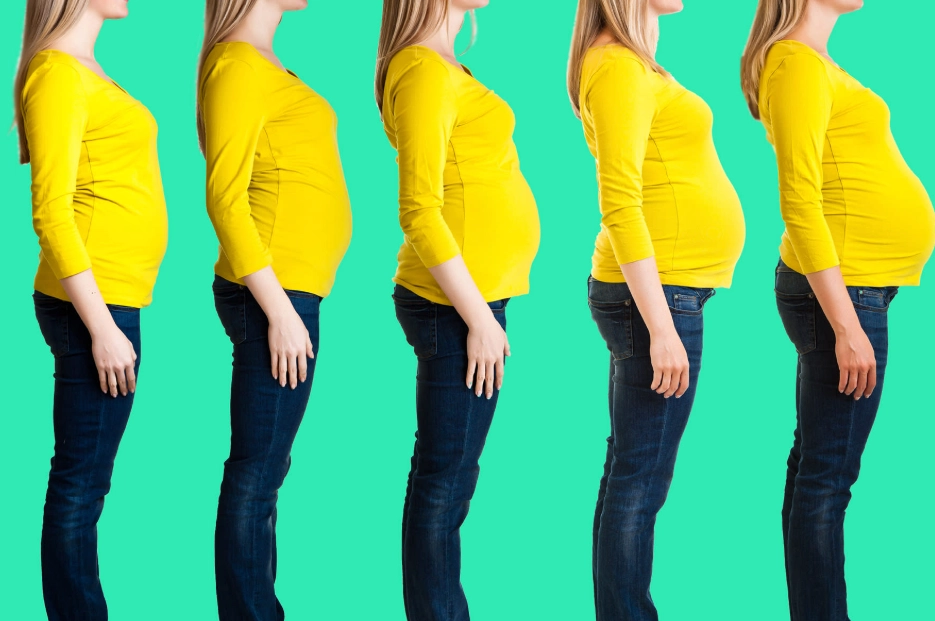
The Emotional Rollercoaster of the First Month
Nobody talks enough about this part. You have this monumental, life-changing secret, but no visible evidence. You might feel excited, terrified, isolated, and impatient all at once. Wanting to see a one month pregnant belly is often just a desire for tangible proof that this is real.
I remember feeling completely disconnected. I had a positive test, but I didn't "feel" pregnant in any meaningful way except being tired. I worried constantly that something was wrong because I didn't have a bump or constant nausea. That anxiety is normal, but it's also exhausting.
My advice? Find a small, private way to mark the moment. Write a note to your future baby in a journal. Buy a single, symbolic baby item and hide it in a drawer. These acts can make the pregnancy feel more real when your body hasn't caught up visually.
And be kind to yourself. You are growing a human being from scratch. That's incredible, bump or no bump. The lack of an obvious one month pregnant belly doesn't diminish the profound work happening inside you. Your body knows what it's doing, even if it's keeping the early stages a secret from the outside world. Trust the process, focus on your health, and know that the bump will come in its own sweet time.
Reader Comments