That question pops into your head at 3 a.m., doesn't it? Between the excitement and the nerves, you're looking for a solid answer. Is this nausea too much? Is the baby moving enough? The internet is full of scary stories, but let's talk about the actual, tangible signs that things are on track.
Knowing your pregnancy is healthy isn't about one magic symptom. It's about connecting the dots between how you feel, what your doctor sees, and your baby's activity. Think of it as a puzzle where you, your care provider, and your little one each hold a piece.
What to Expect in This Guide
Signs You Can Feel Yourself
Your body gives you daily feedback. The trick is knowing what to listen for.
Steady Weight Gain (Not a Straight Line Up)
Everyone focuses on the number, but the pattern matters more. In the first trimester, gaining 1-5 pounds total—or even losing a bit due to nausea—is common. The real climb starts in the second and third trimesters.
Here's a rough guide based on pre-pregnancy BMI, according to the American College of Obstetricians and Gynecologists (ACOG):
| Pre-pregnancy BMI | Recommended Total Gain | Rate in 2nd/3rd Tri |
|---|---|---|
| Underweight ( | 28-40 lbs | About 1 lb/week |
| Normal (18.5-24.9) | 25-35 lbs | About 1 lb/week |
| Overweight (25-29.9) | 15-25 lbs | About 0.6 lb/week |
| Obese (>=30) | 11-20 lbs | About 0.5 lb/week |
The mistake? Weighing yourself daily and panicking over a 2-pound fluctuation. Hydration, digestion, time of day—it all affects the scale. Look at the trend over weeks. Steady, gradual increase is the goal.
Fetal Movement Patterns (The "Kick Count" Myth)
After about 28 weeks, fetal movement becomes a critical sign. But forget the rigid "10 kicks in 2 hours" rule. It's outdated and can cause unnecessary stress for mothers of quieter babies.
What you want is consistency in your baby's pattern. Some babies are night owls, some are morning people. Learn your baby's rhythm. Does she usually wiggle after you eat breakfast? Does he have a dance party when you lie down at night? That pattern is your baseline.
A subtle change I see people miss: they only count hard kicks. Flutters, rolls, swishes, and even hiccups all count as movement. If the quality or strength of movement changes alongside frequency, that's also worth noting.
Pro Tip: Don't just count. Get to know your baby's personality through movement. Set aside a relaxed time each day—maybe after dinner—to tune in. Note what's normal for your baby, not a textbook.
Progression of Pregnancy Symptoms
This sounds counterintuitive, but some symptoms easing up is a good sign. First-trimester nausea and fatigue often lessen around weeks 12-14 as the placenta takes over hormone production. That doesn't mean your pregnancy is less healthy; it means it's progressing.
New symptoms appearing on schedule are also indicators. Heartburn in the second trimester as your uterus rises? Backaches in the third as your belly grows? Annoying, but they signal your body and baby are following the script.
Signs From Your Prenatal Checkups
This is where objective data meets your subjective experience.
The Anatomy Scan (The Big Look)
Around 18-22 weeks, you'll have a detailed ultrasound. The sonographer measures everything: head circumference, femur length, abdominal circumference, checks organs, counts fingers and toes, and examines the placenta and amniotic fluid.
A "normal" scan doesn't guarantee perfection, but it rules out many major structural concerns. Hearing "everything looks textbook" is a massive reassurance point.
Fundal Height Measurement
At each visit from about 20 weeks on, your provider will measure your fundal height—the distance from your pubic bone to the top of your uterus. In centimeters, it should roughly equal the number of weeks you are pregnant (e.g., 24 cm at 24 weeks).
Being a couple of centimeters off isn't an emergency—baby's position matters—but consistent, appropriate growth is a strong sign baby is getting what they need.
Fetal Heart Rate
Hearing that quick *whoosh-whoosh* is emotional. A normal fetal heart rate is between 110 and 160 beats per minute. It varies, just like yours does. Sometimes it's faster when baby is active, slower when resting. The provider is listening for it being within a normal range and having variability, which is a sign of a healthy nervous system.
Red Flags: When to Call Your Doctor
Knowing what's normal helps you spot what's not. Don't hesitate to call for these. It's never a bother.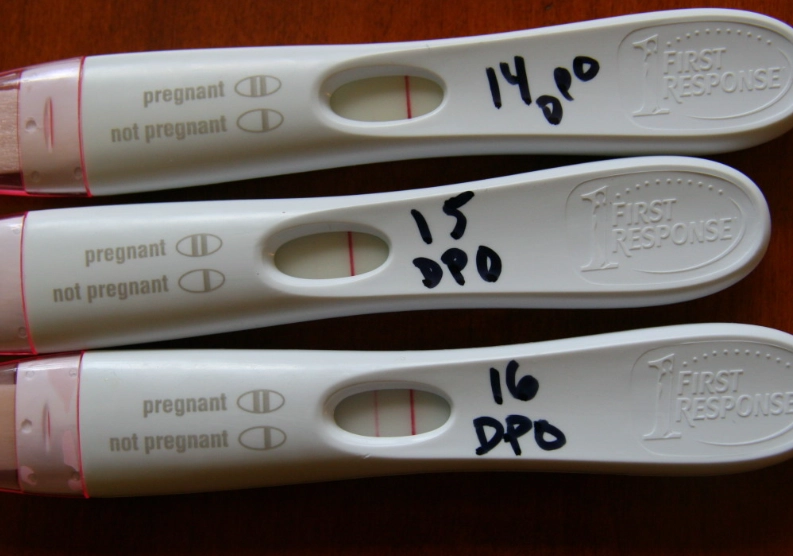
- Severe Abdominal Pain: Cramping happens, but sharp, persistent, one-sided, or cramping with bleeding is different.
- Vaginal Bleeding: Light spotting can be normal, especially after sex or an exam. Heavy bleeding, like a period, or bleeding with pain is not.
- Sudden, Severe Headache: Especially if it doesn't go away with rest/water/acetaminophen, or is accompanied by vision changes (seeing spots).
- Significant Change in Fetal Movement: This is the big one. If your baby's established pattern of activity markedly decreases or stops for more than 24 hours, don't wait. Call. A common error is waiting for movement to stop completely. A drastic slowdown is the warning.
- Fluid Leaking: A sudden gush or a constant trickle of fluid could mean your water broke.
- Persistent Vomiting: Can't keep any food or liquids down for 24 hours.
Trust Your Gut: You know your body better than any article. If something feels "off" or "wrong," even if it's not on this list, call your provider. I've had patients catch issues early because they listened to that nagging feeling. It's your superpower.
Managing the Worry (It's Normal)
Anxiety doesn't mean your pregnancy is unhealthy. It means you're a caring parent. But constant stress isn't good for you either.
Compartmentalize information. After a good checkup, give yourself permission to feel reassured for a few weeks. Write down your questions between appointments so you don't ruminate. And limit Googling symptoms after 9 p.m.—nothing good comes from that.
Connect with other expectant parents, but curate your circle. Some groups are supportive, others are fear-mongering. Find your people.
Questions You're Probably Asking
What are the most reliable signs of a healthy pregnancy?
When should I be concerned about pregnancy symptoms?
How often should I feel my baby move?
What does a 'normal' prenatal checkup involve?
So, how do you know? You piece it together. You celebrate the steady growth, you learn the rhythm of the kicks, you take reassurance from the checkup numbers, and you build a trusting line of communication with your care team. It's a mix of science and intuition. And for the most part, if you're asking this question and paying this much attention, you're already doing a great job.
Reader Comments