That positive test result sends a jolt of excitement—and then, often, a wave of anxiety. The first trimester, weeks 1 through 13, is a period of massive, invisible change. You can't feel kicks yet, you might not even look pregnant, and it's easy to spiral into worry. Is this cramping normal? Why am I so tired? Is the baby okay? I remember that feeling all too well from my own pregnancies. Let's cut through the noise. Knowing your pregnancy is healthy in the first trimester isn't about having a perfect set of symptoms; it's about understanding the vital signs your body and your doctor are tracking.
Your First Trimester Health Quick Guide
The Positive Signs: What "Normal" Really Looks Like
Forget the textbook perfect pregnancy. Normal has a wide range. These common experiences, while sometimes uncomfortable, are often signals your body is responding to rising pregnancy hormones like hCG and progesterone.
Common Reassuring Symptoms
Breast tenderness: This is often one of the first clues, starting around weeks 4-6. It's more than just sensitivity; it can feel like a deep, persistent ache.
Fatigue: Not just feeling tired. We're talking about a bone-deep exhaustion that makes a 2 PM nap feel non-negotiable. Your body is building a placenta—it's hard work.
Nausea with or without vomiting: So-called "morning" sickness can strike any time. A subtle point many miss: mild to moderate nausea is statistically linked to a lower risk of miscarriage. It's a sign those hormones are surging.
Food aversions and cravings: Suddenly hating the smell of coffee or needing pickles at midnight? Classic. It's your body's primitive way of steering you (sometimes oddly) towards what it needs.
Increased urination: Thanks to increased blood flow and later, pressure from your growing uterus.
Light spotting: This one scares everyone, but it's common. Around 20% of women have some spotting in the first trimester, often around the time of their missed period (implantation bleeding) or after sex or a pelvic exam due to a sensitive cervix.
The key isn't the presence of every symptom. It's the pattern. Symptoms often wax and wane. You might have a terrible week of nausea, then a day where you feel almost normal. That's okay. The absence of symptoms doesn't mean failure. Up to 30% of women have minimal nausea and go on to have perfectly healthy pregnancies.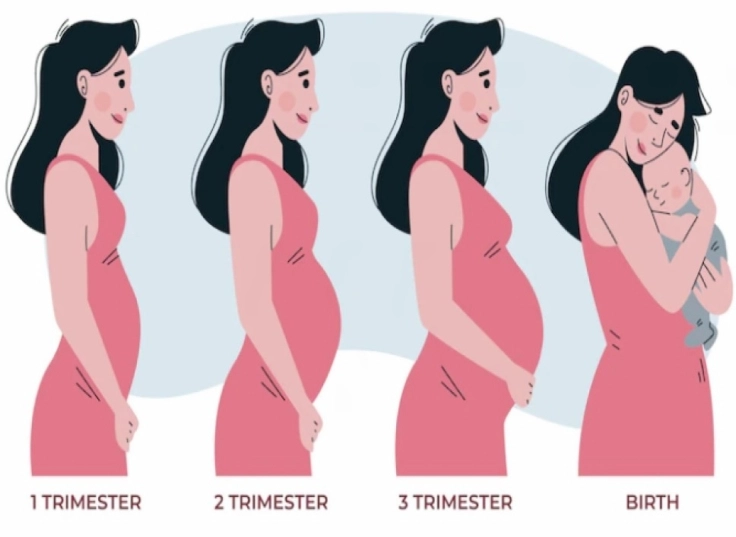
Red Flags: When to Call Your Doctor Immediately
This is the part you need to bookmark. Knowing when to worry is just as important as knowing when not to. Trust your gut—if something feels sharply wrong, it's worth a call.
Call Your Provider or Go to the ER For:
- Heavy Vaginal Bleeding: Soaking through a pad in an hour. Passing clots the size of a golf ball or larger. This is different from light spotting.
- Severe Abdominal Pain: Constant, sharp, one-sided pain, especially if accompanied by shoulder pain or dizziness. This is the primary sign of an ectopic pregnancy, a medical emergency.
- Severe Nausea and Vomiting (Hyperemesis Gravidarum): If you cannot keep any food or liquids down for 24 hours, are losing weight, and feel dizzy or dehydrated.
- High Fever: A temperature over 101°F (38.3°C) that isn't relieved by acetaminophen (like Tylenol).
- Severe Headache, Visual Changes, or Swelling: While more common later, these can be early signs of serious conditions like preeclampsia in rare cases.
A common mistake? Waiting. I've heard from many women who were scared of being a "bother." You are not a bother. Early intervention is everything.
Medical Confirmation: The Tests That Actually Tell the Story
Your feelings and symptoms are data points, but medical tests provide the objective proof. Here’s what your healthcare team is looking at.
The Initial Blood Work
Your first prenatal appointment usually involves a panel of blood tests. Two are critical for first-trimester health:
- hCG Quantification: Human Chorionic Gonadotropin is the pregnancy hormone. In a healthy pregnancy, hCG levels roughly double every 48-72 hours in early weeks. A single number means little; it's the doubling trend that matters. Slow-rising levels can indicate a problem.
- Progesterone Levels: This hormone sustains the uterine lining. Low progesterone in early pregnancy is sometimes linked to miscarriage, and supplementation might be discussed.

The Ultrasound: Seeing is Believing
This is the gold standard for first-trimester reassurance. There are typically two key scans:
| Scan Timing | What They're Looking For | Why It's Reassuring |
|---|---|---|
| 6-8 Weeks (Dating Scan) | Gestational sac, yolk sac, fetal pole, and most importantly—a fetal heartbeat. | Confirms the pregnancy is in the uterus (rules out ectopic). A detectable heartbeat after 7 weeks drastically reduces miscarriage risk. |
| 11-13 Weeks (NT Scan) | Nuchal translucency measurement (fluid at back of baby's neck), nasal bone, basic anatomy. | Combined with blood work, this screens for chromosomal abnormalities like Down syndrome. It also provides a detailed check on early development. |
One insider tip: before 7 weeks, it's common not to see a heartbeat yet. Going in too early can cause unnecessary anxiety. Waiting for that 7-8 week window often provides clearer, more reassuring results.
The Mindset Shift: Managing Anxiety and Taking Action
You can't control everything, but you can control your environment and habits. This is your active role in supporting a healthy first trimester.
Start Prenatal Vitamins Now: The neural tube (which becomes the brain and spine) closes by week 6. Folic acid is critical before you even know you're pregnant. If you haven't started, start today.
Make That First Appointment: Don't put it off. Establishing care means getting those baseline tests and having a professional in your corner.
Audit Your Diet & Lifestyle: You know the basics: avoid alcohol, raw fish, high-mercury fish, deli meats unless heated, and unpasteurized cheese. Limit caffeine to under 200mg daily. But also, add: plenty of water, protein, and fiber to combat fatigue and constipation.
Rest, Seriously: Your body is working overtime. Listen to it. A 20-minute nap is not lazy; it's productive pregnancy work.
The anxiety doesn't magically disappear, but you can compartmentalize it. After each positive check-up, give yourself permission to feel secure until the next milestone. You're collecting evidence of a healthy pregnancy, one appointment at a time.
Reader Comments