Quick Overview
- The "Feeling Pregnant" Timeline: From Conception to the First Trimester
- Decoding the Early Signs: What Does "Feeling Pregnant" Actually Feel Like?
- The Big Question: Can You Feel Pregnant Before a Missed Period?
- When to Take a Pregnancy Test and See a Doctor
- What If You Don't Feel Anything? Is That Normal?
- Wrapping It Up: Listening to Your Body Without Driving Yourself Crazy
Let's be honest, that two-week wait after you think you might have conceived is its own special kind of torture. You're hyper-aware of every single twinge, every mood swing, every weird craving. You're constantly asking yourself, "When do you start feeling pregnant?" Is it right away? A week later? Not until you miss your period? The internet is full of conflicting stories, from women who "just knew" immediately to others who had zero clues for weeks. It's enough to drive anyone a little nuts.
I remember talking to a friend who was convinced she was pregnant because she felt nauseous three days after... well, you know. Turns out it was just bad sushi. On the flip side, another friend had no typical symptoms at all, not even a missed period (she had irregular cycles), and was shocked by a positive test at 8 weeks. So what gives? Why is there so much variation?
The truth is, there's no single magic hour when pregnancy feelings kick in for everyone. It's a deeply personal and biological process that unfolds on its own schedule. But there is a general timeline, a map of when certain symptoms typically begin for most people. Knowing this map won't stop you from overanalyzing every little thing (let's be real, you probably will), but it can help you understand what's happening in your body and, maybe, bring a little peace of mind.
Key Takeaway Right Off the Bat: For most people, the earliest physical signs of pregnancy appear around 4 to 6 weeks after your last menstrual period (LMP). That's roughly 2 to 4 weeks after conception. Before a missed period, symptoms are possible but often subtle and easily confused with premenstrual syndrome (PMS).
The "Feeling Pregnant" Timeline: From Conception to the First Trimester
To make sense of it all, let's break it down week by week, starting from conception. I find a table helps visualize this rollercoaster.
| Week (From Last Period) | What's Happening Biologically | What You Might Feel (The "Pregnant" Feelings) |
|---|---|---|
| Week 1 & 2 | Technically not pregnant yet. Your body is prepping for ovulation. | Nothing related to pregnancy. You're in your regular cycle. |
| Week 3 (Conception Week) | Fertilization happens! The fertilized egg (zygote) travels to the uterus. | Usually nothing. A tiny percentage might feel light implantation cramping/bloating much later in this week, but it's rare and subtle. |
| Week 4 | Implantation occurs. The hormone hCG starts being produced. | This is when some women start noticing the very first hints. You might have light spotting (implantation bleeding), mild cramping, or bloating. Fatigue can start creeping in. Your period is due at the end of this week. |
| Week 5 | hCG levels are rising. The missed period is a clear sign. | Now we're in more familiar territory. Fatigue becomes more pronounced. Nausea might begin (hello, morning sickness). Tender, swollen breasts are common. Frequent urination starts for some. This is a very common time to start feeling pregnant for real. |
| Week 6-8 | Hormone production is in full swing. | Symptoms often peak. Nausea and vomiting can be strong. Extreme fatigue, food aversions, mood swings, and heightened sense of smell are hallmarks. This is often the most intense period for early symptoms. |
| Week 9-12 | The placenta takes over more hormone production. | For many, the worst of the nausea begins to ease up towards the end of this period. Fatigue may persist, but other symptoms can start to level off as you near the second trimester. |
See how it builds? It's not an on/off switch. It's more like a dimmer switch that gets turned up slowly, and sometimes way too brightly around weeks 7 and 8.
A reader once told me she felt "perfectly normal" until week 7, then was hit with nausea so severe she could only eat plain crackers for a week. She kept thinking, "When will I start feeling pregnant?" and then suddenly she really felt it. Her experience is a perfect example of the delayed but intense onset some women face.
Decoding the Early Signs: What Does "Feeling Pregnant" Actually Feel Like?
We throw the phrase around, but what does "feeling pregnant" actually mean? It's not one thing. It's a collection of sensations, some annoying, some just strange. Let's look at the usual suspects, because knowing the details can help you distinguish between early pregnancy and a nasty case of PMS or the flu.
Fatigue That Knocks You Out
This isn't your regular "I need a coffee" tiredness. This is profound, bone-deep exhaustion. You might find yourself needing a nap after simple tasks, or falling asleep on the couch at 8 PM. I'm talking about fatigue that makes you feel like you've run a marathon when all you did was get groceries. It's caused by skyrocketing levels of progesterone and your body's huge effort in building the placenta. It's often one of the very first clues.
Breast Changes: More Than Just Tenderness
Sure, they can be tender and sore, similar to PMS. But pregnancy breast changes often go further. They might feel heavy, full, or tingly. The area around your nipples (the areola) can darken and get little bumps (Montgomery's tubercles). The veins on your breasts might become more visible. It's a more pronounced change than many experience pre-period.
The Dreaded Nausea (With or Without Vomiting)
"Morning sickness" is a cruel misnomer. It can strike morning, noon, or night. For some, it's a constant low-grade queasiness. For others, it's intense waves that lead to vomiting. Food aversions often accompany it—the smell of coffee, meat, or something you usually love can suddenly make you gag. The exact cause isn't fully known but is strongly linked to hCG and estrogen. Not everyone gets it, but it's a classic sign that makes you wonder, "Is this when I start feeling pregnant, or do I have a stomach bug?"
The Emotional Rollercoaster
One minute you're crying at a cute dog video, the next you're irrationally angry because someone ate the last yogurt. The hormone surge can send your emotions into overdrive, making you feel like you're not in control of your own reactions. It's confusing and can be one of the earliest subjective signs.
Like metallic taste in your mouth (dysgeusia). It's weird and constant for some. Or increased saliva. Constipation and bloating thanks to progesterone slowing down your digestive tract. Dizziness or lightheadedness from blood pressure changes. Headaches. A heightened sense of smell that turns you into a bloodhound—you can smell your neighbor's dinner cooking three houses down.
The combination of these things, especially if they're more intense or different from your usual pre-period routine, is often what makes someone finally think, "Huh, maybe I should take a test."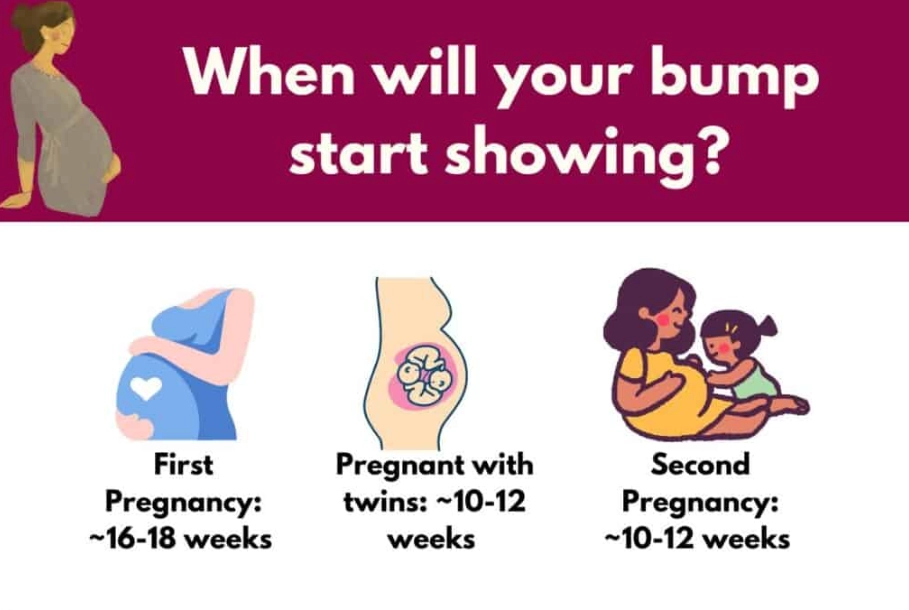
The Big Question: Can You Feel Pregnant Before a Missed Period?
This is the million-dollar question, isn't it? The short answer is yes, it's possible, but it's less common and the symptoms are usually very mild and nonspecific.
In the days just after implantation (around week 4), the hormone hCG is just starting its journey. It takes time to build up to levels high enough to trigger noticeable symptoms in most people. Some women with a keen awareness of their bodies might notice:
- Very light spotting (implantation bleeding) that's pink or brown, not red like a period.
- Mild cramping that feels different from period cramps—often more like a twinge or pulling sensation.
- A sudden, unexplained wave of fatigue in the afternoon.
- Subtle breast tenderness that seems to come on early in their cycle.
The problem is that all of these can also be signs of an impending period. It's a maddening overlap. Relying on symptoms alone before a missed period is notoriously unreliable. The most definitive early sign is, unfortunately, that missed period followed by a positive pregnancy test.
When to Take a Pregnancy Test and See a Doctor
Okay, you're analyzing every twinge. When should you actually test?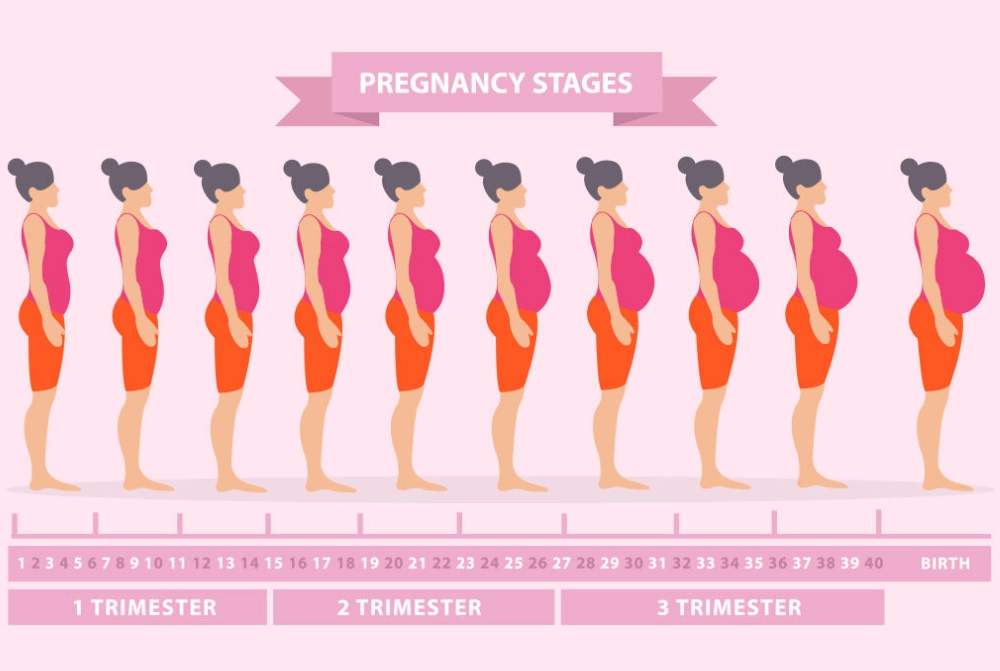
Best Practice: Wait until the first day of your missed period. Most home pregnancy tests are accurate by then. Testing too early can lead to a false negative because hCG levels aren't high enough to detect, which is just heartbreaking and anxiety-inducing.
If you have irregular cycles, wait at least 2-3 weeks after you think you conceived. Use your first morning urine, as it's most concentrated.
As soon as you get a positive home test, it's a good idea to schedule an appointment with your OB-GYN or midwife. They'll confirm the pregnancy and start prenatal care. However, seek medical attention immediately if you experience severe symptoms like:
- Heavy bleeding (soaking a pad an hour) with severe cramping.
- Sharp, persistent abdominal pain on one side.
- Severe dizziness or fainting.
- Severe, unrelenting nausea and vomiting where you can't keep any fluids down (this could be hyperemesis gravidarum).
For reliable, official information on prenatal care and warning signs, always refer to authoritative sources like the American College of Obstetricians and Gynecologists (ACOG) or the Centers for Disease Control and Prevention (CDC).
What If You Don't Feel Anything? Is That Normal?
Absolutely. This is a huge source of anxiety, but it is completely normal. The absence of symptoms does not mean something is wrong.
Every woman and every pregnancy is different. Some bodies just handle the hormone surge with more grace. Some women have symptoms that come and go—you might feel terrible one day and fine the next. This fluctuation is also normal and doesn't indicate a problem with the pregnancy. I think the internet does a disservice by making severe symptoms seem like the only "real" experience. It's simply not true. If you're worried about a lack of symptoms, your best course of action is to talk to your healthcare provider for reassurance. They might even offer an early ultrasound to check on things.
Wrapping It Up: Listening to Your Body Without Driving Yourself Crazy
So, when do you start feeling pregnant? The honest answer is: it depends. For many, noticeable signs cluster around weeks 5 to 8, after the missed period. For a lucky few, it's later or much milder. For some, it hits like a truck at week 4. There's a huge range of normal.
The journey to figure out when you start feeling pregnant is as much about patience as it is about biology. Try to observe your body without jumping to conclusions with every new sensation. Use the timeline as a guide, not a rulebook. And remember, the only way to know for sure is with a pregnancy test after a missed period and confirmation from a healthcare professional.
Your experience is your own. Whether you're symptom-free or grappling with all-day nausea, it's valid. Trust your body, lean on reputable sources for information, and don't hesitate to seek support from your medical team. They've heard it all before and are there to help you through this wild, wonderful, and sometimes uncomfortable ride from the very first moment you start feeling pregnant.
Reader Comments