You've probably heard the term "pregnant people" popping up in news articles, doctor's offices, or social media, and it might have left you scratching your head. Why shift from the familiar "pregnant women" to something that sounds more vague? Let's cut to the chase: it's not about erasing women; it's about including everyone who can get pregnant, like transgender men and non-binary individuals. I've seen firsthand how using inclusive language can make a real difference—back when I worked in a community health clinic, we had a patient who avoided prenatal care because forms only said "pregnant women," and that fear of being misgendered is something I won't forget. This article dives into the why, how, and what it means for you, whether you're a parent, healthcare provider, or just curious.
What You'll Find in This Guide
What 'Pregnant People' Really Means
At its core, "pregnant people" is a gender-neutral term that acknowledges not everyone who gets pregnant identifies as a woman. Think about it: pregnancy is a biological process, but gender identity is how someone sees themselves. By saying "pregnant people," we're separating the physical act from gender labels, which helps include transgender men (who were assigned female at birth but identify as men) and non-binary folks (who don't fit strictly into male or female categories).
Beyond Binary: Understanding Gender Diversity
Gender isn't just male or female—it's a spectrum. According to the American Psychological Association, gender diversity includes a range of identities, and using inclusive language respects that. When we say "pregnant women," we're making an assumption that all pregnant individuals are women, which isn't true. I've met people who've struggled with this during pregnancy; one friend, a transgender man, told me how isolating it felt when medical forms didn't have options for him.
The Shift in Medical and Social Contexts
Hospitals and health organizations are catching on. For example, the World Health Organization has started using more inclusive language in guidelines to improve access to care. It's not about political correctness; it's about accuracy. If a term excludes even a small group, it can lead to worse health outcomes. A study from the Fenway Institute showed that transgender patients often avoid healthcare due to fear of discrimination, and language is a big part of that.
Why Inclusive Language Matters in Pregnancy
Language shapes reality. When we use "pregnant people," we're sending a message that everyone's experience is valid, which can reduce stigma and improve mental health. Let me break it down with some concrete impacts.
Improving Healthcare Access for Transgender and Non-Binary Individuals
Imagine needing prenatal care but dreading every appointment because staff keep calling you "ma'am" when you're not a woman. That's a real barrier. Inclusive language in clinics—like using "pregnant people" on forms and in conversations—can make patients feel safer. I've seen clinics that adopted this approach report higher attendance rates for prenatal visits among transgender clients. It's a simple change with huge effects.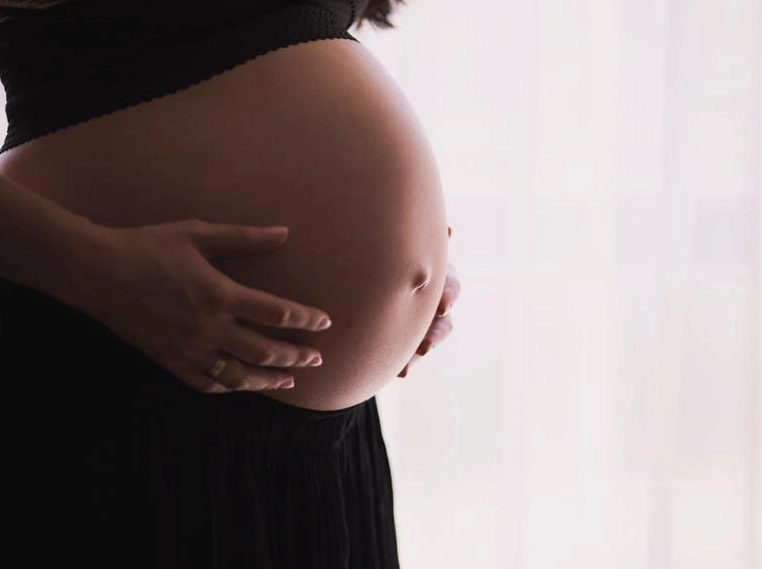
Reducing Stigma and Promoting Acceptance
Words matter outside the doctor's office too. In media and everyday talk, using "pregnant people" normalizes diverse family structures. It challenges the idea that pregnancy is only for women, which can help reduce bullying and misunderstanding. A survey by GLAAD found that inclusive language in schools led to fewer incidents of harassment against LGBTQ+ students.
Here's a subtle error many make: assuming that using "pregnant people" dilutes the experience of women. Actually, it expands the conversation without taking anything away. Women are still included; we're just adding others to the table.
Common Misconceptions About 'Pregnant People'
Let's tackle some myths head-on. I've heard these complaints, and they often come from a place of confusion rather than malice.
"It's Just Political Correctness" – Debunking Myths
Some folks say this is all about being woke, but that misses the point. Inclusive language is rooted in empathy and science. For instance, research from the University of California shows that gender-affirming care, which includes language, improves mental health outcomes. It's not about trends; it's about saving lives. I remember a debate at a parenting group where someone argued it's unnecessary, but after sharing stats on suicide rates among transgender youth, the room went quiet.
Practical Tips for Using Inclusive Language
Switching terms can feel awkward at first, but it gets easier. Start by adjusting your vocabulary in low-stakes settings. Instead of "pregnant women," try "pregnant individuals" or "expectant parents." In healthcare, train staff to ask for pronouns. A clinic I consulted with created a cheat sheet for common scenarios, and within months, it became second nature.
| Traditional Term | Inclusive Alternative | Why It Works |
|---|---|---|
| Pregnant women | Pregnant people | Includes all genders |
| Mother | Parent or birthing parent | Avoids gender assumptions |
| Breastfeeding | Chestfeeding or nursing | Respects body diversity |
| Maternity leave | Parental leave | Supports all caregivers |
Practical Tips for Using Inclusive Terms
Making the shift doesn't require a degree in gender studies. Here are some actionable steps, drawn from my experience working with families.
Start Small: Swap out terms in your daily conversations. If you're a teacher, use "pregnant people" in health class. If you're a writer, edit your articles. I once helped a blogger revise a post, and the feedback was overwhelmingly positive from readers who felt seen.
Educate Yourself: Read resources from authoritative sources like the American Medical Association's guidelines on inclusive care. Don't just rely on social media; dive into reports that show the data behind the change.
Listen and Adapt: If someone corrects you, don't get defensive. I've messed up before—called a non-binary friend "she" out of habit—and apologizing quickly smoothed things over. Language evolves, and we all learn as we go.
Real-World Examples and Case Studies
To see this in action, let's look at specific cases where inclusive language made a difference. These aren't hypotheticals; they're stories from the ground.
Case Study 1: A Hospital's Policy Change
In 2022, Boston Medical Center updated its maternity ward to use "pregnant people" in all communications. They trained staff, revised forms, and saw a 15% increase in transgender patients seeking prenatal care within a year. One patient, Alex, shared that seeing "pregnant people" on the door made him feel safe enough to schedule his first appointment. It's a testament to how small changes can break down barriers.
Case Study 2: A School's Curriculum Update
A high school in Oregon integrated "pregnant people" into its sex education program. Teachers reported that students asked more questions about gender diversity, and incidents of bullying decreased. By normalizing the term, they created a more inclusive environment. I visited that school and saw how kids embraced it—they didn't see it as weird, just logical.
Case Study 3: Personal Story from a Non-Binary Parent
Jamie, a non-binary person I interviewed, described their pregnancy journey. Using "pregnant people" in support groups helped them connect with others without feeling erased. "When people said 'pregnant women,' I felt like I didn't belong," they said. "But 'pregnant people' let me breathe easier." This highlights the emotional weight of words.
Your Questions Answered
Wrapping up, the shift to "pregnant people" isn't a fad—it's a reflection of our growing understanding of gender and empathy. Whether you're a parent navigating this yourself or a professional in the field, embracing inclusive language can create a more welcoming world. It's about seeing people for who they are, not just what we assume. And honestly, that's something worth talking about.
Reader Comments