Those first few weeks after a positive test are a whirlwind. Excitement, anxiety, and a million questions. You're Googling everything, and the advice out there is overwhelming, often contradictory. Let's cut through the noise. A healthy first trimester isn't about perfection; it's about laying a solid foundation with smart, evidence-based choices. Think of it as building the strongest, safest house for your baby's incredible 9-month construction project. The blueprint starts now.
Quick Navigation: What's in this guide?
Prioritizing Prenatal Care and Doctor Visits
Your first call after seeing that positive test should be to schedule a prenatal appointment. Don't wait. I've seen too many women put this off, thinking the first visit is just a confirmation. It's so much more.
That initial visit, usually around 8 weeks, sets the entire tone for your pregnancy care. They'll confirm the pregnancy with an ultrasound (dating the pregnancy accurately is crucial), review your full medical history, and run baseline blood tests. This is your chance to ask every burning question. Write them down in your phone's notes app—you will forget in the moment.
One subtle mistake? Not being upfront about your mental health history or past pregnancy losses. Your care team needs the full picture to support you best. This isn't the time to minimize your experiences.
Key Takeaway: Your first prenatal visit isn't just a formality. It's where critical early screenings happen and a partnership with your healthcare provider begins. Come prepared with questions and a complete health history.
What to Expect in Early Appointments
You'll likely have appointments every 4 weeks during the first trimester. They might seem brief—weight, blood pressure, urine check, listening for the baby's heartbeat with a Doppler (often audible after 10-12 weeks). But these metrics are vital for catching issues like gestational hypertension early. The American College of Obstetricians and Gynecologists (ACOG) provides excellent resources on what standard prenatal care entails, which you can find on their official website.
Building Your First Trimester Nutrition Foundation
Forget "eating for two." In the first trimester, you're eating for the cellular-level construction of a human being. The quality of materials matters infinitely more than the quantity.
The non-negotiable starting point is a prenatal vitamin. Start taking one today if you haven't already. The neural tube, which becomes the brain and spinal cord, closes by week 6—often before you even know you're pregnant. Folic acid (600-800 mcg) is critical to prevent defects. Look for a prenatal that also includes iron, iodine, DHA, and vitamin D. I prefer brands like Nature Made or Thorne that are USP-verified for quality, but discuss options with your doctor.
Now, about food. Nausea can make this a challenge. The goal is to keep something down and make it count.
| Nutrient | Why It's Crucial Now | First-Trimester Friendly Sources |
|---|---|---|
| Folate/Folic Acid | Prevents neural tube defects, supports DNA synthesis. | Fortified cereals, lentils, leafy greens (spinach), oranges, prenatal vitamin. |
| Iron | Supports increased blood volume, prevents anemia and fatigue. | Lean red meat (if you can stomach it), cooked spinach, beans, fortified oatmeal. |
| Calcium | Builds baby's bones and teeth; protects your bone density. | Yogurt, cheese, fortified plant milks, sardines with bones. |
| Protein | Essential for building every cell of the baby and placenta. | Greek yogurt, eggs, nut butter on crackers, chicken, lentils. |
| B6 & Ginger | Not a building block, but a lifesaver for managing nausea. | Ginger tea, crystallized ginger, Vitamin B6 supplements (ask your doc about dosage). |
If all you can manage for a week is crackers and apple sauce, don't panic. Take your prenatal, sip fluids, and add one nutrient-dense food when you have a good hour. A smoothie with spinach, banana, and peanut butter can be a stealthy win.
Managing Common First Trimester Symptoms
Let's be real. The first trimester can feel like a prolonged bout of the flu combined with exhaustion. Understanding why it happens helps you tackle it.
Fatigue is profound because your body is building a placenta—an entirely new organ. It's exhausting work. Listen to it. Sleep when you can. A 20-minute power nap after work can be transformative. I pushed through it during my first pregnancy and was miserable. The second time, I napped when my toddler did, and it was a game-changer.
Nausea and vomiting are driven by the pregnancy hormone hCG. It's a sign the pregnancy is progressing, but that's cold comfort when you're hugging the toilet. The trick is to never let your stomach get completely empty. Keep bland, dry carbs by your bed (saltines, plain cereal). Eat before you even sit up. Sip fluids constantly—water, ginger ale, electrolyte popsicles. If it's severe and you're losing weight, talk to your doctor about prescription medications like Diclegis. There's no medal for suffering.
Food aversions and sensitivities are your body's weird way of protecting you. That sudden hatred for coffee or chicken? Common. Go with it. Find alternatives that work. If the smell of cooking meat makes you gag, try cold cuts (heated to steaming to avoid listeria) or plant-based proteins like beans and tofu for a while.
Essential Lifestyle Adjustments and What to Avoid
This is the straight-talk section. Some things need to change, full stop.
Zero Tolerance: Alcohol, recreational drugs, and smoking. There is no known safe amount of alcohol in pregnancy, and the first trimester is the most vulnerable period for fetal alcohol spectrum disorders. Smoking restricts oxygen to the baby. If you need help quitting, your doctor can connect you with resources—judgment-free.
Medication and Supplement Review: Go through everything in your medicine cabinet and supplement stash with your doctor. Common over-the-counter drugs like ibuprofen (Advil, Motrin) are not recommended. Some herbal supplements can be unsafe. Assume nothing is okay until you check.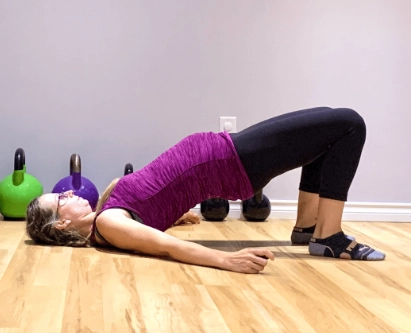
Food Safety: This is about avoiding specific bacteria. Say no to: unpasteurized (raw) milk and cheeses (soft cheeses like brie, feta, blue cheese are okay if made from pasteurized milk—check the label), raw or undercooked meat/fish/eggs, deli meats and hot dogs unless heated to steaming, and high-mercury fish (shark, swordfish, king mackerel, tilefish).
Exercise: If you were active, keep it up! It boosts mood and energy. Just avoid activities with high fall risk (horseback riding, downhill skiing) or contact (soccer). Listen to your body—if you're wiped, take a walk instead of a run. If you're new to exercise, start gently with walking or prenatal yoga.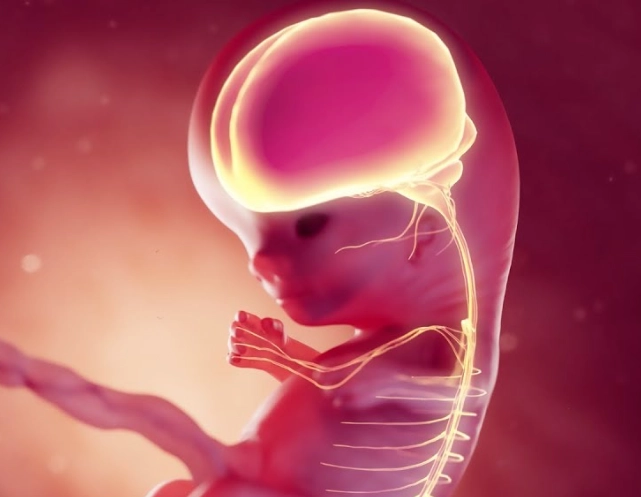
Supporting Your Mental and Emotional Health
This is the piece most first-trimester guides gloss over. You're not just incubating; you're processing a massive life change. Anxiety about miscarriage is normal. Mood swings from the hormone rollercoaster are normal. Feeling disconnected because you don't "look" pregnant yet is normal.
Talk about it. With your partner, a friend, or a therapist. Don't bottle up the fear. I found journaling helped—writing letters to the baby, even when it was just a poppy seed-sized blob on an ultrasound, made it feel more real.
Set boundaries. You don't owe anyone an immediate announcement or daily updates. Share the news on your timeline, with people who will support you.
Your First Trimester Questions, Answered
The first trimester is about endurance and foundation-laying. You won't get everything perfect every day, and that's okay. Be kind to yourself. Make the key choices—prenatal care, nutrition, avoiding harmful substances—and give yourself grace for the rest. You're growing a person. That's more than enough.
Reader Comments