Quick Guide
So you just got that positive test, and your mind is racing. One of the first things many of us do (I know I did) is stand in front of the mirror, turn sideways, and squint. Is there a bump? Is something different? Let me save you some squinting time right now: at one month pregnant, you will not have a visible baby bump. I know, it's a bit of a letdown when you're bursting with excitement. But understanding the "why" behind this is way more fascinating and reassuring than staring at your still-flat stomach.
That term "1 month pregnant" is also a bit tricky. You're actually only about two weeks pregnant from conception at this point. Doctors count pregnancy from the first day of your last menstrual period (LMP), not from ovulation or conception. So when you're "4 weeks pregnant," which is roughly one month, the embryo has only been developing for about two weeks. It's microscopic. We're talking about a poppy seed or a tiny grain of rice. That little poppy seed isn't going to push your belly out.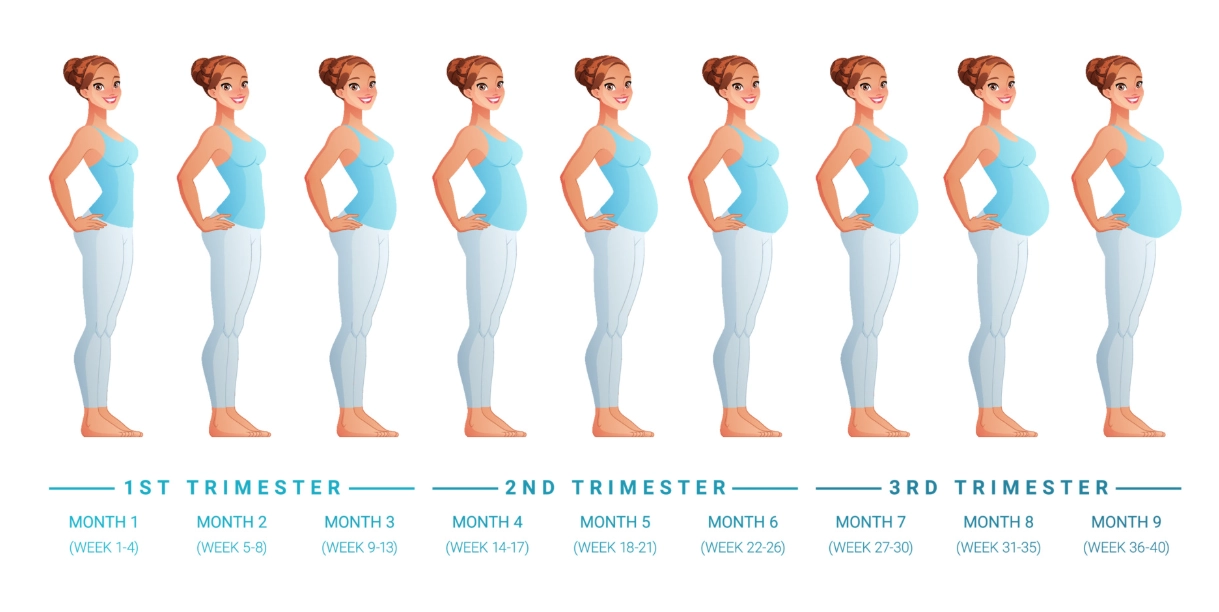
The Big Takeaway: If you're searching for images of a "1 month pregnant belly size," you'll mostly find flat stomachs or pictures of bloating. Any pronounced bump you see online at this stage is either not actually one month along, is due to severe bloating, or is, frankly, misleading content.
Why You Won't See a 1 Month Pregnant Belly Size Change
Let's break down the science simply. Your uterus, where all the action is, is still tucked deep inside your pelvis. It's about the size of a small pear or your closed fist. It hasn't grown enough yet to even rise above your pubic bone. Think of it like a tiny seed planted deep in a flower pot. It needs time to grow roots and sprout before it starts displacing the soil.
So, what are you feeling if it's not a baby bump? Ah, now we get to the real early pregnancy experience.
The Bloat vs. Baby Bump Confusion
This is the #1 reason women think they're "showing" early. I remember feeling incredibly bloated just days after my positive test. My jeans felt tight by afternoon, and I was convinced something was happening. It wasn't the baby; it was my digestive system throwing a fit.
Early pregnancy hormones, especially progesterone, are glorious but chaotic. They slow down your entire digestive tract. Food moves slower, leading to gas, constipation, and that full, distended feeling. This bloating can come and go throughout the day, often worse in the evening. A true baby bump is firm, grows steadily, and doesn't deflate overnight.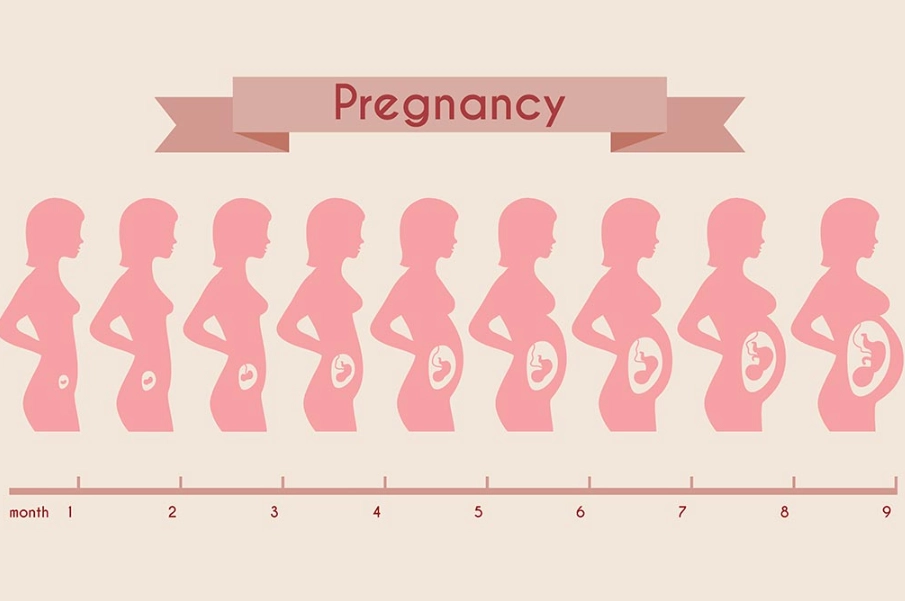
Here’s a quick table to help you tell the difference:
| Feature | Early Pregnancy Bloating | Actual Baby Bump |
|---|---|---|
| Cause | Hormones (progesterone) slowing digestion, gas, constipation. | Physical growth of the uterus and baby. |
| Feel | Soft, gaseous, often uncomfortable or crampy. Can change with posture. | Firm, rounded. The uterus itself can be felt as a firm mass low in the pelvis later on. |
| Timing | Can come and go within hours or days. Often worse after eating. | Grows slowly and steadily over weeks. Does not recede. |
| When it Starts | Can begin immediately in the first few weeks. | Typically becomes noticeable (to you) between 12-16 weeks, and to others later. |
| Relief | Diet changes, walking, gas relief medication (check with doctor). | No "relief"—it's a permanent, growing change. |
See the difference? That tight feeling you're attributing to your 1 month pregnant belly size is almost certainly your gut reacting to hormones.
What's Actually Happening Inside at 1 Month Pregnant?
While your exterior isn't changing, the inside of your body is building a whole new life support system. It's incredible when you think about it. The American College of Obstetricians and Gynecologists (ACOG) outlines that by the end of the fourth week, the embryo's basic structures for the brain, spinal cord, heart, and gastrointestinal tract are beginning to form. The heart starts to beat, though it's often too early to detect on an ultrasound.
Your body is also working overtime. Blood volume starts to increase to supply the developing placenta. Your breasts might feel sore or tingly as the milk ducts prepare for their future job. Fatigue hits like a truck for many women because your body is using massive amounts of energy for this construction project. You might also experience that infamous nausea, though it often peaks a few weeks later.
So, the focus shouldn't be on the external 1 month pregnant belly size, but on the monumental internal work. Nourishing yourself, resting, and taking prenatal vitamins are your most important jobs right now.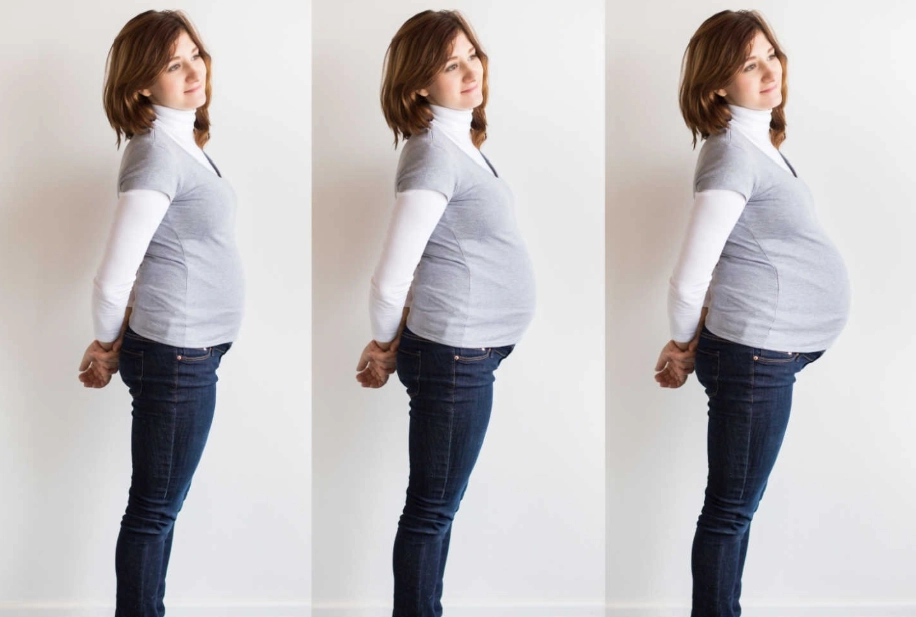
Personal Note: I was so fixated on the lack of a bump that I almost missed appreciating the wild science happening inside me. The fatigue was real, and I wish I'd given myself more permission to just rest instead of analyzing my reflection.
When WILL I Start to Show? A Realistic Timeline
This is the big question after the 1 month pregnant belly size curiosity fades. The answer is: it depends, but generally much later than pop culture leads you to believe.
- First-time moms: You'll likely start to notice a small, firm lower abdominal bulge between 12 and 16 weeks. It might just look like you had a big lunch at first. It often "pops" more noticeably between 16 and 20 weeks.
- Second (or more) time moms: Your abdominal muscles are more relaxed from previous pregnancies. Because of this, you might start showing earlier, sometimes as early as 10-12 weeks.
- Body type matters: Individuals with a shorter torso or a smaller frame might show earlier because the uterus has less vertical space to expand before pushing outward. Those with a longer torso or more abdominal muscle might show later.
I think the media does us a disservice by showing actors with obvious bumps in "first trimester" scenes. It sets unrealistic expectations and can make you feel like something's wrong if your timeline is different. Your timeline is your own.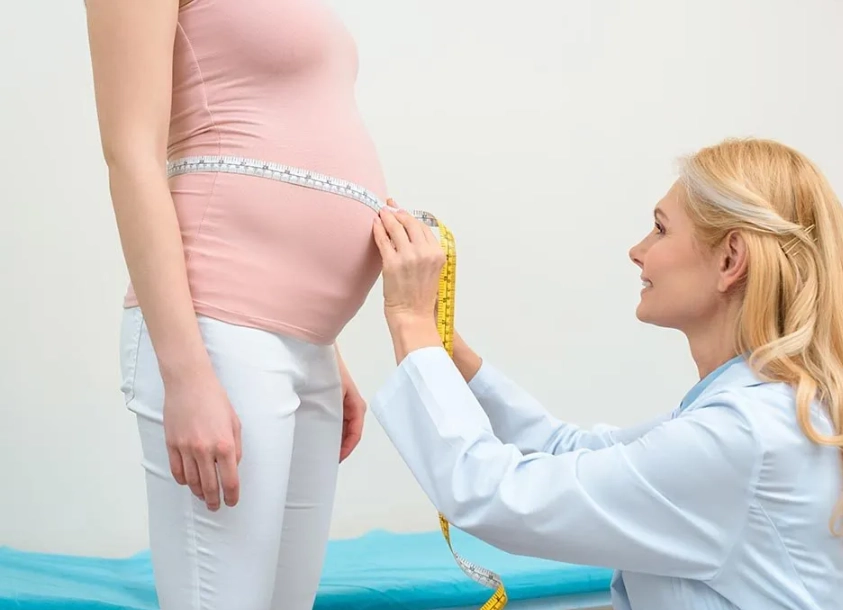
Common Questions (And Straight Answers) About Early Pregnancy
"My lower belly feels hard. Is that the baby?"
At one month, almost certainly not. What you're likely feeling is one of two things: 1) Bloating and gas making your intestines feel firm, or 2) Your normal uterus. If you press really low on your abdomen, right above your pubic bone, you can sometimes feel your non-pregnant uterus. It feels like a firm, small ball. When you're pregnant, it gets slightly larger and softer (a sign called Hegar's Sign that doctors check), but you probably can't detect that change yourself yet.
"I look bigger in the evening. Am I showing?"
Classic bloating. Throughout the day, as you eat and drink, and as digestion slows, gas builds up. By evening, many women have a distinctly rounder, tighter abdomen. It's so common it has nicknames like "preg bloat" or the "4pm bump." Try noticing if it's flat again in the morning after a night of lying down and letting things settle.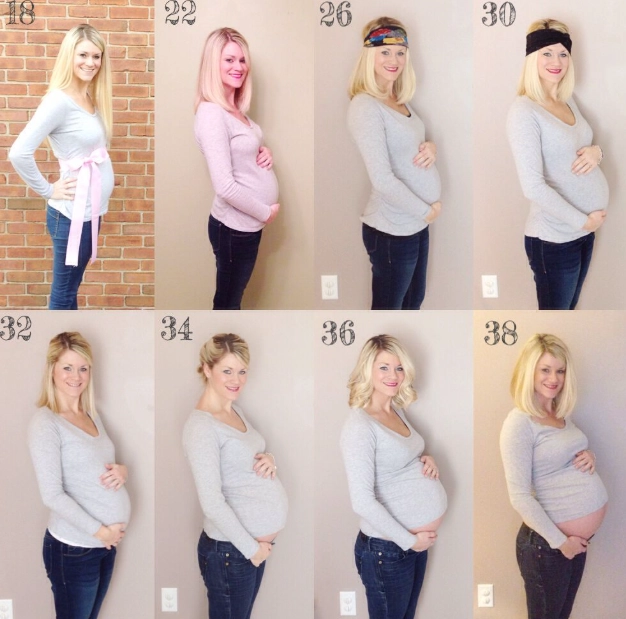
"When should I tell people I'm pregnant?"
This is 100% a personal choice with no right answer. The reason many wait until after the first trimester (around 12-13 weeks) is that the risk of miscarriage drops significantly after that point, according to data from sources like the Mayo Clinic. Telling earlier means you'd also have the support of those people if something went wrong. I told my closest family immediately because I knew I'd want their support no matter what. I waited to tell work and acquaintances until after the 12-week scan. Do what feels right for your emotional safety net.
"What CAN I do to feel connected to the pregnancy before I show?"
This is a brilliant question. When you can't see physical proof, it can feel abstract. Here’s what helped me:
- Start a journal: Write letters to your poppy-seed-sized baby. Note your symptoms, your hopes, your random cravings.
- Take weekly photos: Yes, even though there's no bump. Stand in the same spot, in the same clothes. You'll be glad you have the "before" shots later, and it creates a ritual.
- Focus on prenatal care: That first doctor's appointment, hearing the heartbeat (usually around 8-12 weeks), taking your vitamins diligently—these are tangible actions.
- Buy one symbolic item: A tiny onesie, a children's book, or a special pregnancy pillow. It makes it feel more real.
Red Flags vs. Normal Twinges
It's easy to panic at every little cramp when you're hyper-aware of your 1 month pregnant belly size (or lack thereof). Most mild, period-like cramping in early pregnancy is totally normal. It's caused by the uterus stretching and expanding (those are called "round ligament pains" later on). Implantation cramping can also occur earlier.
However, you should contact your healthcare provider immediately if you experience:
- Severe, sharp, or persistent abdominal pain on one side or both.
- Heavy bleeding that soaks through a pad, especially if accompanied by cramping (light spotting can be normal, but heavy flow is not).
- Painful urination or a fever with abdominal pain, which could indicate a urinary tract infection.
Trust your gut. If something feels "off" or much more intense than your normal menstrual cramps, it's always worth a call to your doctor or midwife. Don't feel silly. It's their job to reassure you or check things out.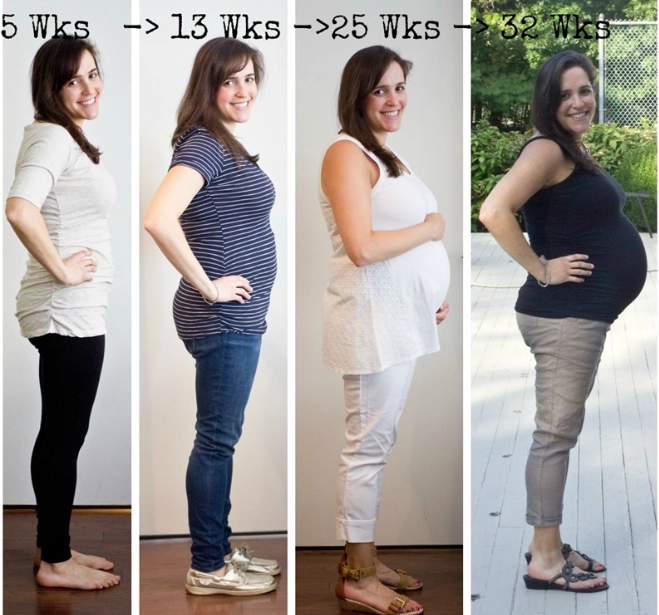
The Mental Game: Dealing with the In-Between Stage
Nobody really talks about this weird limbo. You have this huge secret that's changing your life, but zero physical evidence. You might feel sick and tired, but you look exactly the same. It's a mind-bender.
You might feel impatient. You might feel like you're "faking it" or that it's not real yet. All of that is normal. The desire for a visible 1 month pregnant belly size is often just a desire for external confirmation of the massive internal shift.
My advice? Try to embrace the stealth mode. Enjoy your favorite non-maternity clothes while you can. Eat what you can keep down (saltines were my best friend). Rest without guilt. The bump will come, and with it, a whole new set of experiences and questions. For now, your body is doing the most important work in the most discreet way possible. And that's pretty amazing.
Remember, every pregnancy and every body is different. The timeline for showing, the amount of bloating, the symptoms—they all vary wildly. Comparing your day 30 to someone else's Instagram post is a recipe for anxiety. The best source of information for your specific situation is always your healthcare provider. They can address your concerns about your development and give you personalized guidance, like the nutritional advice found on the Centers for Disease Control and Prevention (CDC) pregnancy pages.
So, put the mirror away for a bit. Your little one is right on schedule, even if they're still playing hide-and-seek.
Reader Comments