A healthy pregnancy isn't just about luck or genetics. It's a series of daily choices you make. Feeling overwhelmed is normal, but improving your health during these nine months is more straightforward than you might think. It boils down to smart nutrition, safe movement, and taking care of your mind. Let's break it down into actionable steps you can start today.
What’s Inside?
Nutrition: Building Your Foundation
Forget "eating for two" in terms of quantity. The mantra should be "eating for two" in terms of quality. Your body needs more of certain nutrients, not necessarily more calories, especially in the first trimester. In the second and third trimesters, you only need about 300-500 extra calories per day—that's roughly a healthy snack and a small meal.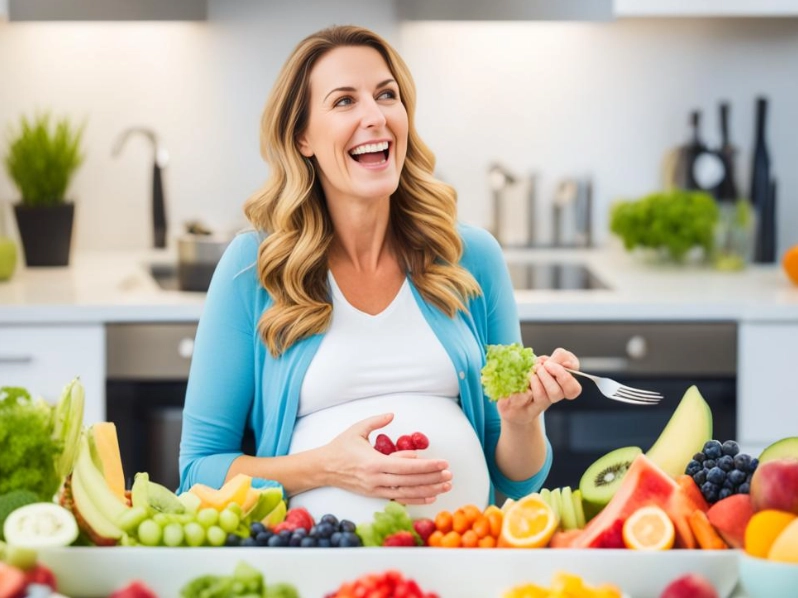
Here’s the thing: I've seen many pregnant clients stress over every bite. Don't. Focus on consistently adding good things to your plate rather than obsessively subtracting "bad" things. A cookie today won't hurt. A diet of only cookies will.
How to Build Your Pregnancy Plate
Think of your meals in terms of food groups you need to hit daily:
Protein: Crucial for your baby's tissue growth and your expanding blood supply. Aim for 75-100 grams daily. Sources: Lean chicken, fish (low-mercury like salmon, cod), eggs, beans, lentils, tofu, Greek yogurt.
Complex Carbs: Your body's main energy source. Choose fiber-rich options to combat constipation. Sources: Whole grain bread/pasta, oats, quinoa, sweet potatoes, brown rice.
Healthy Fats: Essential for baby's brain development. Sources: Avocado, nuts, seeds, olive oil, fatty fish.
Fruits & Vegetables: Packed with vitamins, minerals, and fiber. Aim for a rainbow of colors. Dark leafy greens (spinach, kale) are superstars for folate and iron.
The Hydration Factor
This is one of the most overlooked aspects. Dehydration can lead to Braxton Hicks contractions, headaches, fatigue, and even urinary tract infections. Your blood volume increases by nearly 50%, so you need more fluid.
Carry a large water bottle. Aim for at least 8-10 glasses (about 2-2.5 liters) per day. If plain water is boring, add slices of cucumber, lemon, or berries. Herbal teas like ginger or peppermint (in moderation) can also count.
What About Supplements?
Prenatal vitamins are non-negotiable. They fill the nutritional gaps in even the best diet. The key player is folic acid (600 mcg daily), which prevents neural tube defects. Start taking it before conception if possible.
Iron is another big one. Your need doubles to 27 mg per day. Many prenatal vitamins contain it, but your doctor will check your levels. Iron from supplements can cause constipation, so pair it with high-fiber foods and plenty of water.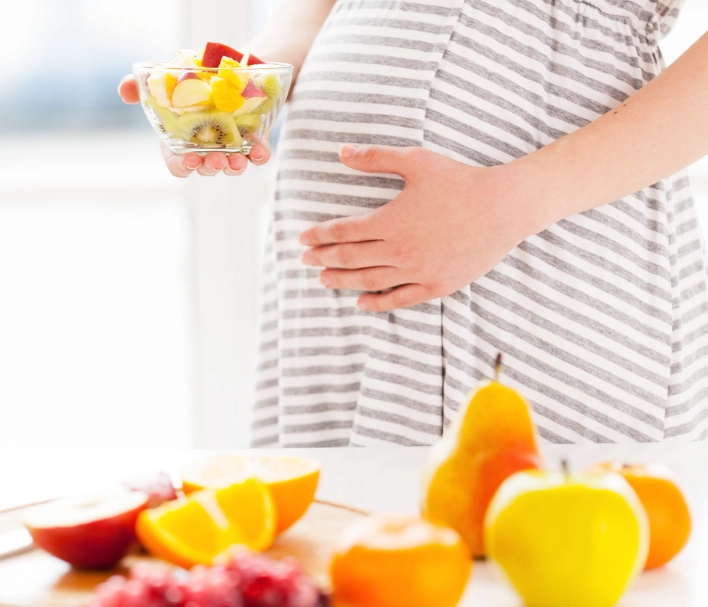
Here’s a quick guide to the key players:
| Nutrient | Why It's Important | Good Food Sources |
|---|---|---|
| Folic Acid/Folate | Prevents brain and spine birth defects. | Fortified cereals, lentils, spinach, asparagus. |
| Iron | Makes hemoglobin for you and baby, prevents anemia. | Lean red meat, beans, spinach, fortified grains. |
| Calcium | Builds baby's bones and teeth; protects yours. | Dairy, fortified plant milks, broccoli, kale. |
| Vitamin D | Helps body use calcium; supports immune function. | Sunlight, fatty fish, fortified milk/eggs. |
| DHA (Omega-3) | Critical for baby's brain and eye development. | Salmon, sardines, trout, algae-based supplements. |
Movement Matters: Safe Exercise in Pregnancy
If you were active before, you can usually continue, with modifications. If you're new to exercise, start slow. The goal isn't to set personal records; it's to maintain strength, ease aches, improve mood, and prepare for labor.
The American College of Obstetricians and Gynecologists (ACOG) recommends at least 150 minutes of moderate-intensity aerobic activity per week. That's 30 minutes, five days a week.
Great options include:
- Walking: The perfect zero-equipment, low-impact workout.
- Swimming or Water Aerobics: The water supports your weight, relieving back and joint pain.
- Prenatal Yoga or Pilates: Improves flexibility, focus, and breathing techniques.
- Stationary Cycling: A safe way to get your heart rate up without impact.
A subtle but crucial point: As you enter the second and third trimesters, avoid exercises where you lie flat on your back for prolonged periods. The weight of your uterus can compress a major blood vessel (the vena cava), reducing blood flow to your heart and brain, making you dizzy. Modify by using a wedge pillow or switching to side-lying or upright positions.
Listen to your body. Stop if you feel pain, dizziness, shortness of breath, or vaginal bleeding. Stay cool and hydrated.
Mental Wellbeing: The Overlooked Pillar
Pregnancy is an emotional rollercoaster. Hormones are raging, your body is changing rapidly, and anxiety about the future is real. Managing stress is not a luxury; it directly impacts your physical health and your baby's development.
Stress Management Tools:
- Mindfulness or Meditation: Even 5-10 minutes a day can lower cortisol levels. Apps like Calm or Insight Timer have specific pregnancy tracks.
- Talk It Out: Don't isolate yourself. Talk to your partner, friends, or a therapist. Prenatal support groups can be invaluable—you realize you're not alone in your fears.
- Set Boundaries: Learn to say no. You don't have to host every family gathering or work late. Protect your energy.
The Sleep Struggle
Sleep becomes elusive due to heartburn, leg cramps, and a growing belly. Yet, it's when your body does crucial repair work.
Try these hacks: Use pillows for support—a pillow between your knees and under your belly in a side-sleeping position can be a game-changer. Establish a calming bedtime routine: warm bath (not hot), reading, no screens. If you wake up and can't fall back asleep, don't just lie there frustrated. Get up, have a small snack (like a banana or crackers), read a boring book, then try again.
What to Avoid: Common Pitfalls
Knowing what to avoid is just as important as knowing what to do.
Alcohol, Smoking, and Recreational Drugs: These are absolute no's. There is no known safe amount of alcohol during pregnancy. Smoking restricts oxygen to the baby. Talk to your doctor immediately if you need help quitting.
Certain Foods: Avoid raw or undercooked meat, fish, and eggs; unpasteurized dairy and juices; and high-mercury fish (shark, swordfish, king mackerel, tilefish). The CDC and FDA have detailed guides on food safety.
Over-the-Counter Medications: Don't assume a medication is safe. Always check with your doctor or pharmacist. Common pain relievers like ibuprofen are not recommended, especially in the third trimester.
Extreme Heat: Avoid hot tubs, saunas, and very hot baths, as raising your core temperature too much can be risky for the baby.
Finally, your most important job is to go to all your prenatal appointments. They are your roadmap, catching potential issues early. Build a partnership with your healthcare provider. Ask questions. No question is silly.
Your Pregnancy Health Questions Answered
Can I still drink coffee while pregnant?
Most health authorities, like the American College of Obstetricians and Gynecologists (ACOG), agree that up to 200 milligrams of caffeine per day is generally considered safe. That's roughly one 12-ounce cup of coffee. The key is moderation and awareness. Caffeine is also in tea, soda, and chocolate. Consider switching to half-caff or decaf later in the day. Listen to your body; some women find even small amounts make them jittery or disrupt sleep, which are good reasons to cut back further.
Is it safe to travel during pregnancy?
The second trimester (weeks 14-27) is often called the 'sweet spot' for travel, as morning sickness usually eases and energy levels are better. Always consult your doctor first, especially if you have any complications. For air travel, most airlines allow it up to 36 weeks, but check their specific policies. The real issue is comfort and safety. Get an aisle seat for easy bathroom access, walk every hour to promote circulation, and stay hydrated. Pack your prenatal vitamins and a copy of your medical records, just in case. Long car trips require similar breaks for stretching and walking.
How much weight should I realistically gain?
There's no single number. It depends entirely on your pre-pregnancy Body Mass Index (BMI). The Institute of Medicine provides general guidelines: Underweight (BMI
What are the absolute 'no' foods in pregnancy?
The list is about avoiding bacteria and toxins that can harm the baby. Key items to avoid: Unpasteurized dairy and juices (risk of Listeria), raw or undercooked meat, eggs, and seafood (risk of Salmonella, Toxoplasma), high-mercury fish (like swordfish, king mackerel, tilefish), and raw sprouts. Also, avoid alcohol completely—there is no known safe amount. Deli meats and hot dogs are controversial; if you eat them, heat them until steaming hot to kill any potential bacteria. When in doubt, cook it thoroughly or skip it. It's a temporary sacrifice for your baby's safety.
Reader Comments