Let's cut through the noise. Pregnancy symptoms are a universal experience, yet they feel intensely personal when they're happening to you. One day you're fine, the next you're wondering why you're so tired you could nap on a pile of laundry, or why certain smells suddenly make you want to run for the hills. I've worked with hundreds of expecting parents over the years, and the one constant is the search for clear, reliable information about what's happening to their bodies. This guide isn't just a list of symptoms. It's a roadmap to understanding them, managing them, and knowing when a twinge is just a twinge and when it's a signal to pick up the phone.
What You'll Find in This Guide
What Are the Early Signs of Pregnancy?
Before you even miss a period, your body might be sending signals. These early pregnancy symptoms are caused by a surge in hormones like hCG and progesterone. Everyone's different, but here's what many people notice first:
- Tender, swollen breasts: This can feel like an exaggerated version of pre-period tenderness. It often starts 1-2 weeks after conception.
- Fatigue that hits like a truck: You're not lazy. Your body is working overtime to build the placenta. This profound tiredness is one of the most common early complaints.
- Nausea with or without vomiting: "Morning sickness" is a misnomer. It can strike any time. For some, it's just aversions to certain smells (coffee was my personal nemesis).
- Increased urination: Thanks to increased blood flow and later, pressure from your growing uterus.
- Light spotting and cramping: Often called implantation bleeding, this can be mistaken for a light period. The cramping is usually milder than menstrual cramps.
A key point most articles miss: The pattern and combination of symptoms matter more than any single one. Having sore breasts alone is less telling than sore breasts combined with sudden fatigue and a metallic taste in your mouth.
Common Pregnancy Symptoms and How to Manage Them
As pregnancy progresses, the cast of characters changes. Here’s a breakdown of the usual suspects you might encounter beyond the first trimester. I've found that understanding the "why" behind a symptom makes it easier to cope with.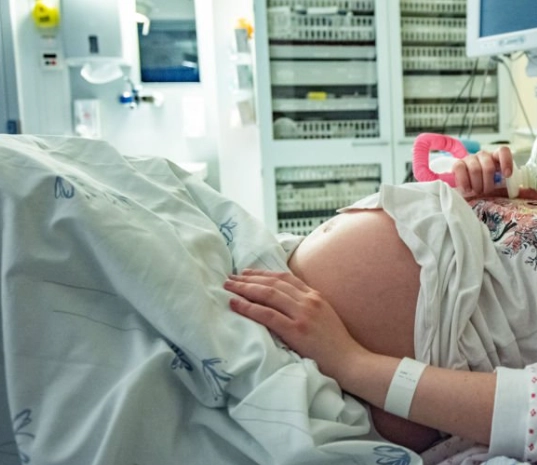
| Symptom | Typical Onset/Trimester | Primary Cause | Practical Management Tip (Beyond the Obvious) |
|---|---|---|---|
| Heartburn & Indigestion | 2nd & 3rd Trimesters | Relaxed valve between stomach/esophagus + uterine pressure | Sleep propped up with an extra pillow. Eat smaller, more frequent meals. Avoid eating 2-3 hours before bed. |
| Back Pain | 2nd & 3rd Trimesters | Shifting center of gravity, loosening ligaments | Try prenatal yoga or swimming. Apply a warm (not hot) compress. Pay attention to posture when sitting. |
| Swelling (Edema) | 3rd Trimester | Increased body fluids and blood volume, slowed circulation | Elevate feet when sitting. Avoid standing for long periods. Drink plenty of water (counterintuitively, it helps). |
| Shortness of Breath | Late 2nd & 3rd Trimesters | Uterus pushing against diaphragm | Practice good posture to give lungs more room. Use extra pillows to sleep semi-upright. |
| Leg Cramps | 2nd & 3rd Trimesters | Fatigue, pressure on nerves, possibly mineral imbalances | Stretch calf muscles before bed. Point toes upward, not downward, when a cramp strikes. |
| Constipation | All Trimesters | Hormones slowing digestion, iron supplements | Increase fiber gradually. Prune juice is a classic for a reason. Stay active with walking. |
Let's talk about nausea for a second. The standard advice is "eat small, bland meals." That's fine, but here's what often works better: don't let your stomach get completely empty. Keep plain crackers, dry cereal, or a banana by your bed and eat a bit before you even get up. The acidity of an empty stomach can trigger nausea. And for heartburn, I remember a client who swore by chewing sugar-free gum after meals to stimulate saliva, which neutralizes acid.
Pregnancy Symptoms Week by Week: A Trimester Breakdown
While every pregnancy is unique, there's a general timeline for when certain symptoms tend to appear, peak, and fade.
First Trimester (Weeks 1-12)
This is the hormone hurricane. Fatigue, nausea, breast tenderness, and frequent urination dominate. You might also experience mood swings, food aversions, and a heightened sense of smell. Around weeks 6-8, symptoms often intensify. The good news? For many, the intense nausea starts to ease up by the end of this trimester.
Second Trimester (Weeks 13-27)
Often called the "honeymoon phase." Energy usually returns, nausea subsides, and you start to feel more human. New symptoms emerge as your belly grows: round ligament pain (sharp, brief pains in your lower abdomen), visible veins, skin changes (the "mask of pregnancy" or linea nigra), and you'll likely feel those first flutters of movement (quickening) between 16-25 weeks.
Third Trimester (Weeks 28-40+)
The home stretch brings physical challenges from your size. Heartburn, backache, swelling, shortness of breath, and trouble sleeping are common. Braxton Hicks contractions (practice contractions) start. The baby's movements become stronger and more defined. In the final weeks, you might feel increased pelvic pressure as the baby "drops" or engages.
How Can I Relieve Common Pregnancy Symptoms?
General advice is everywhere. I want to give you the tactical, less-obvious strategies I've seen work.
For fatigue: Schedule a 20-minute power nap in the afternoon if you can. If not, even closing your eyes and doing deep breathing at your desk can reset your system. Delegate tasks. Say no to non-essential commitments. This isn't the time to be a hero.
For back and pelvic pain: See a physical therapist who specializes in prenatal care. They can teach you specific exercises and alignment tips. A well-placed pregnancy support belt can make a world of difference for walks or standing work.
For insomnia: Create a strict wind-down routine. No screens an hour before bed. Read a physical book. Try a pregnancy pillow—not just for your belly, but to support your back and between your knees. If you wake up to pee and can't fall back asleep, don't lie there frustrated. Get up, have a small snack (like a piece of toast), read for 15 minutes, then try again.
The biggest mistake I see? People treat each symptom in isolation. Start a simple symptom diary. Note what you feel, when, and what you ate or did beforehand. You'll often spot your personal triggers and effective remedies within a week.
Red Flag Symptoms: When to Call Your Doctor Immediately
Most symptoms are normal. These are not. If you experience any of the following, contact your healthcare provider or go to the emergency room right away. Don't wait.
- Severe abdominal pain or cramping that doesn't go away.
- Vaginal bleeding that is heavy (soaking a pad) or accompanied by pain.
- Sudden, severe headache that won't quit, especially with visual changes (blurring, spots).
- Signs of preeclampsia: Sudden swelling in your face or hands, severe pain under your ribs, sudden weight gain.
- Decreased fetal movement: A noticeable, persistent slowdown in your baby's kicks after 28 weeks.
- Fluid gushing or leaking from your vagina (your water breaking).
- Chills or fever over 100.4°F (38°C).
Trust your gut. If something feels seriously wrong, even if it's not on this list, get it checked out. It's always better to be safe.
Your Pregnancy Symptoms Questions, Answered
The journey through pregnancy symptoms is a marathon, not a sprint. Listen to your body, communicate openly with your care team, and remember that this intense, transformative experience has a defined endpoint. You've got this.
Reader Comments