Quick Guide
- Breaking Down the 12 Week Fetus: More Than Just Size
- Your Body at 12 Weeks: The Shifting Landscape
- The 12-Week Scan: More Than Just a Photo Op
- Nutrition & Lifestyle: Fueling the Growth Spurt
- Your Prenatal Checkup: What to Expect
- Common Questions About Being 12 Weeks Pregnant
- Looking Ahead: The Second Trimester
So, you've hit the 12-week mark. Congratulations are definitely in order! This is a huge milestone, often marking the end of the first trimester and the beginning of a (hopefully) more comfortable phase. If you're like I was, you're probably obsessively googling "12 weeks pregnant baby size" and trying to picture what's happening in there. Is it still a tiny blob? Does it look like a baby yet? Let's cut through the generic info and talk about what's actually going on with your little one and your body.
First things first, that 12 weeks pregnant baby size you're curious about. The most common comparison you'll see is a lime or a plum. But honestly, I always found fruit comparisons a bit vague. A better way to think about it? Your baby is roughly the length of a credit card from crown to rump—about 2.1 inches (5.4 cm). The weight is still tiny, around 0.49 ounces (14 grams). But here's the crazy part: even at this 12 week fetus size, almost all of the critical structures are formed. The hard work of building the blueprint is mostly done. Now, it's all about growth, refinement, and practice.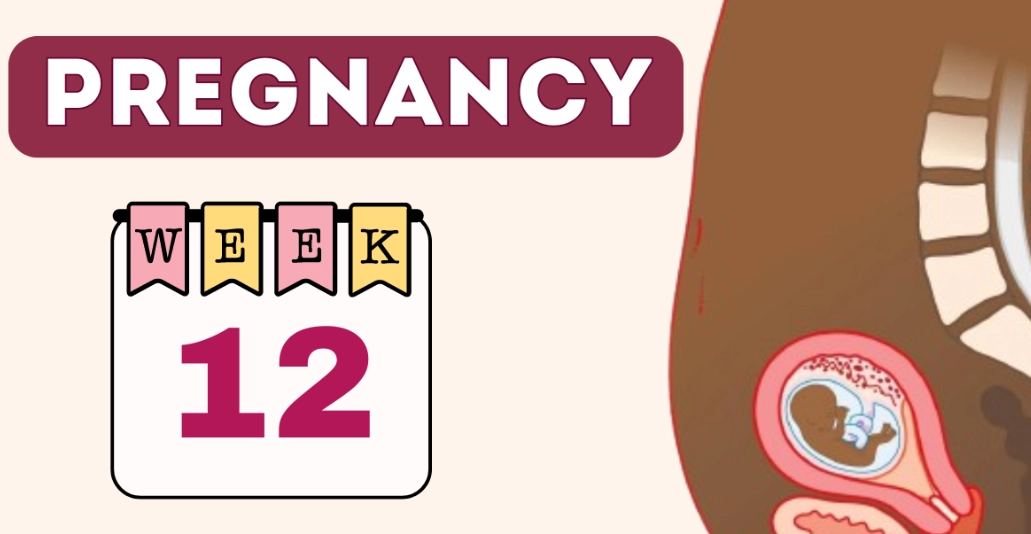
Quick Takeaway: At 12 weeks, your baby is no longer an embryo but a fully-formed fetus. The major organ systems are in place and starting to function. The risk of miscarriage drops significantly after this point, which is why many people feel comfortable sharing their news.
Breaking Down the 12 Week Fetus: More Than Just Size
When you hear "baby size at 12 weeks," it's easy to just focus on the measurement. But the development is where the real magic is. This isn't just a growth spurt; it's a period of incredible fine-tuning.
From Head to Toe: A Detailed Look
The Head & Face: This is a big one. The head is still quite large compared to the body (about half the crown-rump length), which is completely normal. The eyes, which started out on the sides of the head, have moved closer together. The ears are nearly in their final position on the sides of the head. Tiny tooth buds are forming under the gums. Perhaps the most exciting change? The palate (roof of the mouth) has fused. I remember my doctor pointing this out on the ultrasound and saying, "Look, no cleft!" It was a relief I didn't even know I needed.
Limbs & Movement: Here's something that might surprise you. Your baby is moving a lot. You won't feel it for several more weeks (that's the "quickening," usually around 16-22 weeks), but on an ultrasound, it's like watching a tiny acrobat. Arms and legs are fully formed, with fingers and toes separated and nails beginning to develop. They practice bending their elbows and wrists. It's not random twitching; it's coordinated muscle development.
Internal Organs: This is the heavy-lifting stage. The liver is starting to produce bile. The kidneys are producing urine, which gets released into the amniotic fluid (yes, your baby is peeing in there, and it's perfectly normal!). The intestines, which initially developed partly in the umbilical cord, are now moving into the abdomen. The pancreas is beginning to secrete insulin. It's a bustling little factory in there.
Fun Fact: At 12 weeks, your baby's unique fingerprints are already forming on those tiny fingertips! The patterns are determined by genetics and the environment in the womb (like the pressure of the amniotic fluid against the skin). No one else in the world will have the same ones.
Nervous System & Reflexes
The brain is developing at an astonishing rate. The basic structures are all there, and it's starting to take on a more mature appearance. Your baby may start to exhibit primitive reflexes. They might suck their thumb if their hand floats near their mouth—an early sign of the rooting and sucking reflexes essential for feeding after birth. Their hands can make a fist. If you could stroke the palm of their hand, they might even grasp your finger (a reflex called the palmar grasp).
Think about that. At this 12 weeks pregnant baby size, with a body the length of a plum, they are already practicing the instincts that will help them survive and bond with you.
Your Body at 12 Weeks: The Shifting Landscape
Okay, so the baby is doing all these amazing things. What about you? The 12-week mark often brings a shift. For many, the relentless nausea and fatigue of the first trimester start to ease up. I remember waking up around week 13 and realizing I didn't feel like I was on a perpetually rocky boat. It was glorious.
But don't be alarmed if you're not feeling 100% better yet. Every pregnancy is different. Some sail through the first trimester, while others (like me) have nausea that lingers well into the second.
Here's a rundown of what you might be experiencing:
- Energy Boost: The placenta is now fully taking over hormone production, which can relieve some of the exhaustion. You might find you can stay awake past 8 PM again!
- Decreased Nausea: For many, the peak of morning sickness has passed. If yours is severe and not improving, talk to your doctor. Hyperemesis gravidarum is real and treatable.
- Visible Bump: You might be noticing a small, firm bump low in your abdomen. It's not just bloat anymore; your uterus has grown to about the size of a grapefruit and is rising out of your pelvic cavity. Time to consider some comfortable maternity pants or belly bands.
- Skin Changes: The "pregnancy glow" is a real thing for some, thanks to increased blood volume and oil gland activity. For others, it's more like acne or darkening of the skin (linea nigra down the abdomen, darker areolas).
- Breast Changes: They may still be tender and have grown larger. The areolas might be darker and larger, with small bumps (Montgomery's tubercles) becoming more prominent.
- Increased Discharge: Leukorrhea, a thin, milky-white vaginal discharge, is normal and increases during pregnancy. It helps prevent infections. But report any foul smell, green/yellow color, or itching/burning to your doctor.

When to Call Your Doctor: While many symptoms are normal, some warrant a call. These include severe abdominal pain, heavy bleeding (more than light spotting), a sudden decrease in pregnancy symptoms (though this can be normal as hormones shift), pain or burning during urination, or severe headaches. Always trust your gut—if something feels wrong, get it checked.
The 12-Week Scan: More Than Just a Photo Op
For many, this is the first major ultrasound. It's often called the NT (Nuchal Translucency) scan or the first-trimester screening. It's not just about getting that adorable profile picture (though that is a fantastic bonus). This scan serves two critical medical purposes:
- Dating & Viability: It confirms your due date with greater accuracy by measuring the baby's crown-rump length (that key 12 week fetus size measurement). It also confirms the heartbeat and checks for multiple pregnancies.
- Nuchal Translucency (NT) Measurement: This measures the clear space at the back of the baby's neck. An increased measurement can be a soft marker for certain chromosomal conditions, like Down syndrome (Trisomy 21). It's important to remember this is a screening test, not a diagnostic one. It assesses risk, not a definitive yes/no.
The scan is often combined with a blood test (the First Trimester Combined Screen) to give a more accurate risk assessment. Your healthcare provider will discuss the results with you. If the screen indicates a higher risk, they will offer diagnostic tests like CVS or amniocentesis.
I was a nervous wreck before my 12-week scan. What if they couldn't find the heartbeat? What if something was wrong? Seeing that little figure bouncing around, seeing the heart fluttering like a tiny hummingbird's wings... it was an instant wave of relief and connection. The sonographer even caught a shot of the baby "waving." It's a moment I'll never forget.
Nutrition & Lifestyle: Fueling the Growth Spurt
With your baby entering a major growth phase, nutrition becomes even more crucial. You're not "eating for two" in terms of calories (you only need about 300-350 extra calories per day in the second trimester), but you are eating for the quality of two.
| What to Focus On | Why It's Important | Great Sources |
|---|---|---|
| Protein | Essential for building every cell in your baby's rapidly growing body. | Lean meats, poultry, fish, eggs, legumes, tofu, Greek yogurt. |
| Iron | Prevents anemia and supports increased blood volume. Helps deliver oxygen to baby. | Red meat, spinach, lentils, fortified cereals, beans. Pair with Vitamin C (like bell peppers) for better absorption. |
| Calcium | Builds strong bones and teeth for your baby. Protects your own bone density. | Dairy (milk, cheese, yogurt), fortified plant milks, leafy greens (kale, bok choy), almonds. |
| DHA (an Omega-3) | Crucial for baby's brain and eye development. | Fatty fish (salmon, sardines – low mercury), algae oil supplements, fortified eggs. |
| Folate/Folic Acid | Still critical! Prevents neural tube defects. Important throughout pregnancy. | Leafy greens, citrus fruits, beans, fortified grains, prenatal vitamin. |
| Fiber | Combats the common second-trimester complaint: constipation. | Whole grains (oats, quinoa), fruits (pears, berries), vegetables, nuts, seeds. |
What to Limit or Avoid
This list hasn't changed much, but it's worth repeating: Avoid alcohol completely. There is no known safe amount during pregnancy. Limit caffeine to less than 200mg per day (about one 12-oz coffee). Avoid raw or undercooked meat, fish high in mercury (swordfish, king mackerel, tilefish), unpasteurized dairy and juices, and raw sprouts. Be meticulous about washing fruits and vegetables.
And about that sushi craving? You can have cooked sushi (like eel or tempura rolls) or vegetarian rolls. I missed my spicy tuna rolls immensely, but cooked alternatives helped.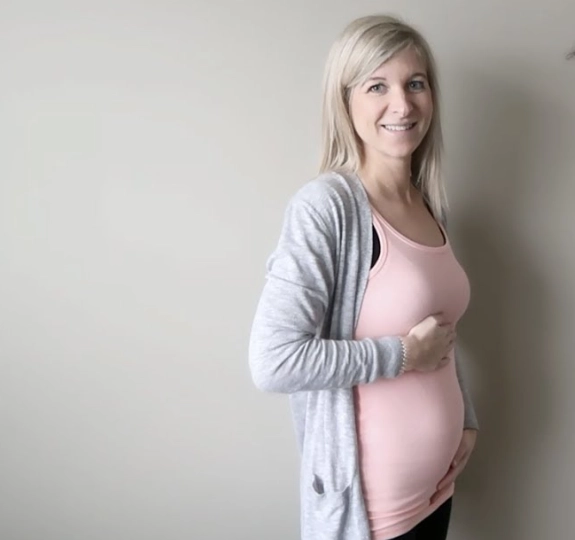
Your Prenatal Checkup: What to Expect
Your 12-week appointment is often a comprehensive one. Be prepared for:
- Weight & Blood Pressure Check: Establishing your baseline for the second trimester.
- Urine Sample: To check for protein (a sign of preeclampsia) and sugar (gestational diabetes screening comes later).
- Fetal Heartbeat: Often heard for the first time with a Doppler device. Don't panic if it takes a minute to find—the baby is still small and can be hiding!
- Discussion of Screening Tests: Your provider will explain the NT scan and first-trimester blood work options.
- Q&A Session: Come with a list of questions. No question is too silly. Ask about exercise, travel, sex, symptoms—anything on your mind.

Common Questions About Being 12 Weeks Pregnant
Looking Ahead: The Second Trimester
You're on the cusp of what many call the "honeymoon phase" of pregnancy. The fatigue and nausea often ease, the risk of miscarriage plummets, and you're not yet so large that moving is a chore. Over the next few weeks, your baby's 12 weeks pregnant baby size will double and then triple. You'll start to feel those first flutters of movement (an incredible milestone). Your 20-week anatomy scan will give you an even more detailed look at your growing baby.
My advice? Try to enjoy this phase. Start a pregnancy journal. Take a "bump" photo even if you think there's nothing to see (you'll appreciate it later). Research childbirth classes. And most importantly, connect with your healthcare team. The American College of Obstetricians and Gynecologists (ACOG) is a fantastic resource for evidence-based information on everything from nutrition to prenatal testing. For detailed week-by-week fetal development information, the Mayo Clinic offers reliable guides. And for public health guidelines and data, the Centers for Disease Control and Prevention (CDC) is an authoritative source.
Remember, every single number and measurement is a guideline. Your baby is an individual on their own unique growth curve. Focus on taking care of yourself, attending your appointments, and trusting the incredible process happening inside you. You've got this.
Reader Comments