Let's clear this up first. When you search "what is a fetus like at 1 month," you're probably picturing a tiny, recognizable baby. The reality is more astonishing, and honestly, a bit sci-fi. At one month pregnant, we're not technically talking about a "fetus" yet. Medicine uses precise terms. You're carrying an embryo. This distinction matters more than you think for understanding what's happening. Over four weeks, a single fertilized egg undergoes a frenzy of division and organization, laying the literal groundwork for every organ you have. It's the most critical and vulnerable period of human development.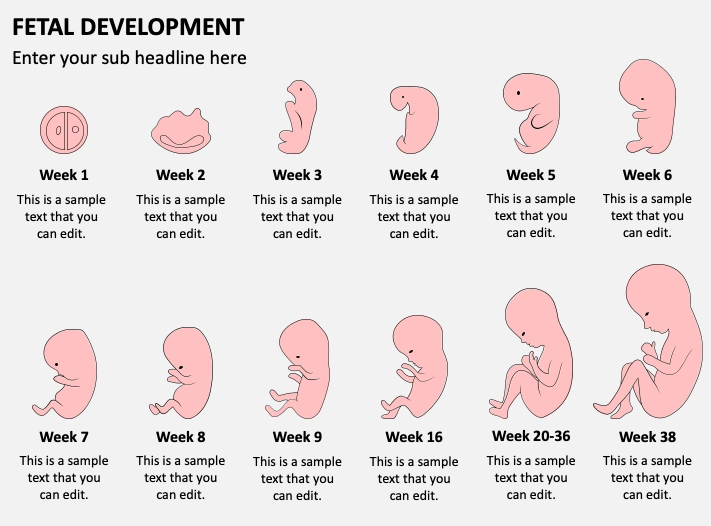
Most women don't even know they're pregnant at this stage. The "1 month" mark usually coincides with a missed period. So, what's actually going on inside? The embryo is microscopic, about the size of a poppy seed. But within that speck, the blueprint for a human being is being drafted at breakneck speed.
Your Quick Guide to the First Month
The First Big Confusion: How Pregnancy is Dated
This trips up everyone. Doctors don't date pregnancy from conception. They start from the first day of your last menstrual period (LMP). It sounds backwards, but it's a more reliable marker. So, "1 month pregnant" typically means you're around 4 weeks gestational age. Conception itself happened about two weeks ago.
Think of it like this: Your body spent the first two weeks of this "pregnancy" preparing the uterine lining and releasing an egg. The actual embryonic development kicks off after fertilization. When we discuss a 1-month fetus (embryo), we're focusing on those first two weeks post-conception, which lands you at week 4 of your pregnancy journey.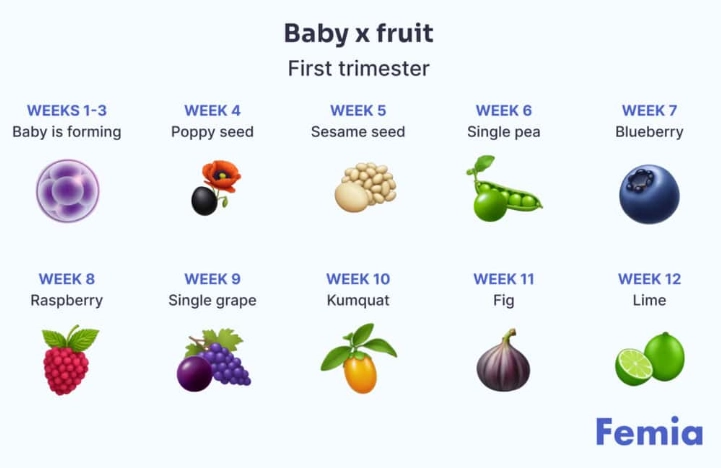
A Week-by-Week Breakdown of 1-Month Development
Let's zoom in. The transformation from a single cell to a structured embryo is nothing short of miraculous. Here’s what happens, week by embryonic week.
Week 3 & 4 Post-Conception (Your "Month 1")
This is when the magic—and the hard work—begins. The ball of cells, now called a blastocyst, finishes its journey down the fallopian tube and implants into the uterine wall. This implantation can cause light spotting, sometimes mistaken for a period.
Once snugly implanted, cells rapidly specialize. They split into three distinct layers:
- The Ectoderm: This outer layer will become the brain, spinal cord, nerves, skin, hair, and nails. The very foundation of the nervous system is laid now.
- The Mesoderm: The middle layer forms the heart, blood vessels, muscles, bones, and much of the reproductive system. Incredibly, the primitive heart tube begins to form and will start flickering by the end of this month.
- The Endoderm: The inner layer develops into the lungs, intestines, bladder, and other internal organs.
By the end of the fourth week (the one-month mark), the embryo doesn't look human, but it's organized. It's a c-shaped tube with a head and tail end. Key structures are beginning to bulge and fold into place.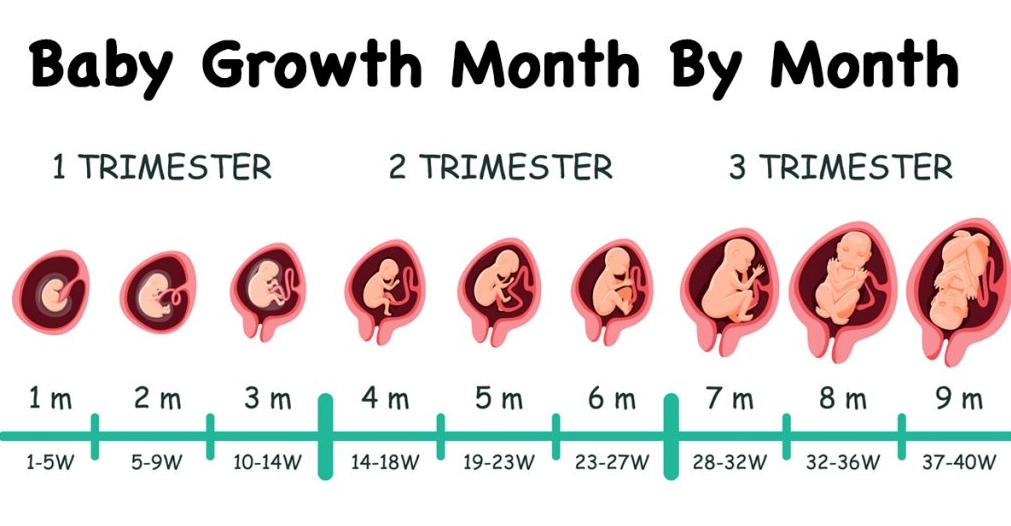
| Feature | Description at 1 Month (4 Weeks Gestational Age) |
|---|---|
| Size | Tiny, about 0.1 inches (2-3 mm) long. Smaller than a grain of rice. |
| Looks Like | A tadpole or a tiny seahorse. A curved, translucent tube with somites (blocks that become muscle). |
| Major Milestone | Neural tube closes (becomes brain/spine). Primitive heart tube forms and begins to beat. |
| Key Structures Forming | Amniotic sac, yolk sac, placenta begins to develop, arm and leg buds appear as tiny paddles. |
| What an Ultrasound Might Show | A small gestational sac in the uterus. The embryo itself may be visible as a tiny speck. The yolk sac is a key early landmark. |
The most critical event this month is neural tube closure. This tube, which becomes the brain and spinal cord, must seal properly. This is why folic acid is so crucial before and during early pregnancy—it significantly reduces the risk of neural tube defects like spina bifida. The Centers for Disease Control and Prevention (CDC) and other health authorities universally stress this.
What You Feel: Your Body's Early Signals
While the embryo is busy building, your body is shifting into pregnancy mode. The symptoms are caused by the surge of hormones, mainly human chorionic gonadotropin (hCG) and progesterone.
Here’s the unvarnished truth: some women feel nothing but a missed period. Others get hit hard. There's no "right" way. Common early signs include: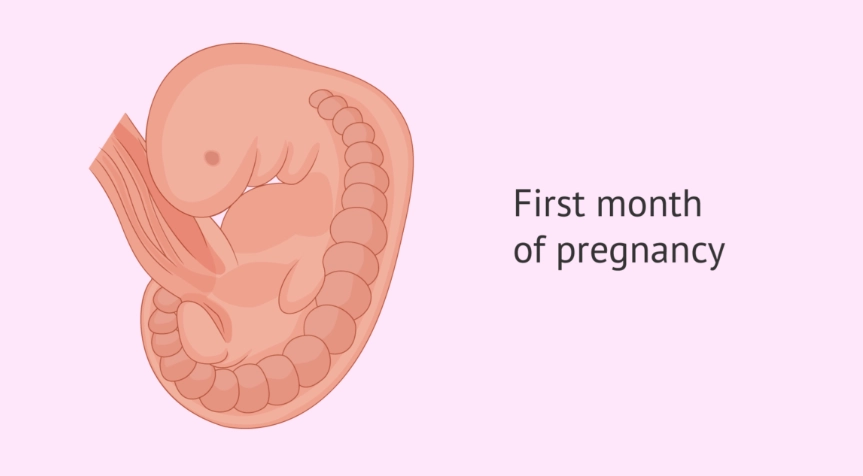
- Fatigue: Not just tired, but bone-deep, can't-keep-your-eyes-open exhaustion. Your body is using massive energy for construction.
- Breast Tenderness: They may feel full, sore, or tingly. This can start surprisingly early.
- Nausea: "Morning sickness" is a misnomer. It can strike any time. For some, it's just food aversions; for others, it's debilitating.
- Increased Urination: Hormones increase blood flow to your kidneys and pelvis.
- Mood Swings: The hormonal rollercoaster is real. One minute you're fine, the next you're crying at a commercial.
What It's NOT: Busting Common 1-Month Myths
Let's tackle misconceptions head-on. The internet is full of fuzzy images and wrong ideas.
Myth 1: You can hear the heartbeat at 1 month.
No. The primitive heart tube is pulsing, but it's not a formed heart with four chambers. A transvaginal ultrasound might detect cardiac activity around 5.5 to 6 weeks, not at 4. Don't panic if your early scan doesn't pick it up.
Myth 2: You have a visible "baby bump."
Any bloating is from hormones, not the embryo. Your uterus is still tucked deep inside your pelvis.
Myth 3: You can feel the fetus move.
Impossible. Those first flutters (quickening) happen around 16-22 weeks.
Myth 4: You can determine the sex.
Genetic sex is determined at fertilization, but the external genitalia haven't begun to differentiate. It's way too early for any test or scan to tell.
The biggest mistake I see expectant parents make? Comparing their early pregnancy—symptoms, scan results, everything—to someone else's. Development has a range of normal, especially this early.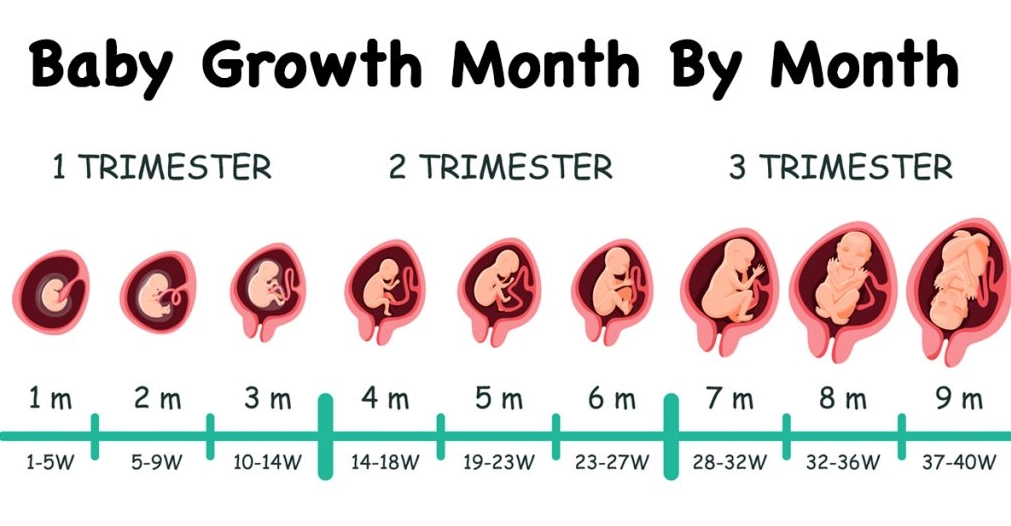
What You Should Do Right Now
If you suspect or know you're one month pregnant, action is more valuable than worry. Here’s your immediate checklist:
- Schedule a Prenatal Appointment: Call your OB-GYN or midwife. They might not see you until 8 weeks, but get on the calendar.
- Start or Continue Prenatal Vitamins: Ensure it has at least 400 mcg of folic acid. This is non-negotiable for preventing neural tube defects.
- Audit Your Habits: Stop alcohol, recreational drugs, and smoking. Limit caffeine. Be mindful of medications—check with your doctor about what's safe.
- Eat Mindfully: You don't need extra calories yet. Focus on nutrient-dense foods: leafy greens, lean protein, whole grains. If nausea is bad, eat small, bland snacks frequently.
- Avoid Specific Hazards: Steer clear of raw fish, unpasteurized dairy, deli meats (unless heated), and excessive mercury in fish. Also, avoid changing cat litter due to toxoplasmosis risk.
This is also the time for a mental shift. The embryo is incredibly vulnerable to teratogens (substances that cause birth defects) during this organ-forming period. What you do now has an outsized impact.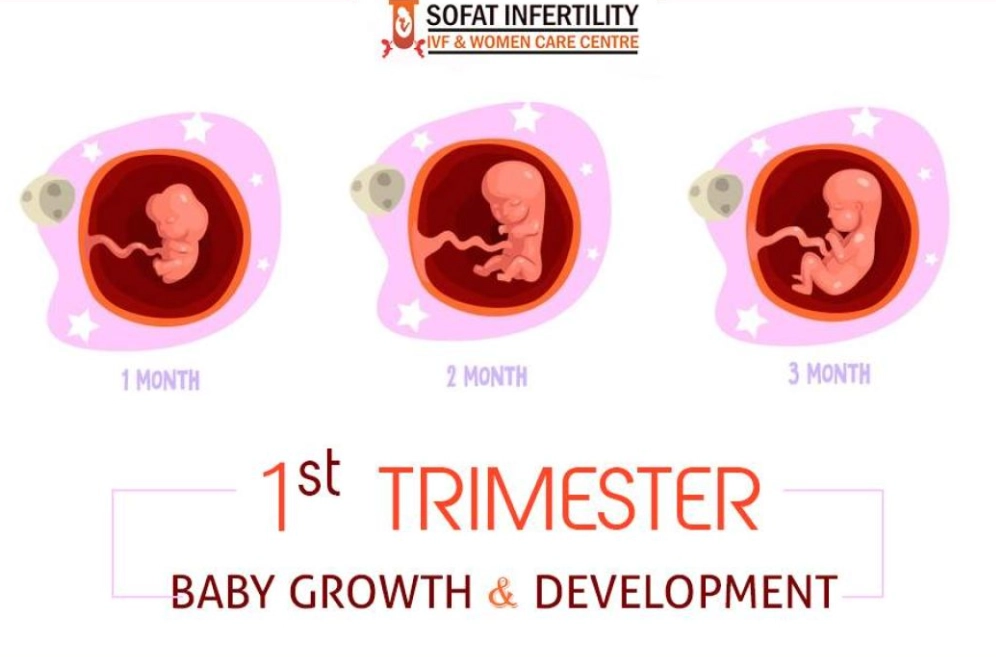
Your Questions, Answered by Experience
 I had some bleeding/spotting. Does this mean I'm miscarrying?
 So, what is a fetus like at 1 month? It's a masterpiece in its earliest, most abstract sketch phase. It's a poppy-seed-sized architect, laying down the plans for a brain, a heart, and a spine. You won't feel it, you might not even see it clearly yet, but the most complex project of your life is already underway. The focus now is on providing a safe, nourishing environment—through prenatal vitamins, healthy choices, and timely medical care—for that tiny, miraculous cluster of cells to become everything it's meant to be.
Reader Comments