You're in the home stretch. The third trimester brings a mix of excitement and very real physical demands. Your baby is packing on nearly half a pound a week, and your body is preparing for birth. What you eat now isn't just about sustenance; it's direct fuel for this final, critical growth phase. A smart 7 to 9 month pregnancy diet chart isn't a restrictive list—it's a flexible guide to give you both the energy and specific nutrients you desperately need.
I remember working with a client, Sarah, at 32 weeks. She was exhausted, swollen, and overwhelmed by conflicting advice online. Her generic "pregnancy diet" list had her eating loads of fruit but skimping on protein. We shifted her focus, and within two weeks, her energy improved. That's the power of a targeted approach.
What's Inside: Your Quick Navigation
- Why Your Third Trimester Diet is Different
- The Third Trimester Nutrient Checklist
- How to Build Your Third Trimester Plate
- 7 to 9 Month Pregnancy Diet: Sample Day & Meal Ideas
- Foods to Be Cautious With & What to Avoid
- Eating Through Common Third Trimester Issues
- Your Top Third Trimester Diet Questions
Why Your Third Trimester Diet Plan is Non-Negotiable
This isn't the time to coast. From weeks 28 to 40, your baby's brain is developing at its fastest rate. Their bones are hardening, and they're building crucial fat stores for temperature regulation after birth. For you, the right nutrition can directly impact some of the tougher symptoms.
Adequate protein helps maintain your muscle mass as your belly grows. Fiber and fluids are your best defense against the constipation that plagues so many. Iron prevents anemia that can leave you feeling utterly drained. And balancing your carbs can help manage energy swings and even support healthy blood pressure.
Think beyond weight gain. While steady gain is important (check with your provider for your target), the quality of the calories matters more now than ever. 300 extra calories a day doesn't mean a candy bar. It means an extra serving of Greek yogurt with berries or a hearty handful of almonds.
The 7-9 Month Nutrient Checklist: What to Focus On
Let's get specific. Here’s where your dietary attention should be. This table breaks down the "why" and the "where."
| Nutrient | Why It's Crucial Now | Top Food Sources |
|---|---|---|
| Protein | Builds baby's tissues, organs, and your uterine/breast tissue. Fights fatigue. | Lean chicken, fish, eggs, lentils, tofu, Greek yogurt, cottage cheese, nuts. |
| Iron | Supports increased blood volume. Prevents anemia and fatigue. | Lean red meat, spinach, lentils, fortified cereals, beans. Pair with Vitamin C (bell peppers, citrus) for better absorption. |
| Calcium & Vitamin D | Final mineralization of baby's skeleton. Preserves your bone density. | Milk, yogurt, cheese, fortified plant milks, sardines, leafy greens (calcium). Sunlight, fatty fish, fortified foods (Vitamin D). |
| DHA (an Omega-3 Fat) | Critical for baby's brain and eye development. | Salmon, sardines, trout, walnuts, chia seeds, DHA-fortified eggs. |
| Fiber | Combats constipation, helps manage blood sugar, promotes fullness. | Whole grains (oats, quinoa), fruits with skin, vegetables, beans, lentils. |
| Magnesium | May help with leg cramps, supports muscle and nerve function. | Spinach, almonds, black beans, avocado, bananas, whole grains. |
A common mistake? Seeing this list and trying to force-feed yourself spinach and liver every day. It's about consistent inclusion, not perfection at every meal.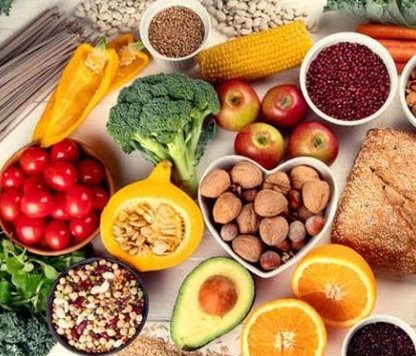
How to Build Your Third Trimester Plate: A Practical Guide
Forget complicated rules. Use this visual every time you sit down to eat.
The Plate Method, Adapted for Pregnancy
Half your plate: Colorful vegetables and some fruit. The variety gives you vitamins, antioxidants, and that all-important fiber. Think roasted sweet potatoes, a big salad, steamed broccoli, or sliced mango.
One quarter of your plate: Quality protein. This is the section most women underfill. Aim for a palm-sized portion. Grilled chicken, baked salmon, a couple of eggs, or a hearty scoop of lentil curry.
One quarter of your plate: Whole-grain or starchy carbs. This is your energy source. Brown rice, quinoa, whole-wheat pasta, or a whole-grain roll. This helps keep your energy stable.
On the side: A source of healthy fat and calcium. A drizzle of olive oil on your veggies, a slice of avocado, a small handful of nuts, or a glass of milk.
And drink water throughout the day. Dehydration can fake contractions (Braxton Hicks) and worsen constipation.
7 to 9 Month Pregnancy Diet: A Sample Day & Meal Ideas
Let's make this real. Here’s what a day might look like. This is a template—swap items based on preference, cravings, and what you have on hand.
Breakfast (within an hour of waking): Scrambled eggs with spinach and diced tomatoes, served with 1 slice of whole-grain toast. A small orange on the side.
Why it works: Protein + iron from eggs and spinach, fiber and vitamins from the veg and toast, Vitamin C from the orange to boost iron absorption.
Mid-Morning Snack: A cup of plain Greek yogurt with a handful of berries and a sprinkle of chia seeds.
Why it works: Calcium, protein, probiotics, fiber, and omega-3s.
Lunch: Large salad with mixed greens, grilled chicken strips, chickpeas, cucumber, bell peppers, and avocado. Dress with olive oil and lemon juice. A whole-grain roll on the side.
Why it works: Packed with protein, fiber, healthy fats, and a rainbow of nutrients.
Afternoon Snack: Apple slices with a tablespoon of almond butter.
Why it works: Fiber, healthy fat, and a bit of protein to beat the 3 PM slump.
Dinner: Baked salmon with a lemon-dill sauce, a serving of quinoa, and roasted asparagus and carrots.
Why it works: Excellent source of DHA and protein from salmon, complete protein and fiber from quinoa, vitamins from the veggies.
Evening Snack (if hungry): A warm glass of milk or a small bowl of cottage cheese with peach slices.
Heads up on fish: While salmon is a great choice, be mindful of high-mercury fish to avoid. The U.S. Food and Drug Administration (FDA) recommends avoiding shark, swordfish, king mackerel, and tilefish. Canned light tuna is generally safer than albacore. Stick to 2-3 servings (8-12 oz total) of low-mercury fish like salmon, shrimp, pollock, and catfish per week.
Foods to Be Cautious With & What to Avoid Entirely
This isn't about fear, it's about smart risk management.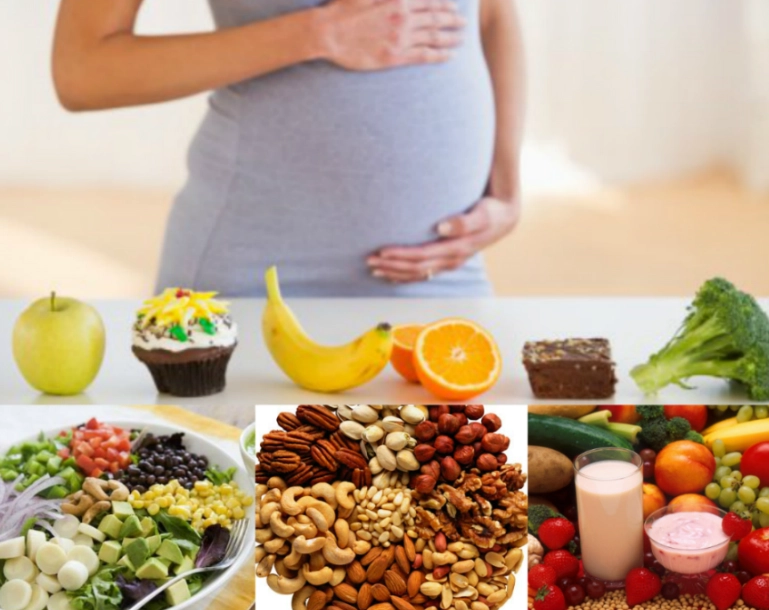
Limit:
- Highly processed foods: They're often high in sodium (worsening swelling), low in nutrients, and can cause energy crashes.
- Excessive caffeine: Most guidelines, like those from the American College of Obstetricians and Gynecologists, suggest keeping it under 200mg per day (about one 12-oz coffee).
- Refined sugars and sweets: They spike blood sugar and offer empty calories. Satisfy a sweet tooth with fruit or yogurt first.
Avoid Completely:
- Unpasteurized (raw) milk and soft cheeses (like brie, feta, queso fresco) unless labeled "made with pasteurized milk." Risk of Listeria.
- Raw or undercooked meat, eggs, and seafood (sushi, rare steak, runny eggs). Risk of Salmonella and Toxoplasma.
- Raw sprouts. They can harbor bacteria.
- Alcohol. There is no known safe amount during pregnancy.
Eating Through Common Third Trimester Issues
The best diet chart in the world is useless if you can't eat. Let's troubleshoot.
If you have... Heartburn or Acid Reflux
Eat smaller, more frequent meals. Avoid lying down right after eating. Skip spicy, greasy, and acidic foods (like tomatoes or citrus) if they trigger you. Try oatmeal, bananas, and yogurt which can be soothing.
If you have... No Appetite or Fullness Quickly
This is super common as baby crowds your stomach. Go for nutrient-dense, calorie-rich small bites. Nuts, cheese cubes, avocado on crackers, smoothies, and nut butters are your friends. Drink fluids between meals, not with them, to save stomach space for food.
If you have... Swelling (Edema)
Cut back on restaurant food, canned soups, and processed snacks—they're sodium bombs. Focus on potassium-rich foods (bananas, sweet potatoes, spinach, beans) which help balance sodium. And keep drinking water! It sounds counterintuitive, but dehydration makes your body hold onto fluid.
If you have... Constipation
The triple threat: Fiber + Fluids + Movement. Up your fiber gradually with fruits, veggies, and whole grains. Prunes and prune juice are classic remedies for a reason. Drink a big glass of warm water first thing in the morning. A short walk can also get things moving.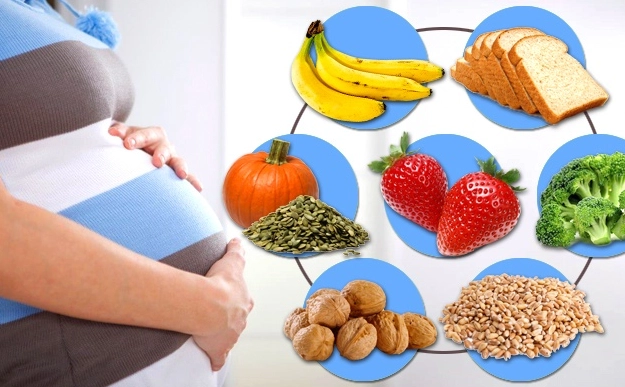
Your Top Third Trimester Diet Questions
The final trimester is a marathon, not a sprint. Your 7 to 9 month pregnancy diet chart is less about strict rules and more about consistent, smart choices that support the incredible work your body is doing. Focus on protein, iron, and healthy fats. Drink your water. Eat small and often when you need to. And always, always partner this information with the guidance of your healthcare provider. You've got this.
Reader Comments