What You'll Learn in This Guide
You've probably heard the term "helicopter parent." It conjures an image of a mom or dad constantly hovering, ready to swoop in at the first sign of trouble. But here's the thing most articles miss: helicopter parenting isn't a single, monolithic style. It's a spectrum of over-involvement, and understanding the specific type you or someone you know might be practicing is the first step toward change. As someone who's worked with families for over a decade, I've seen well-intentioned love morph into patterns that quietly undermine a child's confidence. This guide breaks down the distinct types of helicopter parenting, their unique pitfalls, and—most importantly—actionable strategies to foster resilience instead of dependence.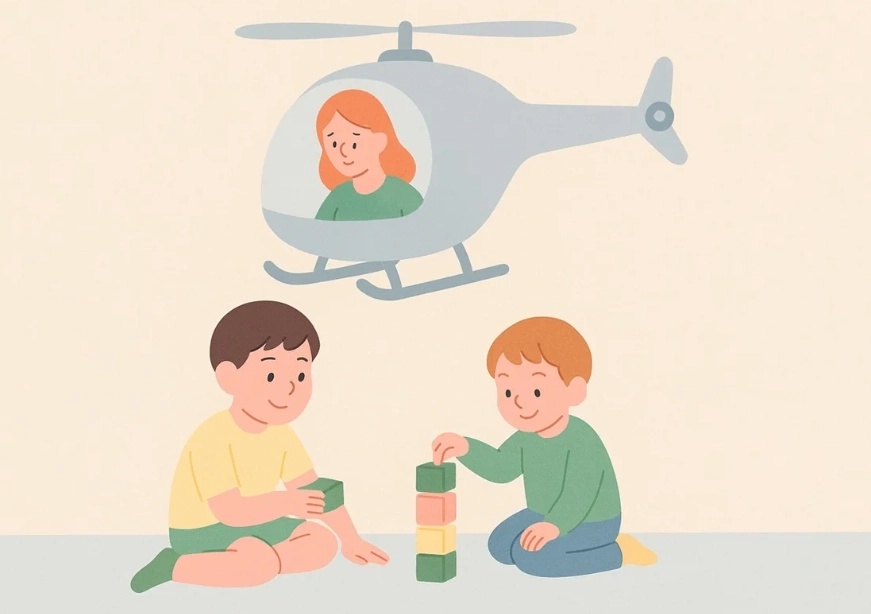
What Helicopter Parenting Really Looks Like Today
The core of helicopter parenting is high responsiveness with low demands. You're incredibly attuned to your child's needs and problems, but you set few boundaries and rarely let them experience natural consequences. It's driven by love, fear (of failure, of them getting hurt, of them falling behind), and in our hyper-competitive world, a pervasive anxiety that one wrong step will ruin their future.
It often starts small. Emailing a teacher about a B+ grade. Negotiating with a coach for more playtime. Then it escalates: calling a college roommate to resolve a conflict, or even showing up at a young adult's job interview. The line between supportive advocacy and intrusive management gets blurry.
What Are the 4 Main Types of Helicopter Parenting?
Labeling them helps us see our own blind spots. These aren't always pure categories—parents can flip between them—but each has a defining flavor.
1. The Lawnmower (or Snowplow) Parent
This parent doesn't just hover; they actively clear the path ahead, removing any obstacle before the child even encounters it. The goal is a smooth, friction-free journey to success.
Typical Behaviors: Calling other parents to arrange playdates instead of letting the child ask. Complaining to the school board to change a curriculum they deem "too stressful." Securing an internship for their teenager through their own network without the teen lifting a finger. I once knew a parent who, upon hearing their middle-schooler had a group project with a "slacker" kid, emailed the teacher to request a different group. They mowed down the chance for their child to learn team dynamics and conflict resolution.
2. The Black Hawk Parent
Named after the military helicopter, this type is characterized by aggressive, intimidating involvement. They don't request; they demand. Their hovering is loud and confrontational.
Typical Behaviors: Berating a referee at a youth sports game. Threatening legal action over minor school disputes. Publicly shaming a teacher or coach on social media. This style doesn't just shelter the child; it teaches them that aggression is the tool for getting what you want. The child often looks embarrassed, not empowered.
3. The Rescue Helicopter Parent
This is the classic swooper. They allow the child to face the initial challenge, but at the first sign of struggle, tears, or potential failure, they descend to fix it. The child never learns how to sit with frustration or develop their own problem-solving toolkit.
Typical Behaviors: Rushing to school with a forgotten lunch or homework every time. Stepping in to finish a science fair project the night before it's due because it's "not good enough." Immediately intervening in a squabble between siblings instead of letting them work it out. The subtle message: "You can't handle this without me."
4. The Traffic & Weather Monitor Parent
This is a more passive, tech-enabled form of hovering. Constant surveillance and commentary replace direct intervention. With life360, school portal logins, and digital communication, this type has never been easier.
Typical Behaviors: Texting a college student constantly ("Did you eat?" "What did you get on that quiz?" "Who are you with?"). Monitoring grades in real-time and commenting on every dip. Using location apps not for safety, but to track a teenager's every move and question their choices. It creates a background hum of anxiety and the feeling of being constantly watched, which can be just as stifling as direct control.
| Type of Helicopter Parent | Core Motive | Immediate Child Reaction | Common Parent Justification |
|---|---|---|---|
| Lawnmower Parent | To ensure success and remove hardship | Relief, passivity | "I'm just giving them a head start." |
| Black Hawk Parent | To control outcomes through intimidation | Embarrassment, anxiety | "I'm standing up for my child!" |
| Rescue Helicopter Parent | To alleviate child's (and own) distress | Learned helplessness | "I can't stand to see them struggle." |
| Monitor Parent | To manage anxiety through information | Feeling surveilled, resentment | "I'm just staying involved and concerned." |
The Long-Term Effects You Might Not See Coming
The short-term payoff is seductive: a solved problem, a happy child, averted tears. But the long-term bill comes due in adolescence and early adulthood. Research, including studies cited by the American Psychological Association on anxiety, consistently links overparenting to:
- Heightened Anxiety and Depression: Kids internalize the message that the world is too dangerous or difficult for them to handle. They don't develop coping skills, leading to overwhelm when you're not there to buffer reality.

- Lowered Self-Efficacy: This is the belief in one's own ability to succeed. If you've never tied your own shoes, failed a test, or resolved a friend conflict, you have no evidence that you can. These kids often suffer from "imposter syndrome" later.
- Poor Executive Functioning: Skills like planning, time management, and task initiation are muscles that need exercise. When parents are the external brain, those muscles atrophy.
- Entitlement and Lack of Resilience: When every obstacle is removed, kids expect life to be easy. The first real failure—a fired job, a broken relationship—can be catastrophic because they have no framework for bouncing back.
The biggest irony? The very future parents are trying to secure—a happy, successful, independent adult—is put at risk by the methods used to achieve it.
How to Stop Hovering: A Practical Action Plan
Shifting away from helicopter parenting isn't about neglect; it's about changing your role from manager or bodyguard to consultant and coach. It's messy and uncomfortable at first. Here's where to start.
Step 1: Identify Your Triggers and "Rescue" Zones
Get specific. What situations make your hand twitch toward your phone or your feet move to intervene? Is it academic struggles? Social dynamics? Physical tasks? Write down your top three. For many, it's schoolwork and social conflict. Awareness is the non-negotiable first step.
Step 2: Practice the "Wait 5" Rule and Ask a Better Question
When the urge to swoop hits, force a 5-minute pause. Breathe. Then, instead of solving the problem, ask a problem-solving question.
- Instead of emailing the teacher about a poor grade, ask your child: "What's your plan to understand what went wrong here?"
- Instead of fixing a broken toy, ask: "What tools do you think we might need to try and repair this?"
- Instead of dictating a solution to a friend argument, ask: "What are some different ways you could handle this?"
You're transferring the cognitive load back to them.
Step 3: Design a "Letting Go" Graduation Plan
You can't go from total control to total freedom overnight. Create age-appropriate domains of responsibility and consciously hand them over. Use a calendar reminder if you have to.
For a 10-year-old: They are now solely responsible for packing their own school bag and remembering their own sports equipment. If they forget, they face the natural consequence at school or practice. You don't deliver it.
For a 15-year-old: They manage their own homework schedule and initiate contact with teachers for clarification. Your job is to ask if they need help structuring their time, not to track assignments.
For an 18-year-old: They handle their own laundry, make their own doctor appointments, and manage a budget for their personal expenses. You become a resource, not a secretary.
Step 4: Redefine Your Success Metric
Shift your focus from your child's performance (grades, wins, accolades) to their process (effort, problem-solving, perseverance). Praise the strategy, not just the outcome. "I saw how you broke that big project into smaller steps—that was smart." This builds intrinsic motivation and resilience.
This is hard work. You'll feel like you're failing. That's normal. The goal isn't perfection; it's progress toward a child who can look you in the eye at 25 and say, "I've got this," and you truly believe them.
Your Top Questions on Helicopter Parenting Answered
How can I tell if I'm a 'lawnmower parent' versus just being supportive?
My child is already a teenager and seems anxious and unmotivated. Is it too late to change my approach?
What's the difference between authoritative parenting and helicopter parenting? They both seem involved.
My co-parent is a major helicopter, and I disagree. How do we get on the same page?
Reader Comments