What You’ll Find in This Guide
Ask any group of parents, and you'll get a dozen different answers. That's because pregnancy isn't a single, uniform experience. It's a marathon with shifting terrains, and the hardest part of pregnancy for one person might be a mere blip for another. For me, it was the sheer, unrelenting exhaustion in the first trimester. I'd drag myself through work and be asleep on the couch by 7 PM, feeling guilty for not being "productive." My friend, on the other hand, sailed through the fatigue but was completely blindsided by the intensity of her hip pain in the third trimester.
So, what is the hardest part of pregnancy, truly? It's rarely one thing. It's often a cocktail of physical demands, emotional rollercoasters, and logistical headaches that compound each other. This isn't about scaring anyone—it's about naming the challenges so they feel less isolating and more manageable. Knowledge, in this case, is a powerful form of preparation.
Think of this as a no-filter guide. We're going beyond the glossy brochures to talk about the stuff that actually keeps you up at night (and not just because you can't find a comfortable sleeping position).
The Physical Gauntlet: Where Your Body Takes the Wheel
Let's start with the obvious. Your body is performing a biological miracle, and it demands payment upfront. The symptoms can feel like a revolving door of discomforts.
The First Trimester: Survival Mode
You look the same on the outside, but inside, it's chaos. For many, the hardest part of pregnancy begins right here.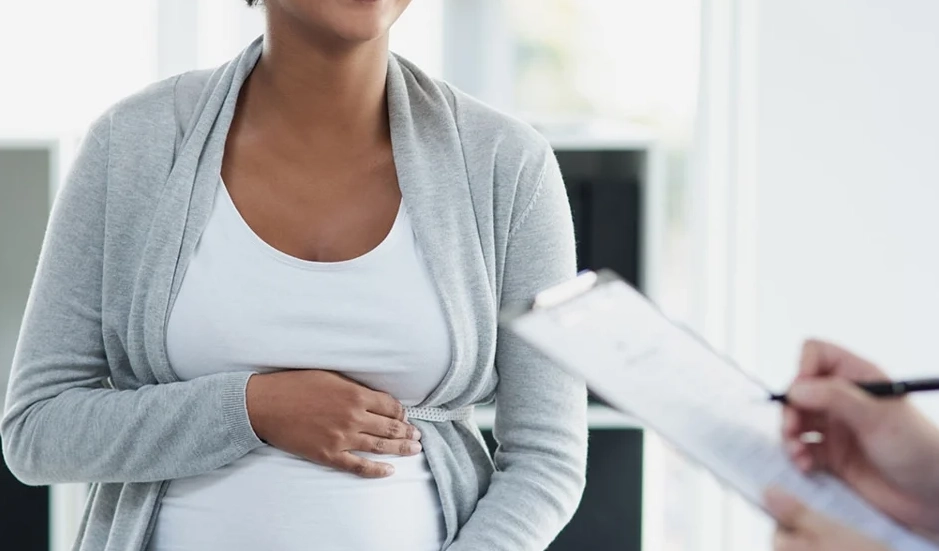
Fatigue That Defies Logic: This isn't "I need a nap" tired. This is a deep, cellular exhaustion that makes climbing a flight of stairs feel like a summit expedition. Your body is building a placenta and flooding you with progesterone, a hormone that acts as a natural sedative. There's no fighting it. I remember staring at my computer screen, my brain feeling like it was full of static. The best advice? Surrender. Sleep when you can. Let the dishes pile up. This phase is temporary.
Nausea and Vomiting (AKA "Morning" Sickness, the Biggest Misnomer): It can strike at any hour. For some, it's a persistent queasiness. For others, it's debilitating vomiting (a condition called hyperemesis gravidarum). It can make the simple act of eating or smelling certain foods a nightmare. The American College of Obstetricians and Gynecologists (ACOG) has excellent resources on managing this, which was a lifeline for me when crackers and ginger ale weren't cutting it. You can find their guide on nausea and vomiting of pregnancy here.
The mental toll here is huge. You're supposed to be "eating for two," but the thought of food makes you gag. It creates a weird, stressful paradox.
The Second & Third Trimesters: The Shifting Landscape
As the baby grows, the challenges evolve. Energy might return, but new guests arrive at the party.
Pain and Aches: Back pain, round ligament pain (sharp, shooting pains in your lower abdomen), pelvic girdle pain, sciatica. Your ligaments are loosening, your center of gravity is shifting, and your joints are under new stress. A supportive belly band and prenatal yoga can be game-changers, but some days, it just hurts.
The Great Sleep Disappearance Act: Finding a comfortable position becomes a nightly puzzle. Heartburn, leg cramps, a baby practicing karate at 3 AM, and the incessant need to pee make uninterrupted sleep a distant memory. This chronic sleep deprivation is a brutal form of torture that prepares you for newborn life, I guess.
Braxton Hicks & Physical Heft: Those "practice" contractions can be unnerving. And simply moving your now-significantly heavier body can be exhausting. Bending over to tie your shoes? A major operation.
Here’s a quick look at how these physical challenges often stack up:
| Trimester | Common Physical Challenges | Why It's Tough |
|---|---|---|
| First | Extreme fatigue, nausea/vomiting, breast tenderness, food aversions | You often don't "look" pregnant, so the severity is invisible to others. It's a silent, exhausting struggle. |
| Second | Back/pelvic pain, heartburn, congestion, visible body changes | The "honeymoon" phase for some, but for others, the physical discomfort begins in earnest as the baby grows. |
| Third | Severe sleep disruption, shortness of breath, swelling, Braxton Hicks, overall physical immobility | The sheer physical burden is at its peak. Simple tasks become daunting, and the wait for labor begins. |
When people ask what is the hardest part of pregnancy physically, the answer is usually a combination of these, with one taking the lead role. For me, the first-trimester fatigue was the absolute winner (or loser). It stole my sense of self for a few months.
The Mental and Emotional Marathon
Honestly? This is where the real battle is often fought. The physical stuff is hard, but predictable in a way. The emotional landscape is wilder.
Pregnancy feels like you're hosting the most important guest ever, but you've lost the blueprint to your own house.
Anxiety and the "What-Ifs"
From the moment you see the positive test, a low hum of anxiety can set in. Is the baby okay? Did that lunch meat I ate two weeks ago cause harm? Why hasn't the baby kicked today? The worry can be all-consuming. You're responsible for this tiny life, and the lack of control is terrifying. Checking the CDC's guidelines on healthy pregnancies helped me feel more in control, but the nagging thoughts were always there.
Body Image and Loss of Autonomy
Watching your body change at a rapid, unstoppable pace is a mind trip. Stretch marks, weight gain, swelling—it can be beautiful and alienating all at once. Society has a lot to say about pregnant bodies, and none of it is helpful. Plus, suddenly your body feels public property. Strangers touch your belly, comment on your size, and offer unsolicited advice. It can feel like you're no longer a person, just a vessel.
That loss of ownership over your own form? Yeah, that's hard.
The Pressure of Preparation and Decision Fatigue
The to-do list is endless. Set up the nursery, choose a car seat (a surprisingly stressful research project), decide on a birth plan, pick a pediatrician, take childbirth classes. The decisions are constant and they all feel high-stakes. It's easy to get overwhelmed by the sheer volume of "preparing" you're supposed to do.
Prenatal Depression and Anxiety
This is critical. We talk about postpartum, but the hormonal shifts during pregnancy can also trigger significant mental health challenges. Feeling persistently sad, hopeless, or panicked isn't a normal part of pregnancy—it's a sign to seek help. The World Health Organization emphasizes the global importance of maternal mental health, highlighting it's as crucial as physical health. Ignoring these feelings is dangerous.
So, when considering what is the hardest part of pregnancy, the mental load is a top contender for many. The physical symptoms eventually fade, but the anxiety and emotional processing can leave a longer shadow.
The Logistical and Relational Hurdles
Pregnancy doesn't happen in a vacuum. It crashes into your job, your relationships, and your bank account.
Workplace Navigation
When do you tell your boss? How do you manage appointments? What if your job is physically demanding? Will you be judged or passed over for opportunities? Maternity leave policies in many places are, frankly, inadequate. Figuring out the finances and logistics of leave is a massive source of stress.
Relationship Dynamics
Your partner may be wonderfully supportive, but they can't fully *feel* what you're feeling. That can lead to isolation and resentment. Intimacy changes. Friends without kids might not get it. Family members may overstep with opinions. It tests even the strongest relationships.
A piece of advice I wish I'd taken: Have the hard conversations about parenting styles, division of labor, and visitor boundaries *before* the baby comes. Sleep deprivation later makes those talks much harder.
The Financial Weight
From prenatal vitamins and maternity clothes to the staggering cost of delivery and baby gear, it adds up fast. The financial pressure can be a constant, low-grade stressor that amplifies everything else.
You see, the hardest part of pregnancy is rarely just the heartburn or the backache. It's the backache *while* you're anxious about your amniocentesis results *and* trying to figure out how you'll afford your deductible. It's the layers.
So, What Actually Helps? A Toolkit, Not a Cure.
Knowing the challenges is one thing. Getting through them is another. Here's what I found useful, and what experts recommend.
Build Your Support Squad: This is non-negotiable. Find your people—a partner, a friend, a family member, an online community of due-date buddies. Someone you can be brutally honest with about the not-so-glamorous parts. Don't suffer in silence.
Communicate with Your Provider: Don't downplay your symptoms. Is the nausea debilitating? Is the anxiety paralyzing? Tell them. There are more interventions and supports available than you might think. Resources like the Mayo Clinic's pregnancy guides are great, but your care team is for *you*.
Embrace Strategic Surrender: You cannot do it all. Lower your standards. Order takeout. Hire a cleaner for one session if you can. Let your partner load the dishwasher "wrong." Conserve your energy for what truly matters.
Focus on Mini-Managements: You can't cure pregnancy, but you can manage specific symptoms. Heartburn? Eat smaller meals. Back pain? See a prenatal physiotherapist. Insomnia? Try a pregnancy pillow (a giant U-shaped one was my savior) and unisom (after checking with your doc). Tackle it one issue at a time.
Mental Health is Health: If you're struggling, talk to a therapist who specializes in perinatal mental health. It's a sign of strength, not weakness. It was the best investment I made during my second pregnancy.
Frequently Asked Questions (The Stuff You're Actually Typing Into Google)
At the end of the day, asking what is the hardest part of pregnancy is like asking what's the hardest part of a marathon. Is it mile 3, mile 20, or the wall you hit at mile 16? It depends on the runner, the day, and the course. Your job isn't to have the "easiest" pregnancy. Your job is to get through it, supported and informed, one day—or one hour—at a time. And to remember that the hard parts, as all-consuming as they feel, are chapters in a much larger story. They end. The reward, however cliché it sounds, really does change everything.
Just remember, you're stronger than you think. Even on the days you feel anything but.
Reader Comments