Let's cut to the chase: figuring out what medicines are safe during pregnancy is confusing and scary. You get a headache, a cold, or heartburn, and suddenly that over-the-counter bottle looks like a risky gamble. I've been there—through two pregnancies filled with aches and worries. This guide isn't just another generic list; it's a practical, expert-backed pregnancy medicine list to help you make informed decisions without the panic.
Jump to What Matters Most
Why a Pregnancy Medicine List is Crucial
During pregnancy, everything changes—your body, your hormones, and how medications affect you and your baby. The placenta isn't a perfect filter; some drugs can cross over and impact fetal development. That's why having a reliable pregnancy medicine list isn't just helpful; it's essential for avoiding birth defects or complications.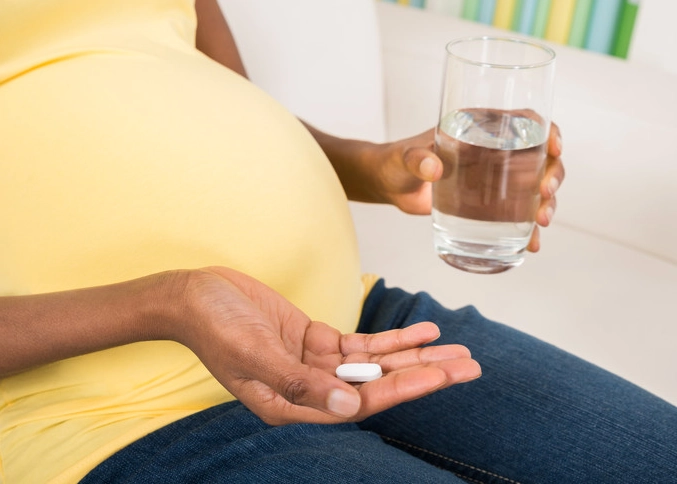
I remember my first trimester with my daughter. I had a pounding migraine and grabbed ibuprofen without a second thought. Big mistake. My obstetrician later explained that NSAIDs like ibuprofen can reduce amniotic fluid or cause heart issues in the baby later in pregnancy. It's these subtle risks that many online resources gloss over.
The Risks of Self-Medication
Self-medicating during pregnancy is like playing Russian roulette. You might think, "It's just a Tylenol," but even acetaminophen has debates around excessive use linked to ADHD risks (though it's generally safe in moderation). The American College of Obstetricians and Gynecologists (ACOG) stresses that any medication should be discussed with a healthcare provider, especially in the first trimester when organs are forming.
How Medications Affect Fetal Development
Drugs can interfere with critical stages. For example, isotretinoin for acne is a known teratogen that causes severe birth defects. But lesser-known ones? Some antidepressants or antibiotics might need dosage adjustments. That's why a tailored pregnancy medicine list beats a one-size-fits-all approach.
Safe Medications During Pregnancy: A Category-by-Category Guide
Here's a breakdown of common issues and medications considered safe, based on guidelines from sources like the CDC and ACOG. Remember, "safe" often means "low risk when used as directed"—always confirm with your doctor.
| Category | Safe Medications (Generic Names) | Common Uses | Notes |
|---|---|---|---|
| Pain Relievers | Acetaminophen | Headaches, fever, mild pain | Avoid exceeding 3,000 mg per day; linked to liver issues if overused. |
| Allergy and Cold | Loratadine, Cetirizine | Seasonal allergies, runny nose | Antihistamines like diphenhydramine can cause drowsiness—use cautiously. |
| Gastrointestinal | Calcium carbonate, Famotidine | Heartburn, indigestion | Antacids with aluminum or magnesium are okay short-term; avoid sodium bicarbonate. |
| Constipation | Psyllium fiber, Docusate | Relief from constipation | Stool softeners are preferred over stimulant laxatives. |
| Infections | Penicillin, Amoxicillin | Bacterial infections | Some antibiotics like tetracycline are unsafe; always get a prescription. |
Pain Relievers: What Works and What Doesn't
Acetaminophen (like Tylenol) is the go-to for pain and fever. But here's a non-consensus point: many moms avoid it entirely due to scary headlines, but the key is moderation. For inflammation, like back pain, topical creams with menthol might help, but oral NSAIDs (ibuprofen, naproxen) are generally avoided, especially after 20 weeks.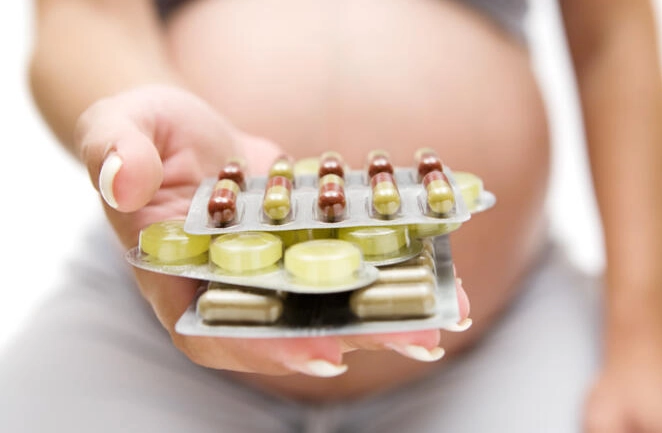
Dealing with Allergies and Colds
Pregnancy rhinitis is real—your nose gets stuffy even without allergies. Loratadine (Claritin) or cetirizine (Zyrtec) are often recommended. I found that saline nasal sprays worked wonders without any meds. Decongestants like pseudoephedrine? They're controversial due to potential blood flow issues; best skipped in the first trimester.
Gastrointestinal Issues: From Heartburn to Constipation
Heartburn hits hard as the baby grows. Calcium carbonate (Tums) is safe and provides extra calcium. For persistent cases, famotidine (Pepcid) is an option. Constipation? Increase fiber and water first; psyllium (Metamucil) is gentle. I learned the hard way that iron supplements can worsen this—ask about slow-release versions.
Medications to Avoid Completely
Some drugs are a firm no during pregnancy. This isn't just about prescription meds; over-the-counter ones can be risky too.
- Isotretinoin (Accutane): For acne, but causes severe birth defects like heart and brain abnormalities.
- Warfarin: A blood thinner that can lead to fetal bleeding or developmental issues.
- Certain antibiotics: Tetracycline and doxycycline can discolor baby's teeth and affect bone growth.
- High-dose aspirin: Low-dose might be prescribed for conditions like preeclampsia, but high doses increase bleeding risks.
- Herbal supplements: Like black cohosh or pennyroyal—they're unregulated and can trigger contractions.
A common mistake? Assuming "natural" means safe. Herbal teas or supplements often lack pregnancy safety data. I once tried ginger supplements for nausea without checking, and my doctor warned about potential blood-thinning effects.
How to Use This List: Practical Tips from an Experienced Mom
As a mom of two, I've navigated this maze. Here's what most guides don't tell you.
First, create a personal pregnancy medicine list with your doctor. At your first prenatal visit, bring all your current medications—even vitamins. My OB had me switch from a regular multivitamin to a prenatal one with folic acid, which is crucial for neural tube development.
Second, track symptoms before reaching for meds. For morning sickness, I found that small, frequent meals and vitamin B6 worked better than drugs. For headaches, sometimes dehydration was the culprit; drinking water and resting solved it.
Third, use technology wisely. Apps like Mommy Meds or resources from the Organization of Teratology Information Specialists (OTIS) offer up-to-date info. But don't rely solely on them—they're tools, not replacements for medical advice.
Finally, communicate openly. If you're struggling with anxiety or depression, don't avoid antidepressants out of fear. Some, like sertraline, are considered safer options. My friend stayed off her meds and suffered; later, her psychiatrist tailored a pregnancy-safe plan that helped immensely.
When to See a Doctor: Red Flags and Emergency Situations
Don't hesitate to call your healthcare provider if:
- You have a fever over 100.4°F (38°C) that doesn't respond to acetaminophen.
- You experience severe pain, especially abdominal pain with bleeding.
- You develop a rash or allergic reaction after taking a medication.
- Your symptoms worsen or don't improve after a few days of safe medication use.
In emergencies, like suspected preterm labor or severe vomiting (hyperemesis gravidarum), seek immediate care. I delayed once with dizziness, and it turned out to be low iron levels—easily fixed with supplements but risky if ignored.
Frequently Asked Questions (FAQ)
Navigating pregnancy medications doesn't have to be a nightmare. Use this pregnancy medicine list as a starting point, but personalize it with your healthcare team. Your health and your baby's well-being are worth that extra conversation. Stay informed, stay safe, and trust your instincts—you've got this.
Reader Comments