Let's be honest. The first year with a baby feels like you're trying to assemble IKEA furniture without the manual, while someone is gently (or not so gently) crying in the background. You know the pieces are there—sleep, feeding, diapers, safety—but how do they all fit together without losing your sanity? That's where a solid parenting tips for babies checklist comes in. It's not about being perfect; it's about having a map so you don't feel lost every single day.
This guide is that map. I've put together a comprehensive, phase-by-phase checklist based on my own chaotic-yet-wonderful journey with two kids and countless conversations with pediatricians and fellow sleep-deprived parents. We'll move beyond generic advice into actionable steps you can tick off. Think of it as your first-year survival guide, covering everything from setting up the nursery to handling those first wobbly steps.
What's Inside This Ultimate Guide?
The Newborn Phase: The 0-3 Month Survival Checklist
This period is pure triage. Your goal isn't to thrive; it's to get through the day with everyone fed and relatively clean. Forget elaborate schedules. Your checklist here is about mastering the fundamentals and creating a safe nest.
The "Can't Function Without" Gear & Setup
Before you even bring baby home, having these basics checked off reduces first-week panic. I made the mistake of not having a comfortable feeding station, and my back paid for it for months.
- A Safe Sleep Space: A firm crib or bassinet mattress with a fitted sheet. No pillows, blankets, bumpers, or stuffed animals. The American Academy of Pediatrics (AAP) is adamant about this to reduce SIDS risk.
- Feeding Station Comfort: Whether nursing or bottle-feeding, a supportive chair with armrests, a footstool, and a side table for water, snacks, and your phone. Trust me.
- Diapering Central: A stocked changing pad area within arm's reach: diapers, wipes, diaper cream (zinc oxide-based works best for us), and a change of clothes. Have multiple stations around the house.
- Baby-Wearing Carrier: Test a few styles. A good carrier or wrap can soothe a fussy baby and free your hands to make a sandwich. This was a game-changer for my second.
The Daily & Weekly Care Tasks
Newborns operate on a simple loop: eat, sleep, diaper, repeat. Your checklist is about optimizing that loop.
- Feeding Cues, Not Clocks: Watch for rooting, hand-sucking, and early fussing. Crying is a late hunger cue. Track wet/dirty diapers (6+ wet diapers a day is a good sign).
- Umbilical Cord Care: Keep it clean and dry. Fold the diaper front down. Sponge baths only until it falls off. It usually looks worse than it is.
- Nail Care: File those tiny razor-sharp nails while they're asleep to prevent face scratches. Baby mittens are a temporary fix but can hinder sensory exploration.
- Tummy Time, Day 1: Start with 2-3 minutes, 2-3 times a day, after a diaper change or nap. Just on your chest counts! It's non-negotiable for neck and shoulder strength.
Building Routines: Sleep & Feeding Checklists (4-9 Months)
Around 4 months, a beautiful and terrifying thing happens: baby's sleep cycles mature. The newborn fog lifts slightly, and you can introduce more predictable rhythms. This is where your checklist shifts from survival to structure.
The Sleep Foundation Checklist
I'm not talking about rigid sleep training. I'm talking about creating conditions where sleep is more likely to happen.
- Consistent Bedtime Routine (15-20 mins): Bath, lotion/massage, book, song, into sleep sack, bed. Same order, same time (± 30 mins) every night. This cue is powerful.
- Sleep Environment Audit: Dark room (consider blackout curtains), cool temperature (68-72°F), white noise machine. Is the crib still clear of objects?
- Nap Schedule Framework: By 6 months, most babies settle into 2-3 naps. Watch for sleep cues (rubbing eyes, zoning out) about 2-3 hours after waking. A predictable nap rhythm improves night sleep.
- Practice Falling Asleep Independently: This is the big one. Try putting baby down drowsy but awake, even just once a day. It's a skill they learn, and starting early prevents a harder habit-breaking later.
Introducing Solids & Feeding Transitions
Around 6 months, when baby can sit with support and shows interest in food, the fun begins. The CDC has great resources on starting solids.
| Safety Check | Why It Matters | Action Item |
|---|---|---|
| Choking Hazards | Baby's gag reflex is strong, but airways are tiny. | Foods must be soft, mushy, or cut into long, thin strips (finger-sized) for palmar grasp. Avoid whole nuts, grapes, hard raw veggies. |
| Allergen Introduction | Early introduction may help prevent allergies. | Introduce common allergens (peanut butter, egg, dairy) one at a time, in small amounts, early in the day. Watch for reactions for 2-3 days. |
| Gear Safety | High chairs and feeding tools need inspection. | High chair must have a stable, wide base and a secure 5-point harness. Never leave baby unattended. Check silicone feeders for tears. |
| Hydration | Milk/formula is still primary nutrition. | Offer small sips of water in a sippy or straw cup with meals. It's for practice, not replacement. |
The mess is inevitable. Embrace it. Let them explore textures. A splat mat saves your floor.
Safety & Development Milestones Checklist (10-12 Months)
Your baby is now a mobile explorer. The checklist here is all about safeguarding the environment and supporting their newfound curiosity.
Baby-Proofing Deep Dive (It's More Than Outlet Covers)
Get on your hands and knees and tour your home. You'll see dangers you never noticed.
- Furniture & TV Anchoring: Every dresser, bookshelf, and TV must be securely anchored to the wall. Tip-overs are a leading cause of injury.
- Cabinet & Drawer Locks: Especially for cleaning supplies, medications, and sharp objects. Magnetic locks are more hassle for you but very effective.
- Stair Gates: Hardware-mounted gates at the top and bottom of stairs. Pressure-mounted gates are not safe for the top.
- Window Guards/Stops: Screens are not safety devices. Install guards or stops so windows open no more than 4 inches.
- Corner Guards: On sharp coffee table and fireplace hearth edges.
Supporting Physical & Cognitive Leaps
Your role shifts from doing everything to being a facilitator.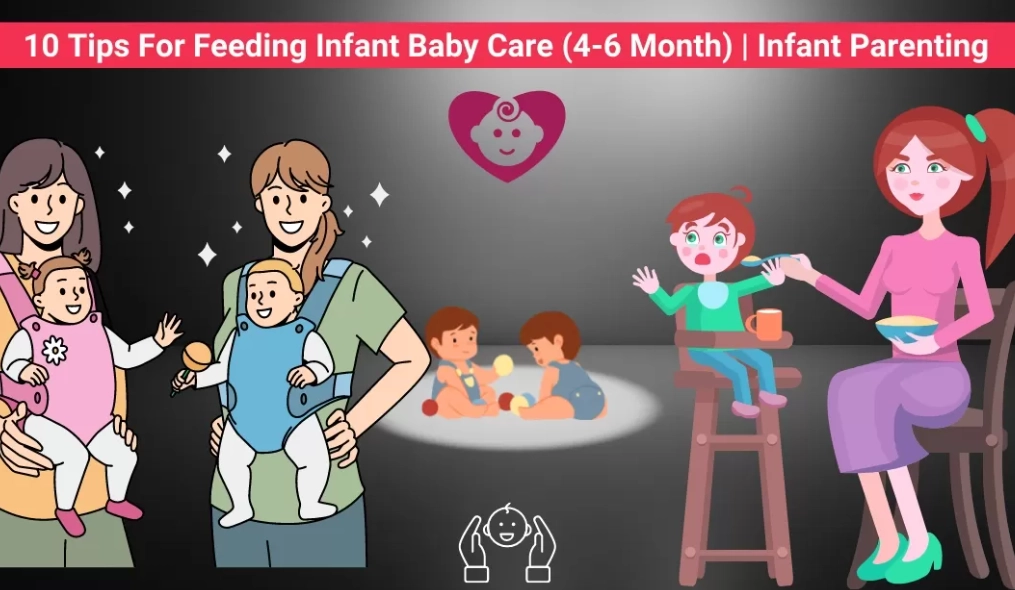
- Encourage Cruising & Walking: Clear pathways along sturdy furniture. Avoid walkers (they're dangerous and delay walking). Bare feet or non-slip socks are best indoors.
- Simple Problem-Solving Play: Offer stacking cups, shape sorters, and containers to fill and dump. Let them figure it out with minimal help.
- Language Exposure: Narrate your day. "I'm cutting the red apple." Read books daily, pointing to pictures. Respond to their babbling as conversation.
- Social-Emotional Cues: They start to understand "no" and experience separation anxiety. A consistent goodbye routine is key. Offer comfort but also model calm.
Milestones have a wide range. If you have persistent concerns about development, talk to your pediatrician. But most of the time, they get there in their own time.
Common Mistakes & Pro-Tips You Won't Find Elsewhere
After two kids and countless baby groups, I've seen patterns. Here's what often gets missed in standard checklists.
Mistake #1: Overlooking Parental Well-being as a Checklist Item. You can't pour from an empty cup. Schedule 15 minutes for yourself like it's a medical appointment. Shower, stare at a wall, drink coffee hot. A checklist that only cares for the baby is incomplete.
Mistake #2: Treating the Checklist as a Report Card. If you only tick off 60% of the items today, that's a 100% success rate for keeping a tiny human alive. The list is a guide, not a judge. Be flexible.
Mistake #3: Ignoring Your Gut Because an App Says Otherwise. Your baby isn't an algorithm. If they're hungry an hour off schedule, feed them. If a popular sleep method feels wrong for your family, don't do it. You are the expert on your child.
My Non-Consensus View on Sleep: The biggest sleep disruptor between 6-9 months isn't teething—it's mastering a new motor skill. Rolling, sitting, crawling. They'll practice in their crib at 2 AM. Give them some safe space to fuss and figure it out instead of immediately rushing in. They're working, not just crying.
Your Burning Baby Checklist Questions, Answered
 My baby hates tummy time. Should I force it to check it off the list?
Ready to put this all into action? I've created a free, printable PDF version of this first-year parenting tips for babies checklist, broken down by month. It's clean, simple, and designed to be stuck on your fridge. No email required. Download Your Free Baby's First Year Checklist PDF Here.
 Remember, this checklist isn't about achieving perfection. It's about having a reliable co-pilot during one of life's most intense and beautiful journeys. Tick off what you can, ignore what doesn't fit your day, and trust that you're doing a great job. Now go enjoy those baby cuddles—that's one item that's always on the list.
Reader Comments