Let's cut straight to the point. For most women, the first noticeable pregnancy symptoms start creeping in around week 4 to week 6 of pregnancy. That's typically 2 to 4 weeks after conception, or right around the time you miss your period. But here's the thing everyone gets wrong: there's no universal alarm bell that rings at exactly 5 weeks. Your body's timeline is its own. Some women feel a profound shift almost immediately, while others cruise through the first trimester with barely a whisper of nausea.
I've talked to hundreds of expectant mothers over the years, and the anxiety around "when should I feel something?" is incredibly common. This guide will walk you through the typical week-by-week symptom onset, but more importantly, it will explain the why behind the changes and give you practical, non-judgmental advice for navigating them.
What's Inside This Guide
The Earliest Signs: Before You Miss Your Period
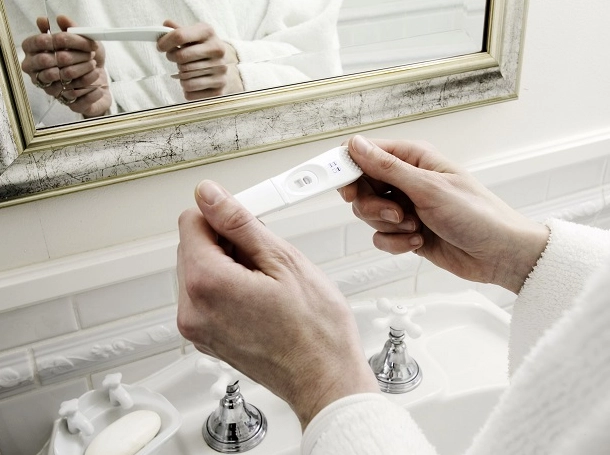
Can you feel pregnant before a positive test? Sometimes, yes. These super-early symptoms are subtle and easy to mistake for PMS. They're driven by the hormone human chorionic gonadotropin (hCG), which starts production right after implantation.
- Implantation Bleeding or Cramping: About 6-12 days after conception, you might notice light spotting (much lighter than a period) and mild cramping. This is the fertilized egg burrowing into your uterine lining. A lot of women miss this sign entirely.
- Breast Changes: Your breasts might feel tender, full, or tingly. The areolas (the area around your nipples) could darken slightly. This happens fast for some.
- Basal Body Temperature (BBT) Stay High: If you're tracking your BBT, it will stay elevated past when you'd expect it to drop before your period.
- Fatigue: Not your ordinary tiredness. This is a deep, bone-weary exhaustion that can hit out of nowhere. Your body is working overtime.
The problem? Every single one of these can also signal your period is coming. That's why they're unreliable on their own. The most definitive early sign is a missed period followed by a positive pregnancy test.
Your Week-by-Week Pregnancy Symptoms Timeline
This table breaks down the most common symptoms and when they typically debut. Remember, "typical" doesn't mean "guaranteed." Use this as a map, not a schedule.
| Pregnancy Week (Since Last Period) | Common Symptoms That Often Start | What's Happening in Your Body |
|---|---|---|
| Weeks 3-4 | Usually none, or very subtle signs like implantation bleeding/cramps, elevated BBT. | Fertilization and implantation. hCG production begins. |
| Week 5 | Missed period. Fatigue intensifies. Breast tenderness. Frequent urination. Mild nausea or food aversions may begin. | hCG levels are rising rapidly. The placenta starts to form. |
| Weeks 6-8 | Morning sickness (which can strike any time) often peaks. Bloating, mood swings, heightened sense of smell. Continued fatigue and breast changes. | Major hormonal surges (hCG, progesterone, estrogen). Uterus is expanding. |
| Weeks 9-12 | Nausea may start to ease for some by week 12. Visible veins on breasts and abdomen. Constipation may begin. You might feel dizzy or lightheaded. | hCG levels plateau and may start to decline. Progesterone remains high, relaxing smooth muscle (including in your gut). |
A note on "morning" sickness: the term is a misnomer. For many, it's all-day sickness, or it might hit hardest in the evening. I've had clients who only felt nauseous when they were hungry—so they had to snack constantly to keep it at bay.
Why Symptoms Vary So Wildly From Woman to Woman
If your friend was sick from week 5 and you feel fine at week 7, don't panic. The intensity and onset of symptoms depend on a few key factors:
- Your Hormonal Sensitivity: Some bodies are simply more reactive to the flood of pregnancy hormones. It's not a measure of how "strong" you are or how healthy the pregnancy is.
- hCG Levels: While higher hCG (like with twins) often correlates with stronger nausea, it's not a perfect rule. Some women with high levels feel fine.
- Your Baseline Health: If you were prone to motion sickness or migraines before pregnancy, you might be more susceptible to nausea. Stress and fatigue can also amplify symptoms.
- Genetic Factors: Ask your mother about her pregnancies. There's often a familial pattern.
The biggest mistake I see? Women comparing their week 6 to someone else's week 6. Pregnancy is not a standardized test.
Practical Tips for Managing Early Pregnancy Symptoms
Forget the old wives' tales. Here's what actually works, based on recommendations from sources like the American College of Obstetricians and Gynecologists (ACOG) and real-world experience.
Combating Nausea and Vomiting
The goal is to never let your stomach get completely empty.
- Keep plain crackers, dry toast, or pretzels by your bed. Eat a few before you even sit up in the morning.
- Eat small, bland meals every 1-2 hours. Think: bananas, rice, applesauce, toast (the BRAT diet).
- Sip cold, clear fluids like water, ginger ale, or electrolyte drinks slowly throughout the day. Gulping can upset your stomach more.
- Try sniffing fresh lemon or ginger. Some find acupressure wristbands helpful.
- If you can't keep anything down, talk to your doctor about vitamin B6 supplements or prescription medications. Suffering is not a requirement.

Dealing With Overwhelming Fatigue
This isn't coffee-fixable tiredness. Your body is building a placenta.
- Listen to it. Nap when you can, even if it's just 20 minutes.
- Delegate tasks. Now is the time to ask for help.
- Go to bed earlier, even if it feels ridiculously early.
- Gentle movement, like a short walk, can sometimes boost energy more than collapsing on the couch.
Soothing Tender Breasts
A good, supportive bra—even to sleep in—is a game-changer. Look for one without underwire and made from soft, stretchy fabric. A warm compress can also provide relief.
What If You Have No Pregnancy Symptoms At All?
This causes so much unnecessary anxiety. Having no symptoms, or very mild symptoms, in the first trimester is not uncommon and is usually perfectly normal.
Consider yourself one of the lucky ones! Some women just have a higher tolerance for the hormonal shifts. The absence of morning sickness does not mean you're less pregnant or that something is wrong. Many healthy, full-term pregnancies proceed with minimal discomfort in the early weeks.
However, you should contact your healthcare provider immediately if you experience a sudden stop of pregnancy symptoms that were previously strong, especially if accompanied by severe abdominal pain or heavy bleeding. This could indicate a change that needs medical evaluation.
For peace of mind, an early ultrasound (around 7-8 weeks) can confirm a healthy pregnancy with a heartbeat, regardless of how you feel.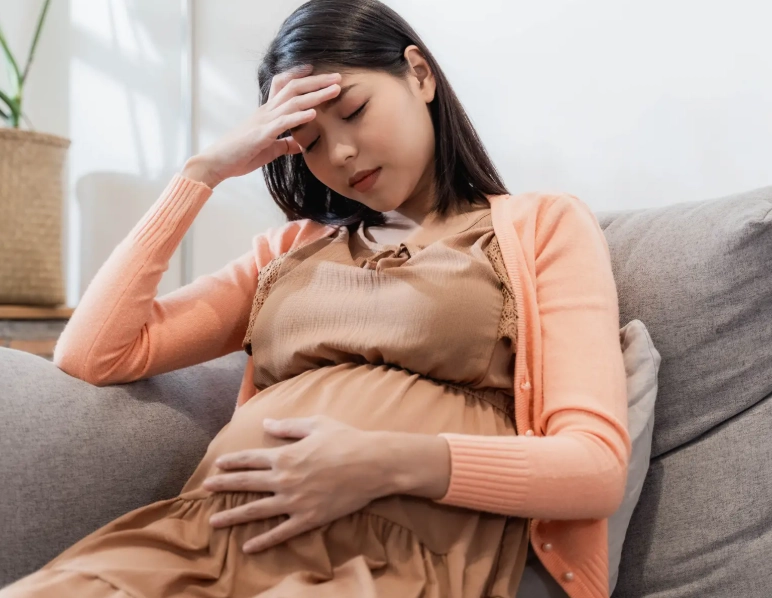
Reader Comments