Let's clear the air right away. "Losing weight" during pregnancy isn't the goal you should have on your vision board. If you're searching for a healthy pregnancy diet to lose weight, what you're likely looking for is a way to manage your weight gain, avoid packing on unnecessary pounds, and feel strong and energetic—all while giving your baby everything they need to thrive. This isn't about restriction; it's about smart, nutrient-dense eating. I've worked with hundreds of expectant mothers, and the ones who focus on nourishment over numbers on the scale have smoother pregnancies and better outcomes.
What's Inside This Guide?
- The Crucial Mindset Shift: From Weight Loss to Weight Management
- The 4 Non-Negotiable Principles of a Pregnancy Diet for Healthy Weight
- Your Daily Food Framework: What to Put on Your Plate
- The Real Deal on Managing Cravings and Aversions
- Putting It All Together: A Sample Day of Eating
- Common Pitfalls Even Smart Moms-to-Be Fall Into
The Crucial Mindset Shift: From Weight Loss to Weight Management
This is where most online advice gets it wrong. Your body needs to gain weight. The baby, placenta, extra blood volume, amniotic fluid—it all adds up. The Centers for Disease Control and Prevention (CDC) provides weight gain guidelines based on your pre-pregnancy Body Mass Index (BMI).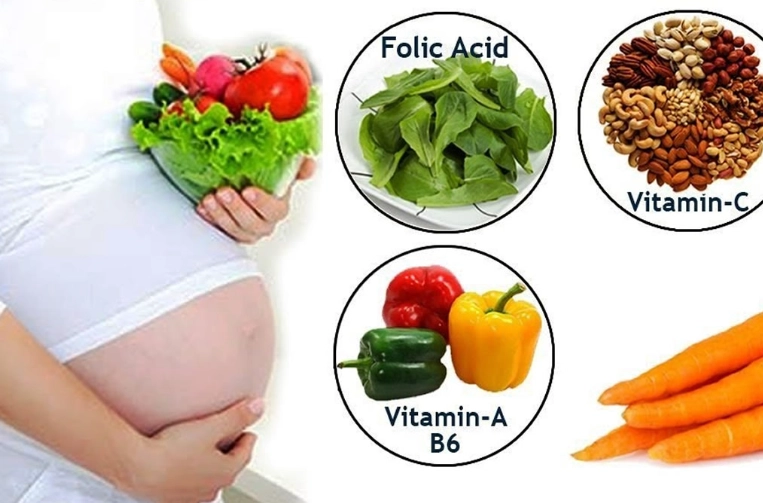
The trick, especially if you started pregnancy overweight, is to gain weight slowly and steadily within the recommended range. For some women, this might mean gaining only 1-2 pounds in the first trimester and about a pound a week later on. The goal is to avoid the rapid spikes that come from excessive empty calories, which are linked to complications like gestational diabetes, preeclampsia, and a harder postpartum recovery.
Key Takeaway: Talk to your doctor or midwife about your personalized weight gain target. Don't compare yourself to others. The focus is on the quality of the weight gained, not just the number.
The 4 Non-Negotiable Principles of a Pregnancy Diet for Healthy Weight
1. Prioritize Protein at Every Meal
This is the most underutilized tool. Protein builds your baby's cells, helps you feel full for hours, and stabilizes blood sugar. Aim for a palm-sized portion with each meal. Think eggs, Greek yogurt, chicken, fish (low-mercury options like salmon and sardines), lentils, beans, and tofu. A client of mine swapped her sugary cereal breakfast for scrambled eggs with spinach, and her afternoon energy crashes vanished.
2. Make Friends with Fiber
Fiber is your digestive system's best friend (hello, pregnancy constipation) and a master at controlling hunger. It slows down sugar absorption, preventing those energy spikes and crashes that lead to cravings. Get it from vegetables (the more colorful, the better), fruits like berries and apples (with the skin on), oats, quinoa, and chia seeds.
3. Choose Smart Carbs, Not No Carbs
Your brain and baby need carbohydrates. The problem is the type. Ditch the refined white stuff—white bread, pasta, pastries—which acts like sugar in your body. Opt for complex carbs: sweet potatoes, brown rice, whole-grain bread, and oatmeal. These provide sustained energy and nutrients.
4. Don't Fear Healthy Fats
Fat is essential for your baby's brain development. The right fats also keep you satiated. Add a thumb-sized portion of avocado, a sprinkle of nuts or seeds, or a drizzle of olive oil to your meals. They make vegetables taste better and meals more satisfying.
Your Daily Food Framework: What to Put on Your Plate
Forget complicated calorie counting. Use this visual plate method:
- 1/2 Plate Non-Starchy Vegetables: Broccoli, leafy greens, bell peppers, zucchini, cauliflower, tomatoes. These are low in calories but packed with vitamins and fiber.
- 1/4 Plate Lean Protein: Chicken, fish, eggs, legumes, tempeh.
- 1/4 Plate Complex Carbohydrate: Quinoa, brown rice, sweet potato, whole-wheat pasta.
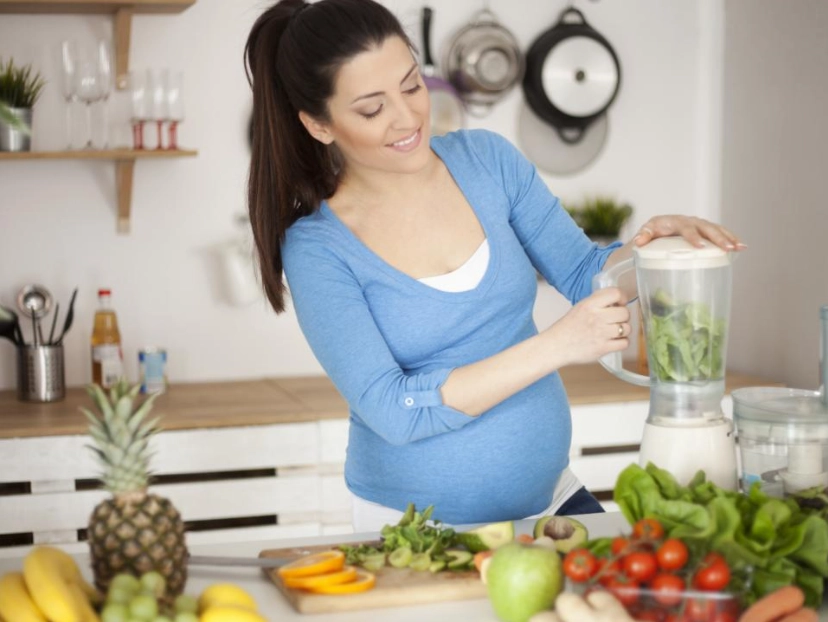
- Add a serving of Healthy Fat: 1/4 avocado, 1 tbsp olive oil, a small handful of almonds.
This framework naturally controls portions and ensures nutrient balance. Here’s a comparison of common snack choices to illustrate the principle:
| Choose More Often | Choose Less Often | Why It Matters |
|---|---|---|
| Apple slices with 1 tbsp almond butter | Fruit-flavored yogurt (sugary) | The first combo provides fiber, protein, and healthy fat for lasting fullness. The yogurt is often mostly sugar, spiking blood sugar. |
| Handful of almonds and a cheese stick | Pretzels or rice cakes | The nut/cheese combo has protein and fat. Pretzels are refined carbs that digest quickly, leaving you hungry soon after. |
| Carrot and cucumber sticks with hummus | Granola bar (many are glorified candy bars) | Veggies and hummus offer fiber, protein, and volume. Many granola bars lack protein and are high in added sugars. |
The Real Deal on Managing Cravings and Aversions
This is the part most diet plans ignore, but it's pregnancy reality. You might crave ice cream one day and hate the smell of chicken the next.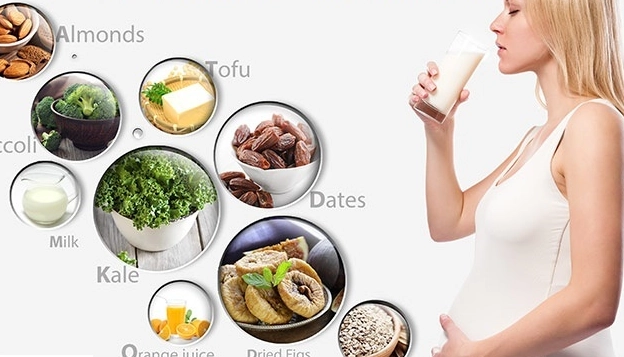
For Cravings: Don't white-knuckle it through a pint craving. It often leads to a binge. Instead, try the "bridge" method. Craving something sweet and creamy? Have a bowl of plain Greek yogurt with fresh berries and a drizzle of honey. It satisfies the texture and sweetness craving while giving you protein. Want something salty and crunchy? Try air-popped popcorn with a sprinkle of nutritional yeast or Parmesan cheese.
For Aversions: If a key food group (like meat) turns your stomach, find a substitute with similar nutrients. Can't do chicken? Try lentils, eggs, or a protein powder smoothie. Hate broccoli? Maybe you can handle zucchini or roasted carrots. The nutrient is the goal, not the specific food.
First Trimester Survival Tip: If you're in the thick of morning sickness, throw this whole plan out the window. Eat whatever you can keep down—crackers, plain pasta, watermelon. Just stay hydrated. You can focus on nutrient density when you feel better. Seriously, give yourself grace.
Putting It All Together: A Sample Day of Eating
Let's make this concrete. Here’s what a day focused on healthy weight management might look like. This isn't a rigid meal plan, but a flexible example.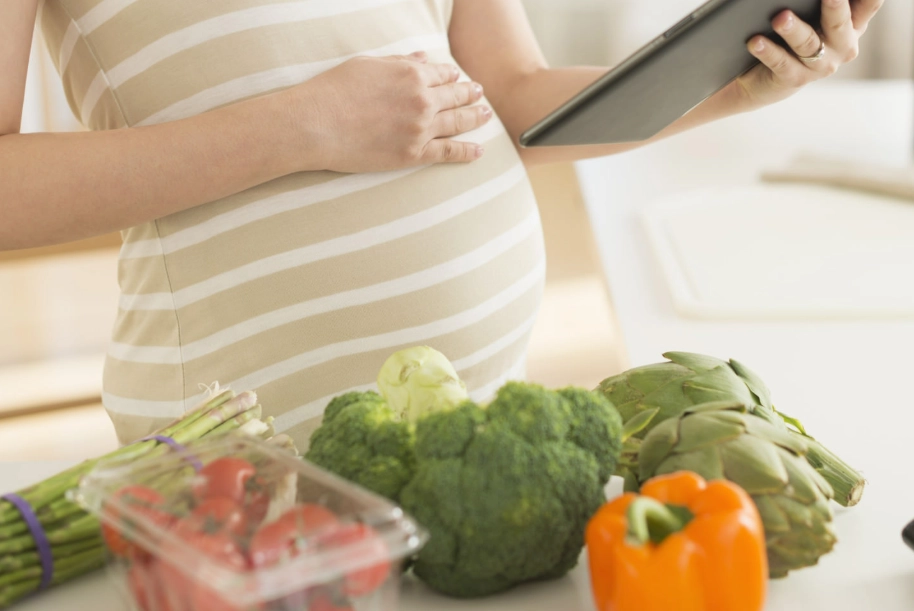
Breakfast (8 AM): Two-egg omelet with spinach and mushrooms, cooked in a teaspoon of olive oil. One slice of whole-grain toast. This provides protein, fat, fiber, and iron to start the day strong.
Morning Snack (11 AM): A small apple and a handful of walnuts. The fat and fiber combo prevents a pre-lunch crash.
Lunch (1 PM): A big salad bowl. Base of mixed greens, cherry tomatoes, and cucumber. Add a palm-sized portion of grilled chicken or a cup of chickpeas. Top with 1/4 avocado and a simple olive oil & lemon juice dressing. Complex carbs from the chickpeas keep you full.
Afternoon Snack (4 PM): This is prime craving time. A cup of plain Greek yogurt with a tablespoon of chia seeds and a few raspberries. The protein and fiber are a powerhouse against late-day sugar cravings.
Dinner (7 PM): Baked salmon (rich in omega-3s) with a side of roasted broccoli and a 1/2 cup of quinoa. Simple, delicious, and covers all your bases.
Evening (If needed): A cup of herbal tea or a small square of dark chocolate (70%+ cocoa) if you need something sweet.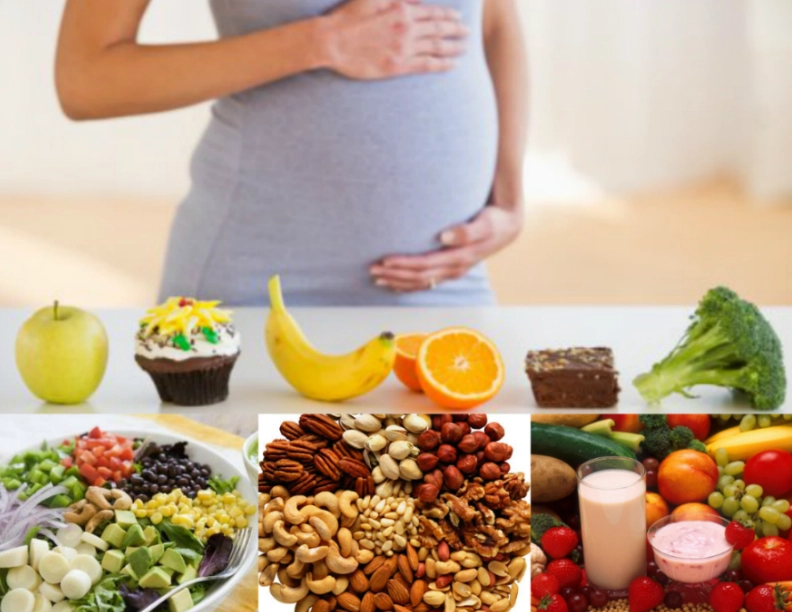
Common Pitfalls Even Smart Moms-to-Be Fall Into
After years in prenatal nutrition, I see the same mistakes repeatedly.
Pitfall 1: The "Eating for Two" Mentality. In the second and third trimesters, you only need about 300-500 extra calories per day. That's equivalent to a yogurt and an apple, not a second dinner. The Mayo Clinic emphasizes that the quality of those extra calories is far more important than the quantity.
Pitfall 2: Drinking Your Calories. Sugary coffee drinks, sodas, and even large amounts of fruit juice flood your system with sugar and empty calories without making you feel full. Stick to water, sparkling water, milk, and the occasional small glass of 100% juice.
Pitfall 3: Skipping Meals. This almost always backfires, leading to extreme hunger, low energy, and poor food choices later. Eat regular meals and snacks.
Pitfall 4: Obsessing Over the Scale Weekly. Weight fluctuates due to water retention, digestion, and other factors. Weigh yourself no more than once a month at your prenatal appointments and focus on how your clothes fit and how you feel.
The journey is about growing a human. Nourish yourself with intention, move your body gently, and partner with your healthcare provider. A healthy pregnancy diet for weight management is simply a blueprint for feeling your best during this incredible time.
Reader Comments