Quick Navigation
- Why the First Trimester Rules Are So Important (It's Not Just About You)
- The Non-Negotiables: Your First Trimester "Must-Do" List
- The "Better Safe Than Sorry" List: First Trimester Don'ts
- Navigating the Gray Areas: Common First Trimester Questions
- Putting It All Together: A Quick-Reference Table
- When to Actually Worry: Red Flags You Shouldn't Ignore
- The Bottom Line: You've Got This
Let's be honest, that positive test result sends your mind spinning. Excitement, sure. But also a tidal wave of questions, mostly starting with "Am I allowed to...?" and "Should I be avoiding...?" The first trimester feels like walking a tightrope blindfolded. You're thrilled, but you're also terrified of doing something wrong.
I remember my own first trimester. I spent hours googling things like "can I eat that cheese?" and "is this level of exhaustion normal?" The information out there is overwhelming and often contradictory. One site says one thing, your mom says another, and your friend swears by something totally different.
It's a lot.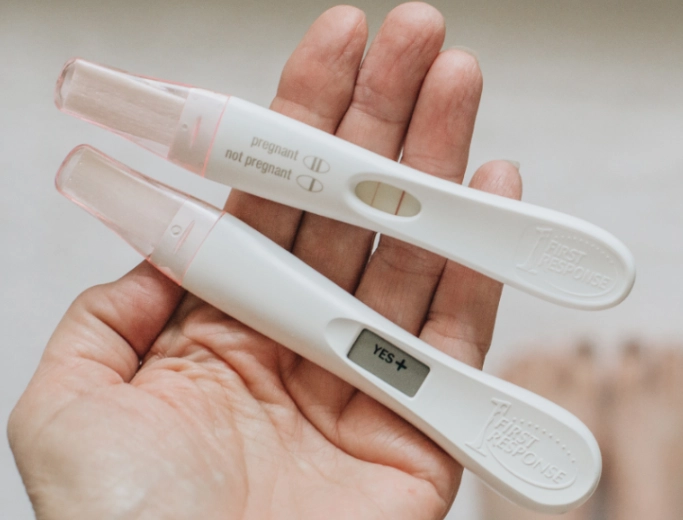
So let's cut through the noise. This isn't about fear-mongering or presenting a list of impossible rules. This is a practical, no-nonsense guide to navigating those crucial first 12 weeks. We'll talk about the real, evidence-based first trimester of pregnancy do's and don'ts, separating the essential advice from the old wives' tales. Think of me as that knowledgeable friend who's been through it and has done all the research for you.
Why the First Trimester Rules Are So Important (It's Not Just About You)
You might wonder why everyone makes such a big deal about these initial weeks, especially when you might not even be showing. The truth is, this is the most critical period for your baby's development. Major organs, the neural tube (which becomes the brain and spine), and bodily systems are forming at a breathtaking pace.
The Core Idea: The first trimester is a foundational construction phase. What you do (or don't do) provides the raw materials and safe environment for that incredible blueprint to become reality. It's less about "eating for two" in terms of quantity and more about nutrient quality and risk avoidance.
It's not about wrapping yourself in bubble wrap. It's about making informed choices that support this incredible, invisible process happening inside you. The goal of any good list of 1st trimester pregnancy dos and don'ts is to empower you, not paralyze you.
The Non-Negotiables: Your First Trimester "Must-Do" List
Let's start with the positive actions—the things you should actively embrace. These are your power moves for the first trimester.
Do: Lock In Your Prenatal Care
This is step one. Schedule that first appointment. Even if you feel fine, establishing care early is crucial. Your provider will confirm the pregnancy, estimate your due date, run baseline tests, and answer your specific questions. They are your partner in this. I dragged my feet a bit, thinking I could wait, but getting that professional confirmation and plan in place was a massive relief.
Do: Make Friends with Folic Acid (Like, Now)
If you do one thing from the "do's" column, make it this. Folic acid is a B vitamin that is absolutely vital in preventing neural tube defects like spina bifida. The catch? The neural tube closes very early, around weeks 4-6 of pregnancy—often before you even know you're pregnant.
That's why the recommendation is for all women of childbearing age to take it.
The Centers for Disease Control and Prevention (CDC) recommends 400 micrograms (mcg) of folic acid daily. Most prenatal vitamins contain at least this amount. Start taking a prenatal vitamin the day you get a positive test, or better yet, if you're trying to conceive, start beforehand. It's one of the simplest, most powerful things you can do. You can read more about the importance of folic acid directly from the CDC's dedicated resource page.
Do: Rethink Your Plate (But Keep It Simple)
Forget the pressure of a perfect "pregnancy diet." Focus on consistent, nutrient-dense choices. Your body needs fuel for the monumental task at hand.
- Protein: Think eggs, Greek yogurt, chicken, beans, lentils. It's building block material.
- Complex Carbs: Whole grains, oats, sweet potatoes. They provide sustained energy to fight that first-trimester fatigue, which is no joke.
- Iron-Rich Foods: Lean red meat, spinach, fortified cereals. Your blood volume is increasing dramatically.
- Calcium: Milk, cheese (pasteurized!), yogurt, leafy greens. For baby's bone development.
I lived on plain crackers, ginger ale, and the occasional apple for about three weeks thanks to nausea. My doctor's advice? "Eat what you can keep down. Getting calories is priority one right now." Don't beat yourself up if your diet isn't textbook perfect.
Do: Listen to Your Body (Especially When It Yells "Sleep!")
The fatigue of the first trimester is a unique beast. It's not just tiredness; it's a deep, bone-weary exhaustion that can hit you at 2 PM. This is your body working overtime. Honor it. Nap when you can. Go to bed early. Delegate chores. This isn't laziness; it's biological necessity. Pushing through it only makes you feel worse.
Do: Start Gentle Movement (If You Feel Up To It)
Notice the caveat—*if you feel up to it*. If you're glued to the couch battling nausea, be kind to yourself. But if you have moments of feeling okay, gentle exercise like walking, prenatal yoga, or swimming can work wonders. It boosts mood, improves sleep, and helps with common aches. The key is gentle. Now is not the time to start training for a marathon or hit new personal records at the gym.
The American College of Obstetricians and Gynecologists (ACOG) has great guidelines on exercise during pregnancy that are worth checking out for reassurance.
The "Better Safe Than Sorry" List: First Trimester Don'ts
This is the part that causes the most anxiety. Let's break it down logically, focusing on the *why* behind the rules. Understanding the reason makes them easier to follow.
Don't: Consume Alcohol, Tobacco, or Recreational Drugs
This is the big one, with zero debate in the medical community. There is no known safe amount of alcohol during pregnancy. Alcohol passes directly to the baby and can cause Fetal Alcohol Spectrum Disorders (FASDs), which include lifelong physical, behavioral, and intellectual disabilities. Just don't.
Smoking and vaping restrict oxygen and nutrient flow to the baby, increasing risks of preterm birth, low birth weight, and other complications. Quitting is the single best thing a smoker can do for their pregnancy. If you need help, talk to your doctor immediately—they have resources.
Don't: Eat Certain High-Risk Foods
This isn't about depriving you; it's about avoiding bacteria (like Listeria) and parasites (like Toxoplasma) that can harm the baby. Your immune system is slightly suppressed during pregnancy, making you more susceptible.
Foods to Avoid:
- Unpasteurized (raw) milk and cheeses like brie, feta, queso fresco (unless labeled "made with pasteurized milk").
- Raw or undercooked meat, poultry, seafood, and eggs. Sorry, runny yolks and rare steak are out for now.
- Deli meats and hot dogs unless they are reheated to steaming hot. Listeria can lurk here.
- Raw sprouts. Alfalfa, clover, etc., are notorious for bacterial contamination.
- High-mercury fish. Shark, swordfish, king mackerel, tilefish. Opt for low-mercury choices like salmon, shrimp, pollock, and canned light tuna (limit albacore/white tuna).
The U.S. Food and Drug Administration (FDA) has a very clear and helpful food safety guide for pregnant women that's worth bookmarking.
Don't: Self-Medicate
That headache or backache can't just be solved by grabbing your usual over-the-counter pill. Some medications are safe, but many common ones are not recommended during the first trimester. This includes certain pain relievers, some cold medicines, and most herbal supplements.
Always, always check with your doctor or pharmacist before taking anything.
Even supplements that seem harmless, like high doses of Vitamin A or certain herbal teas, can be problematic. Your provider can give you a safe list for common ailments like headaches, constipation, and heartburn.
Don't: Clean the Litter Box (Seriously, Delegate This)
This classic piece of advice is based on real risk. Cat feces can contain a parasite that causes toxoplasmosis, an infection that can be very dangerous for a developing baby. If you have a cat, let someone else handle litter duty. If you must do it, wear gloves and wash your hands thoroughly. Also, wear gloves while gardening in case outdoor cats have used the soil.
Don't: Overdo the Caffeine
You don't have to go cold turkey (thank goodness), but moderation is key. Most major health organizations, including ACOG, recommend limiting caffeine to less than 200 milligrams per day. That's roughly one 12-ounce cup of coffee. Remember, caffeine is also in tea, soda, chocolate, and some medications. That second cup could push you over the limit.
Navigating the Gray Areas: Common First Trimester Questions
Here's where we tackle the stuff that keeps you up at night—the questions that aren't always clear-cut in standard 1st trimester dos and don'ts lists.
Can I dye my hair?
Most research suggests that the chemicals in modern hair dyes are not highly absorbed through the skin and are unlikely to pose a risk, especially after the first trimester. However, if you're anxious, you could wait until after week 12, opt for highlights (where the dye doesn't touch the scalp), or use natural vegetable-based dyes. I got my roots touched up in the second trimester after my midwife gave me the all-clear, and it did wonders for my mood.
What about skincare products?
You need to be selective. Avoid products containing high-dose retinoids (like Retin-A or Accutane, which are prescription but also watch for retinol in over-the-counter anti-aging creams), and hydroquinone. Salicylic acid in high concentrations (like in chemical peels) is also a no-go, but a 2% salicylic acid face wash is generally considered safe as it's rinsed off. When in doubt, stick to simple, gentle products. The American Pregnancy Association has a good overview of skincare during pregnancy.
Is it safe to travel?
Generally, yes, the first trimester is a fine time for most types of travel. The main considerations are your comfort (nausea, fatigue) and access to healthcare at your destination. Long car rides? Get out and stretch every hour or two to promote circulation. Air travel? Stay hydrated, get an aisle seat for easy bathroom access, and walk around when you can. Avoid destinations with Zika virus risk or that require live-virus vaccinations (like yellow fever). Always discuss travel plans with your doctor.
Can I have sex?
In a normal, low-risk pregnancy, yes, sex is perfectly safe throughout all trimesters. Your baby is well-protected by the amniotic sac and your uterine muscles. However, libido can take a nosedive thanks to hormones and fatigue, which is completely normal. Communicate with your partner. Intimacy doesn't have to mean intercourse. Cuddling and closeness are just as important.
Putting It All Together: A Quick-Reference Table
Sometimes you just need a cheat sheet. Here's a summary of the core first trimester of pregnancy do's and don'ts for easy reference.
| Category | Do This | Don't Do This |
|---|---|---|
| Nutrition | Take prenatal vitamins with 400+ mcg folic acid. Eat small, frequent meals. Focus on protein & complex carbs. | Eat raw/unpasteurized foods, high-mercury fish, or deli meat not heated to steaming. Drink alcohol. |
| Lifestyle | Schedule prenatal care. Prioritize sleep. Engage in gentle exercise (if able). Drink plenty of water. | Smoke or vape. Use recreational drugs. Clean the litter box. Sit in hot tubs/saunas (high core temp risk). |
| Health & Wellness | Listen to your body's need for rest. Practice stress-reduction (meditation, walking). Wash hands frequently. | Take any medication/supplement without doctor approval. Exceed 200mg caffeine daily. Ignore severe symptoms. |
| Mindset | Ask your provider every question. Connect with other expectant parents. Be kind to yourself. | Panic over every little thing. Compare your pregnancy to others'. Isolate yourself. |
When to Actually Worry: Red Flags You Shouldn't Ignore
Amidst all the minor aches and weird symptoms, it's crucial to know the signs that warrant an immediate call to your doctor. Don't ever feel like you're "bothering" them. It's their job.
Call your provider right away if you experience:
- Heavy vaginal bleeding (soaking a pad in an hour). Some light spotting can be normal, but heavy bleeding is not.
- Severe abdominal pain or cramping that doesn't subside.
- Severe, persistent nausea and vomiting where you can't keep any food or liquids down (this could be hyperemesis gravidarum).
- A sudden, severe headache, especially with visual changes.
- Dizziness or fainting.
- A fever over 100.4°F (38°C).
- Pain or burning during urination.
Trust your gut. If something feels seriously wrong, it's better to get checked out.
The Bottom Line: You've Got This
Navigating the first trimester of pregnancy dos and don ts is about balance. It's about making mindful choices most of the time while giving yourself grace for the moments when you just need to survive on crackers and Netflix.
Final Thought: The goal isn't perfection. The goal is providing a generally healthy, safe environment for your baby to grow. You will make choices you later question. You will have days where you do everything "right" and still feel awful. That's normal. This guide is your map, but you are the one driving. Use it, lean on your care team, listen to your body, and take it one day—sometimes one hour—at a time. The first trimester is a marathon, not a sprint. Pace yourself.
Before you know it, you'll be heading into the second trimester, often with more energy and a renewed sense of calm. You can do this.
Reader Comments