Imagine going about your daily life, feeling mostly normal, only to discover you're months pregnant—or even in labor. That's the reality of cryptic pregnancy, a rare but real phenomenon where a woman is unaware of her pregnancy until late stages. It sounds like something from a movie, but it happens more often than you'd think. I've talked to healthcare providers and women who've lived through it, and the stories are both shocking and enlightening. In this guide, we'll break down what cryptic pregnancy is, why it happens, and what you can do if you suspect one. Let's get straight to the point.
Jump to What Matters Most
What is a Cryptic Pregnancy?
A cryptic pregnancy, sometimes called a stealth or denied pregnancy, occurs when a woman doesn't realize she's pregnant until at least 20 weeks—often much later. It's not about hiding the pregnancy on purpose; it's a genuine lack of awareness due to various factors. Medically, it's defined as a pregnancy that goes unrecognized by the woman and sometimes even by healthcare providers until labor begins. The American College of Obstetricians and Gynecologists notes that these cases are rare but documented, with estimates suggesting 1 in 2,500 pregnancies might be cryptic. That's roughly 0.04%, but when it happens, it turns lives upside down.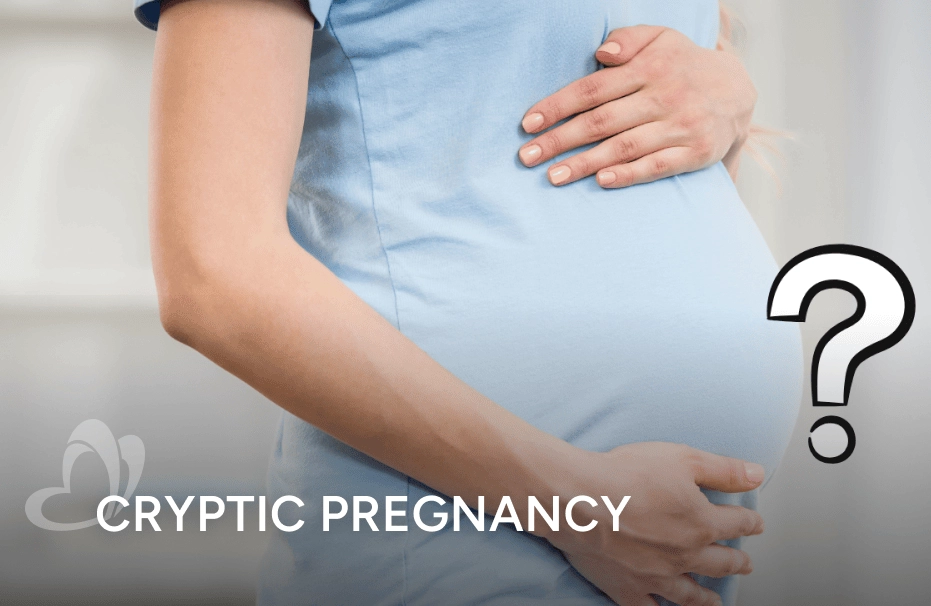
The Medical Definition vs. Everyday Misconceptions
People often confuse cryptic pregnancy with denial or secrecy, but there's a key difference. Denial involves psychological refusal to accept the pregnancy, while cryptic pregnancies can stem from physiological issues like irregular periods or minimal symptoms. I've seen cases where women had regular menstrual-like bleeding, which threw them off completely. It's not just "being in denial"; sometimes the body doesn't send clear signals.
Causes of Cryptic Pregnancy
Why does this happen? It's usually a mix of psychological and physiological factors. Let's dive into the main reasons.
Psychological Factors
Stress, trauma, or mental health conditions can mask pregnancy signs. For instance, women with a history of infertility might subconsciously dismiss symptoms, thinking pregnancy is impossible. I recall a story from a therapist who worked with a client in her 30s: she'd been told she couldn't conceive, so when she gained weight and felt tired, she blamed work stress. It wasn't until she felt movement that she considered pregnancy.
Physiological Factors
These are more common than you'd expect. Irregular periods, polycystic ovary syndrome (PCOS), or perimenopause can make missed periods seem normal. Some women continue to have light bleeding that mimics a period. Also, if the placenta implants in an unusual position, it might not produce high levels of hCG, leading to negative pregnancy tests. A study published in the Journal of Women's Health highlighted cases where low hCG levels contributed to missed diagnoses.
Signs You Might Miss
Cryptic pregnancies often fly under the radar because symptoms are subtle or attributed to other things. Here's what to watch for—though it's tricky.
Minimal weight gain: Some women gain less than 10 pounds, especially if they have an active lifestyle. It's easy to chalk it up to diet changes.
Fatigue and mood swings: These are so common with stress or busy lives that they're often ignored. I've heard from women who said they just felt "off" but never guessed pregnancy.
Fetal movement confusion: Early movements can feel like gas or muscle twitches. One woman described it as "butterflies" she assumed were anxiety.
Negative pregnancy tests: This is a big one. Home tests can be false negatives if done too early or if hCG levels are low. Blood tests at a clinic are more reliable, but even they can miss it in rare cases.
How Cryptic Pregnancy is Diagnosed
Diagnosis usually happens by accident or during a medical emergency. It's not straightforward, and that's where things get complicated.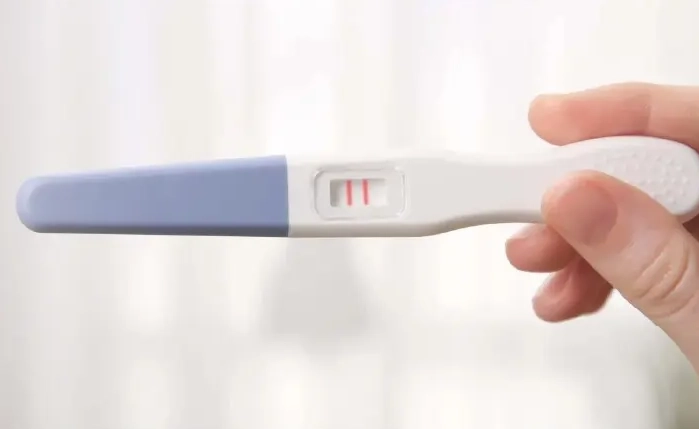
Most cases are discovered during routine check-ups for other issues, like back pain or urinary infections. An ultrasound is the gold standard, but if no one suspects pregnancy, it might not be ordered. I spoke to an ER doctor who shared a case: a woman came in with severe abdominal pain, and only after a CT scan did they find a full-term baby. The medical team was stunned.
Blood tests for hCG can help, but as mentioned, levels might be low. Sometimes, it takes multiple tests or a different approach, like listening for fetal heart sounds with a Doppler—but that requires someone to think of pregnancy first.
Real-Life Stories
To make this real, let's look at two detailed cases. These are based on accounts from support groups and medical reports.
Sarah's Story: Sarah, a 28-year-old teacher, had always had irregular periods due to PCOS. She'd been trying to lose weight and attributed her bloating to diet changes. At six months, she felt what she thought was indigestion. It wasn't until she collapsed at work and was rushed to the hospital that an ultrasound revealed a 32-week pregnancy. She'd had negative home tests earlier and never considered it. Her doctors said her placenta was anterior, which muted fetal movements.
Mark's Experience (a partner's perspective): Mark noticed his wife, Lisa, seemed more tired and emotional, but they both thought it was job stress. She had light spotting monthly, so pregnancy never crossed their minds. At eight months, during a vacation, Lisa went into labor unexpectedly. They delivered a healthy baby in a hotel room with emergency services. Mark says the biggest lesson was to trust gut feelings—they'd both felt something was off but dismissed it.
What to Do If You Suspect a Cryptic Pregnancy
If you're worried, don't panic. Here's a step-by-step approach based on advice from obstetricians.
First, track any unusual symptoms, even if they seem minor. Write them down—things like fatigue, weight changes, or strange sensations in your abdomen.
Second, see a healthcare provider. Be upfront about your concerns. Ask for a blood hCG test and an ultrasound. Don't rely solely on home tests; they can be misleading.
Third, consider psychological support. The shock of a late diagnosis can be traumatic. Organizations like Postpartum Support International offer resources for unexpected pregnancies.
Finally, stay informed. Read credible sources like the Mayo Clinic or NHS websites, but avoid falling down internet rabbit holes that fuel anxiety.
FAQ: Your Burning Questions
Cryptic pregnancy is a complex topic that blends medicine and psychology. By understanding the signs and causes, you can be more aware and proactive. If you're experiencing unexplained symptoms, don't hesitate to seek medical advice—it's better to check and be sure. Share this guide with others to spread awareness, and remember, you're not alone in this journey.
Reader Comments