You’ve missed your period, or maybe it’s just a day late, and a wave of "what if" hits you. The pharmacy feels miles away, or it's the middle of the night, or you simply want some clues before you take that official step. I get it. The wait for a pregnancy test can feel endless. While there is no substitute for a laboratory-quality pregnancy test or a doctor's confirmation, your body often sends signals very early on. Think of these signs as your body's own preliminary notification system.
This guide isn't about old wives' tales. We’ll focus on the physiological changes driven by rising hormones like hCG and progesterone, which you can observe yourself. The key is pattern recognition, not latching onto one isolated symptom.
What's Inside This Guide?
What Are the Earliest Signs of Pregnancy?
Before a missed period, your body is already busy. Implantation—when the fertilized egg attaches to the uterine lining—triggers the release of human chorionic gonadotropin (hCG). This hormone is what pregnancy tests detect, and it's also responsible for many early symptoms.
Look for a cluster of these signs, especially if they feel different from your typical pre-menstrual syndrome (PMS).
1. Changes in Your Breasts
This is often one of the first noticeable symptoms. It’s not just about tenderness. Many women report a specific, fuller feeling, with veins becoming more visible on the skin. The areola (the area around the nipple) may darken slightly and small bumps, called Montgomery's tubercles, might become more pronounced. The sensation is less "ouch when I bump them" and more a persistent, heavy sensitivity that starts as early as 1-2 weeks after conception.
2. Fatigue That Feels Different
We're not talking about needing an extra coffee. This is a deep, bone-weary exhaustion that can hit you in the middle of the afternoon for no apparent reason. It’s caused by soaring progesterone levels. One subtle clue I've heard from many women: this fatigue often appears before the missed period, whereas PMS fatigue usually coincides with it.
3. Nausea and Food Aversions
"Morning sickness" is a misnomer. It can strike any time. Early on, it might not be vomiting but a constant, low-grade queasiness. You might suddenly be repulsed by the smell of coffee, a food you usually love, or even your partner's cologne. This is your heightened sense of smell at work, another progesterone effect.
A Common Point of Confusion: PMS can also cause breast tenderness, fatigue, and mood swings. The timeline and quality of the symptom matter. Pregnancy symptoms tend to be more persistent and intensify as the days go past your expected period date, while PMS symptoms typically resolve once bleeding starts.
4. Implantation Bleeding and Cramping
About 6-12 days after conception, some women experience light spotting or bleeding that's much lighter than a period—often just a pink or brown discharge for a day or two. It can be accompanied by mild cramping that feels different from menstrual cramps; often described as a pulling or tingling sensation low in the abdomen. A lot of women mistake this for an early, light period.
5. The Missed Period
The most classic sign, but only reliable if your cycles are usually regular. Stress, illness, or changes in routine can also delay ovulation and your period. If you're tracking your cycle (more on that below), a missed period is a much stronger indicator.
Beyond Symptoms: Proactive Tracking Methods
If you're trying to conceive or are hyper-aware of your cycle, these methods add a layer of objective data to your subjective feelings.
Tracking Your Basal Body Temperature (BBT)
Your basal body temperature is your body's temperature at complete rest. After ovulation, progesterone causes your BBT to rise slightly (about 0.5 to 1 degree Fahrenheit) and stay elevated until just before your period. If you're pregnant, it stays elevated.
How to do it: Use a digital basal thermometer (more sensitive than a regular one). Take your temperature immediately upon waking, before you even sit up or talk. Chart it daily. If your elevated temperature persists for more than 16-18 days after ovulation, it's a strong sign of pregnancy.
The subtle error most beginners make: They aren't consistent with the time. Even waking up an hour later can skew the reading. Try to keep your measurement time within a 30-minute window.
Observing Cervical Mucus Changes
Your cervical mucus changes throughout your cycle. After ovulation, it typically becomes scant and sticky under the influence of progesterone. If conception occurs, the high progesterone levels can cause it to remain thick, or sometimes increase again, becoming creamy or even milky. Some women don't notice a return to the wet, egg-white consistency typical of ovulation.
How Reliable Are These Natural Methods?
Let's be brutally honest. These signs are hints, not diagnoses. Their reliability varies wildly.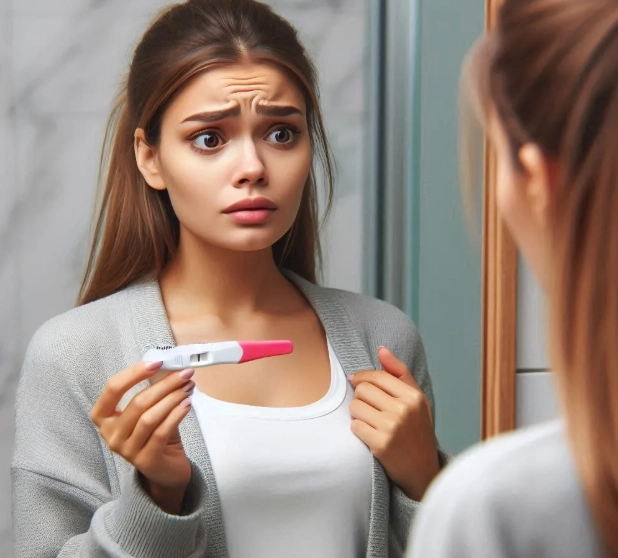
| Sign or Method | Potential Reliability | Major Caveats & Confounders |
|---|---|---|
| Missed Period | High (for regular cycles) | Stress, weight change, illness, hormonal imbalances (like PCOS) can all delay periods. |
| Sustained High BBT | Moderately High | Requires consistent, precise tracking. Illness, poor sleep, or alcohol can affect temperature. |
| Breast Changes & Fatigue | Low to Moderate | Extremely common in PMS. The specific quality and persistence are key differentiators. |
| Nausea/Aversions | Moderate | Less common in PMS. A fairly distinctive early pregnancy sign when it appears pre-period. |
| Implantation Bleeding | Low | Only about 25-30% of pregnant women experience it. Can be mistaken for a light period or ovulation spotting. |
The biggest risk is false hope or unnecessary anxiety. I've seen friends convince themselves they were pregnant based on fatigue and sore breasts, only for it to be a particularly rough PMS. The reverse is also true—some early pregnancies have almost no symptoms.
Critical Warning: Some early pregnancy signs, like abdominal pain or bleeding, can also be signs of an ectopic pregnancy or other complications. Severe one-sided pain, heavy bleeding, dizziness, or shoulder pain require immediate medical attention.
What To Do After You Notice Signs
So you've noticed a cluster of signs and your period is late. What now?
First, don't panic. Take a deep breath. The best and only way to move from "maybe" to "yes" or "no" is with a pregnancy test.
- Get a Home Pregnancy Test: Modern tests are highly accurate, especially from the day of your missed period. Use your first morning urine, as it has the highest concentration of hCG. Follow the instructions precisely.
- See a Healthcare Provider: If your home test is positive, or if you have strong symptoms but a negative test, schedule an appointment with a doctor or clinic like Planned Parenthood. They can perform a blood test (quantitative hCG), which is more sensitive and can detect pregnancy even earlier, and provide crucial prenatal guidance.
- Start Taking a Prenatal Vitamin: If you're trying to conceive or get a positive test, start taking a prenatal vitamin with at least 400 mcg of folic acid immediately. This is vital for early neural tube development.
Remember, information from sources like the American College of Obstetricians and Gynecologists (ACOG) consistently states that a pregnancy test and clinical confirmation are the standards for a reason.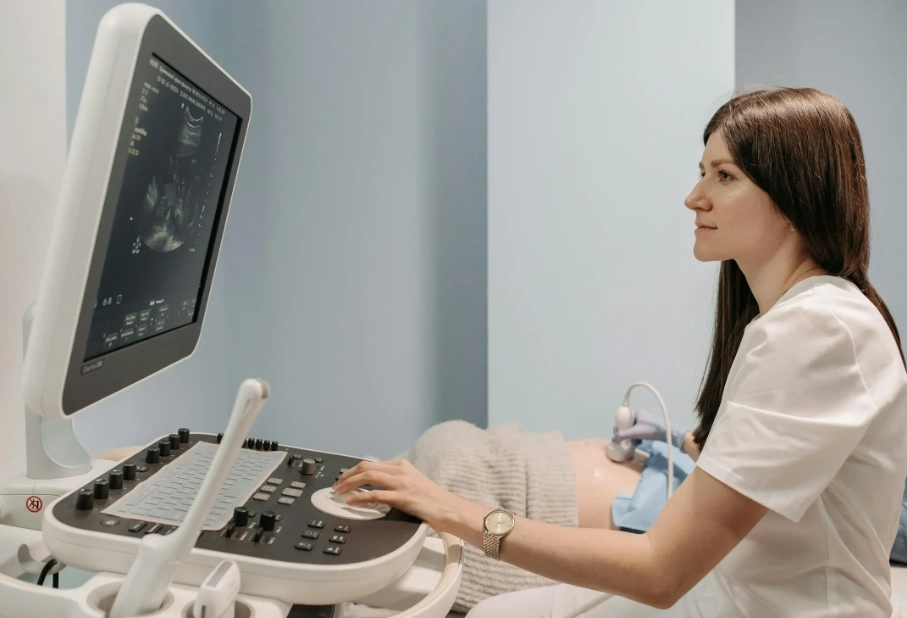
Reader Comments