Congratulations, you're pregnant. That positive test brings a tidal wave of emotions – joy, fear, excitement, and a whole lot of "what now?" I remember my first pregnancy. I spent hours online, drowning in conflicting advice about what to eat, what to avoid, and whether I could still sleep on my back. It was overwhelming.
Let's cut through the noise. This isn't just another generic list. These are the pregnancy tips for first time moms I wish someone had given me, backed by science and a decade of talking to obstetricians and new parents. We're going to cover the real stuff: from surviving the first trimester to packing a hospital bag that you'll actually use.
Your Quick Pregnancy Guide
Fueling Your Body: Nutrition You Can Actually Stick To
Forget the "eating for two" cliché. You're eating for the optimal development of one tiny human and the sustained energy of one adult. The quality matters far more than the quantity.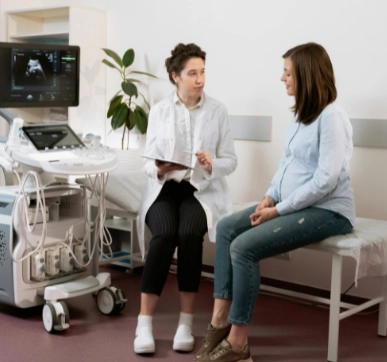
The biggest mistake I see? Obsessing over a perfect "pregnancy diet" and then feeling guilty over a slice of pizza. It's unsustainable. Focus on consistent additions, not perfection.
- Folic Acid/Folate: 600 mcg daily. This is crucial for preventing neural tube defects. Your prenatal vitamin has it, but also eat leafy greens, lentils, and avocados.
- Iron: To support increased blood volume. Pair iron-rich foods (lean red meat, spinach, fortified cereal) with vitamin C (orange juice, bell peppers) to boost absorption.
- Protein: About 70-100 grams daily. Think Greek yogurt, eggs, chicken, beans, tofu. It's building blocks for baby's tissue.
- Hydration: 8-10 glasses of water. Dehydration can trigger Braxton Hicks contractions and headaches.
Now, the infamous "avoid" list. The CDC and American College of Obstetricians and Gynecologists (ACOG) are clear on a few key things: no alcohol, no raw or undercooked meat/fish/eggs, limit high-mercury fish (like swordfish, king mackerel), and unpasteurized dairy/juices. Listeria is a real, though rare, risk.
But here's a nuanced tip nobody talks about: be wary of pre-packaged salads and deli meats from unknown sources unless you heat them until steaming. I know, it sounds extreme, but listeria outbreaks occasionally link to these. A homemade sandwich with freshly sliced turkey is lower risk than a gas station sandwich sitting for hours.
Symptom Survival Guide: More Than Just Morning Sickness
Pregnancy symptoms are a mixed bag. Some women sail through; others get hit with everything. Here’s how to handle the common ones without losing your mind.
Nausea & Vomiting (It's Not Just in the Morning)
Keep plain crackers or dry cereal by your bed. Eat a few before you even sit up. Small, frequent meals are key – an empty stomach makes nausea worse. Ginger tea, sour candies, and cold, bland foods (like applesauce) can help. If you can't keep liquids down for 12 hours, call your doctor. Prescription medication is safe and can be a lifesaver.
Overwhelming Fatigue
Your body is building a placenta and a person. It's exhausting. Listen to it. Go to bed early. Take a nap if you can. A 20-minute power nap after work saved me during the first trimester. Don't feel guilty about scaling back. This is temporary.
Heartburn and Constipation
Progesterone relaxes smooth muscle, including your digestive tract. Eat smaller meals. Avoid lying down right after eating. For constipation, up your fiber (prunes, oats, chia seeds) and water intake. A stool softener like Colace is often recommended by OBs if diet isn't enough – ask yours.
| Symptom | Quick Fix | When to Call the Doctor |
|---|---|---|
| Nausea | Eat small, bland snacks every 2 hours. Sip ginger ale. | If you can't keep any food or liquid down for 12+ hours. |
| Back Pain | Prenatal yoga, warm compresses, supportive shoes. | If pain is severe, one-sided, or accompanied by bleeding. |
| Swelling (Edema) | Elevate feet, drink water, avoid salty foods. | If swelling is sudden/severe in face/hands, or with headache. |
| Round Ligament Pain | Change positions slowly, support belly when turning. | If pain is constant, severe, or you have a fever. |
Preparing for Prenatal Appointments
Those check-ups can feel rushed. Be your own advocate. Write your questions down in your phone's notes app as they pop up during the month.
At the first appointment, expect a lot of questions about your medical history. They'll likely do a physical exam, blood work, and maybe an ultrasound to confirm dates. Don't be shy. Ask about their on-call schedule, who delivers babies if they're not available, and their philosophy on interventions.
Bring your partner or a support person. They can help remember answers and provide moral support. Take notes or ask if you can record the audio of complex explanations (just ask permission first).
The Third Trimester: Getting Ready for the Main Event
This is when it gets real. Your focus shifts from growing a baby to meeting them.
The Hospital Bag
Pack two bags: one for labor/delivery and a small one for postpartum. Pack around 36 weeks.
For you: A long phone charger, lip balm (hospitals are dry), hard candies, a comfortable robe or nightgown that opens in the front for skin-to-skin and nursing, nonslip socks, your own pillow with a dark pillowcase. Toiletries. Leave the jewelry at home.
For baby: A going-home outfit (think simple, in newborn and 0-3 month sizes – you don't know how big they'll be!), a blanket, and a properly installed car seat. The hospital provides diapers, wipes, and hats.
For partner/support: Snacks, change of clothes, swimsuit (if they plan to join in a shower or tub during labor).
Setting Up the Nursery (The Practical Way)
You don't need a Pinterest-perfect nursery the day you come home. You need a safe sleeping space. That's a bassinet or crib with a firm mattress and a fitted sheet – nothing else. No blankets, pillows, bumpers, or stuffed animals.
Set up a changing station with diapers, wipes, and cream. Have a few sleepers and swaddles washed and ready. The glider, the decor, the cute bookshelves? Those can wait until you have more energy.
Your Top Pregnancy Questions Answered
Remember, every pregnancy is different. What's easy for your friend might be hard for you, and vice versa. Trust your instincts, communicate with your healthcare team, and give yourself grace. You're learning as you go, and that's exactly how it's supposed to be.
Reader Comments