You’ve made it past the first trimester. The constant nausea might be fading, and you’re finally telling people the news. The second trimester, weeks 13 through 28, is often called the "honeymoon phase" for a reason. But what does a healthy second trimester actually look and feel like? It’s more than just feeling better. It’s a series of specific, tangible signs—some delightful, some a bit uncomfortable—that indicate your body and your baby are thriving.
Let’s cut through the generic advice. I remember with my first, I’d obsess over every twinge, wondering if it was normal. Was the back pain okay? Why weren't the kicks stronger? This guide is what I wish I’d had: a clear, evidence-backed look at the real signs of a healthy pregnancy in the second trimester, what they mean, and the few red flags you shouldn’t ignore.
What’s Inside: Your Quick Guide
The Physical Milestones: From Bumps to Kicks
This is where pregnancy gets real. You start looking pregnant, not just bloated. And you start feeling the little tenant inside.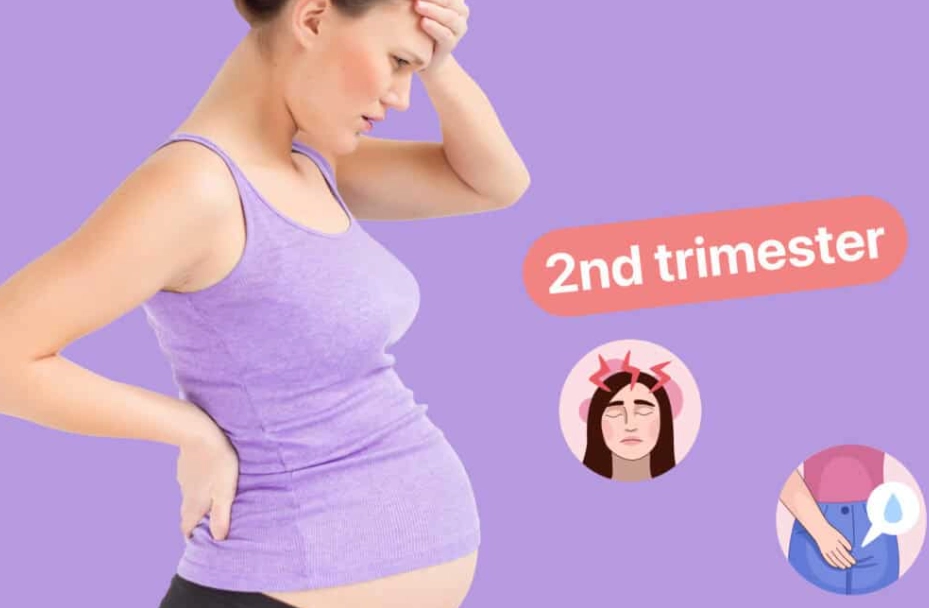
Your Growing Bump and Body
A visible, steadily growing bump is one of the most reassuring signs. By around 20 weeks, your uterus is at the level of your belly button. Your doctor or midwife will start measuring fundal height—the distance from your pubic bone to the top of your uterus. This number in centimeters often roughly corresponds to your week of pregnancy (e.g., 24 cm at 24 weeks). Consistent growth here is a strong, visual indicator of baby's growth and amniotic fluid levels.
Steady weight gain is part of this. The American College of Obstetricians and Gynecologists provides guidelines, but the pattern is key. After minimal gain in the first trimester, a gradual increase of about 1 pound per week is typical. This isn't just fat; it's baby, placenta, increased blood and fluid volume, and breast tissue.

The Magic of Fetal Movement (Quickening)
Feeling your baby move—quickening—is the headline act of the second trimester. It usually starts between 16 and 25 weeks, often described as flutters, gas bubbles, or a tiny fish swimming.
Here’s the nuance most articles miss: early movement is irregular. You might feel strong kicks one day and nothing the next. This is normal before 28 weeks. The baby is still small enough to tuck into positions where you can't feel them. The healthy sign is the presence of movement, not its perfect regularity. By 24-28 weeks, the movements should become more distinct and frequent.
Most first-time moms feel movement later, around 20-22 weeks. If you’ve been pregnant before, you might recognize those flutters as early as 16 weeks.
The Symptom Shift: What Fades and What Appears
The second trimester brings a welcome change in how you feel, but it’s not symptom-free. New sensations appear, and understanding which are healthy signs is crucial.
Energy Returns (Mostly)
A significant boost in energy compared to the first-trimester exhaustion is a classic healthy sign. Your body has adjusted to the hormonal surge, and the placenta is fully functional, taking over hormone production. You might not be running marathons, but getting through the day without a 3 PM crash is a win.
New Discomforts Emerge
Paradoxically, some new aches are signs things are progressing well:
- Round ligament pain: Sharp, brief pains in your lower abdomen or groin when you move suddenly. It’s your uterus stretching.
- Mild lower backache: Your center of gravity is shifting, and ligaments are loosening thanks to relaxin.
- Nasal congestion and nosebleeds: Increased blood flow swells mucous membranes. Annoying, but normal.
- Skin changes: The "pregnancy glow" (increased oil and blood flow), linea nigra (dark line on belly), and itchiness from stretching skin.
This table breaks down the common "good" signs versus the "check-in-with-your-doctor" signs:
| Common & Typically Healthy Signs | Signs That Warrant a Call to Your Provider |
|---|---|
| Steady uterine growth and bump appearance | No fetal movement after initially feeling it for 24+ hours |
| Feeling fetal flutters/kicks (after 20+ weeks) | Severe, persistent abdominal pain or cramping |
| Return of energy levels | Vaginal bleeding or fluid leakage |
| Mild round ligament or back pain | Severe headaches, vision changes, or sudden swelling |
| Increased vaginal discharge (leukorrhea) | Pain or burning during urination |
Tracking Progress: Appointments and Measurements
Your prenatal appointments become more substantive. Here’s what a healthy check-up looks like:
The Anatomy Scan (18-22 weeks): This is a major milestone. A healthy sign is a scan that shows normal fetal anatomy—brain, heart, spine, limbs, organs—and a placenta that’s not low-lying. Hearing "everything looks great" is the ultimate reassurance.
Vital Signs: Your blood pressure should remain in a normal range. A slight dip is common mid-pregnancy. Consistently high readings are a concern. Your provider will also check your urine for protein and sugar.
Fetal Heartbeat: Heard via Doppler at every visit. A strong, regular heartbeat between 110-160 beats per minute is a beautiful, healthy sound.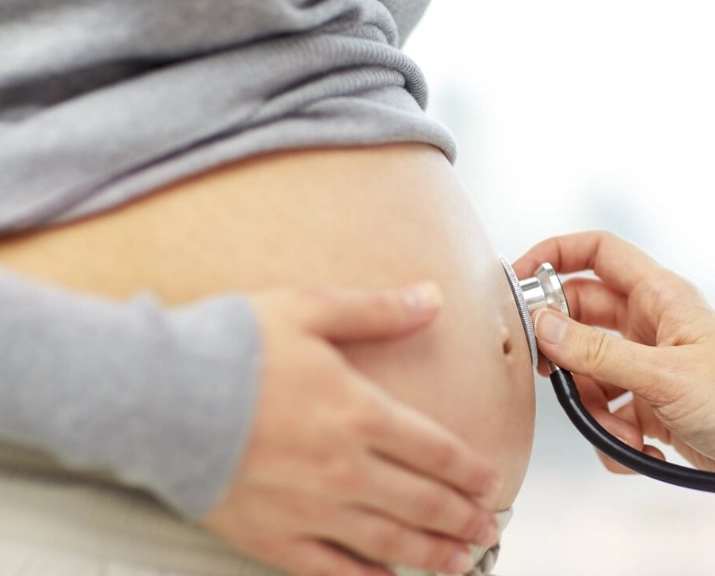
When It’s Not Normal: Signs That Need a Doctor's Call
Knowing what’s healthy also means knowing what’s not. Trust your instincts. If something feels "off," it’s better to call.
- Heavy vaginal bleeding (more than light spotting).
- Gush or steady trickle of fluid from the vagina (possible water breaking).
- Severe, constant abdominal pain or cramping.
- Sudden, severe swelling in face/hands, with headache or vision changes (signs of preeclampsia).
- No fetal movement for an extended period after you’ve been feeling it regularly.
A common pitfall I see? Women downplaying severe back pain. While mild ache is normal, intense, one-sided back pain can be a sign of a kidney infection or other issues. Don't just chalk every pain up to pregnancy.
Your Questions, Answered
The second trimester is a time of remarkable growth and connection. Listen to your body, celebrate the kicks, track the milestones with your provider, and don't hesitate to voice any concern, no matter how small it seems. That proactive partnership in your care is perhaps the healthiest sign of all.
Reader Comments