You're in the home stretch. The third trimester is rolling in with its own unique set of joys and discomforts. Maybe your mom mentioned that because you're "carrying low," it's definitely a boy. Or a friend swears her relentless heartburn meant her baby had a full head of hair... and was a boy. The internet is flooded with these old wives' tales linking specific third-trimester symptoms to having a baby boy. Let's clear the air. Most of it is folklore with zero scientific backing. But understanding what's truly happening with your baby—boy or girl—and how your body responds is far more valuable and fascinating.
What's Inside This Guide
What's Really Happening with Your Baby Boy in the 3rd Trimester?
Forget myths for a second. This is the science, and it's incredible whether you're having a boy or a girl. From weeks 28 to 40, your baby is in major finishing mode.
He's putting on about half a pound a week. That's right—the weight gain is dramatic. All that padding is crucial for temperature regulation after birth. His lungs are maturing, producing surfactant so they can expand properly for that first cry. His brain is in a massive growth spurt, developing those essential neural connections. His senses are sharpening; he can recognize your voice and may even respond to light filtered through your abdomen.
By around 36 weeks, most babies settle into a head-down position, getting ready for their grand entrance. This is often when you feel a significant shift in movement patterns—less of the sharp, jabbing kicks (there's no room!) and more rolling, stretching, and pushing sensations. It can feel like an alien is trying to rearrange your organs from the inside. I remember with my second, the movements were so pronounced my entire stomach would visibly lurch from side to side during dinner. It was equal parts amazing and slightly nauseating.
Key Takeaway: The symptoms you feel are 99% about fetal size, position, and your individual physiology, not the baby's chromosomal makeup (XY vs. XX). A 7-pound baby girl will exert the same physical pressure as a 7-pound baby boy.
The Most Common (But Unreliable) 'Boy Symptoms' in Late Pregnancy
Let's tackle the folklore head-on. These are the tales you'll hear, why they persist, and what the science actually says.
| The "Symptom" Tale | The Supposed "Boy" Sign | The Reality Check |
|---|---|---|
| Carrying Low | You're carrying all the weight out front and low. People say this means a boy. | This has everything to do with your muscle tone, abdominal shape, and the baby's position. It's a reflection of your body, not the baby's sex. A first-time mom with strong abs often carries higher, regardless of gender. |
| Less Morning Sickness / Feeling Great | The myth says boys cause less nausea, so if you had an easy first trimester or feel energetic now, it's a boy. | Nausea is linked to pregnancy hormone hCG levels, which vary wildly between women. Some studies, like one often referenced by the American Pregnancy Association, even suggest severe nausea (hyperemesis) is more common with girls. Feeling okay in the third trimester is rare for anyone, boy or girl! |
| Fetal Heart Rate Below 140 BPM | A slower heart rate indicates a boy. | Fetal heart rate naturally decreases as the pregnancy progresses. A 2018 study in Fetal Diagnosis and Therapy found no significant difference in heart rate between sexes in the third trimester. It's an old tale that just won't die. |
| Craving Salty & Savory Foods | Wanting chips and pickles over chocolate? That's a boy craving. | Cravings are mysterious and likely related to nutritional needs or hormonal fluctuations. There is no credible research linking specific food desires to fetal sex. This one is purely cultural storytelling. |
The biggest mistake I see? Parents clinging to these signs after a 20-week ultrasound has already shown the gender. They create a narrative in hindsight. "Oh, I am carrying low, the ultrasound was right!" It's confirmation bias, plain and simple.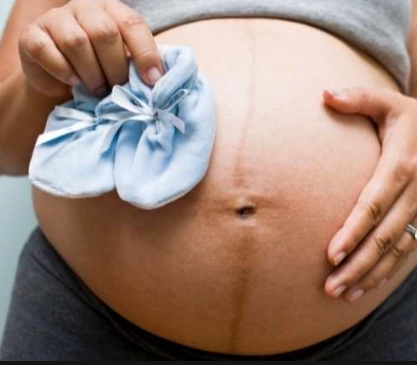
The Real Maternal Symptoms: It's Not the Baby, It's the Pregnancy
So what are you actually feeling, and why? Let's break down the universal third-trimester experience.
Increased Pressure and Pelvic Discomfort
As the baby drops (engages) into your pelvis, the pressure on your bladder, rectum, and pelvic floor intensifies. You'll be waddling, feeling like the baby might "fall out," and making even more trips to the bathroom. This happens with all babies once they engage. The sensation is directly related to the size and position of the fetal head, not whether it's a boy or girl.
Changes in Fetal Movement Patterns
This worries a lot of moms. The movements don't stop, but they change. You'll feel more rolls, stretches, and hiccups. Sharp kicks to the ribs might be replaced by persistent pressure under your ribs as the baby runs out of room. The key is knowing your baby's normal pattern. Any drastic, persistent decrease in movement is a red flag requiring an immediate call to your provider—full stop. Don't brush it off as "maybe it's a boy thing."
Braxton Hicks Contractions
These "practice" contractions become more frequent and noticeable. They're your uterus toning up for the main event. Some women barely feel them; others have them regularly for weeks. Their intensity and frequency have no known link to fetal sex.
Generalized Aches, Fatigue, and Swelling
Your body is carrying 25-35 extra pounds, your blood volume has increased by nearly 50%, and your joints are looser due to the hormone relaxin. Back pain, sciatica, swollen ankles, and sheer exhaustion are the norm. It's a monumental physical task. Blaming it on the baby being a boy lets the real star—your hard-working body—off the hook!
How to Navigate the Final Weeks with Confidence
Instead of symptom-spotting for gender, focus on these actionable steps for a healthier, more comfortable finish line.
Track movements, not tales. Use a kick count app or just be mindful. Pick a consistent time each day (often after a meal or when lying down) and note how long it takes to feel 10 distinct movements. A change in this pattern is what matters.
Communicate everything to your provider. Don't self-diagnose based on an old wives' tale. Mention your pelvic pain, your swelling, your sleep troubles. They're there to help manage the very real symptoms of late pregnancy.
Prepare practically. Your energy is limited. Use it to install the car seat, pack your hospital bag, and freeze some meals. These tasks are infinitely more useful than analyzing the shape of your belly in the mirror.
Rest, but strategically. Sleep might be elusive. Focus on quality rest: side-sleeping with pillows between your knees, warm baths before bed, and putting your feet up during the day to reduce swelling.
Your Real Questions, Answered

The final weeks of pregnancy are about meeting your baby, not decoding unreliable signs. The suspense of not knowing the gender can make these tales tempting, but they add unnecessary noise. Your energy is better spent listening to your body, communicating with your healthcare team, and preparing for the incredible person about to join your family—whether they're a boy, a girl, or a wonderful surprise.
Reader Comments